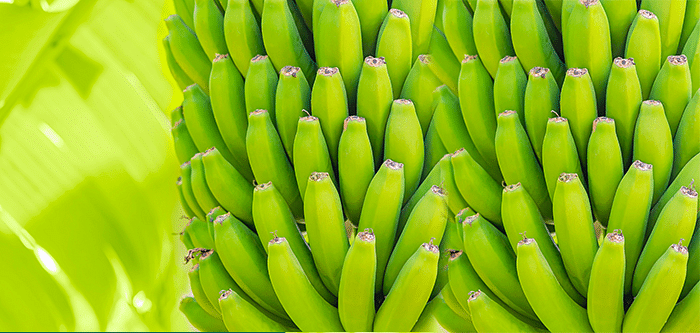
Most people wait for their bananas to turn yellow and sweet before eating them, but what if we told you that green bananas might be even more beneficial for your health? Often overlooked in favor of their ripe counterparts, green bananas (also called raw bananas or kaccha kela) are a nutritional powerhouse that deserves a permanent spot in your kitchen.

In this comprehensive guide, we'll explore everything you need to know about green bananas, including their health benefits, how they compare to ripe bananas, delicious recipes you can try at home, and expert tips for incorporating them into your diet.
What Are Green Bananas?
Green bananas are bananas that are harvested before they ripen. Green bananas are firm, starchy, and packed with resistant starch (a unique type of carbohydrate that acts more like fiber in your body). As bananas ripen and turn yellow, their starch content converts into natural sugars. This change significantly affects how the body digests and absorbs nutrients. They have been a staple ingredient in Indian cuisine for generations, appearing in curries, stir-fries, and traditional dishes across different regions. Beyond their culinary versatility, green bananas offer remarkable health benefits ranging from blood sugar control to gut health support.
Complete Nutritional Profile of Green Bananas
Understanding what's inside green bananas helps you appreciate their health benefits and make informed dietary choices.
Nutritional Value Per 100g (Approximately 1 Medium Green Banana)
|
Nutrient
|
Amount
|
|
Calories
|
89 kcal
|
|
Carbohydrates
|
22.8g
|
|
Protein
|
1.1g
|
|
Total Fat
|
0.3g
|
|
Dietary Fiber
|
2.6g
|
|
Resistant Starch
|
15-20g
|
|
Potassium
|
499mg
|
|
Vitamin B6
|
0.4mg
|
|
Vitamin C
|
8.7mg
|
|
Magnesium
|
27mg
|
|
Phosphorus
|
22mg
|
|
Folate
|
20mcg
|
|
Manganese
|
0.3mg
|
Green Banana vs Yellow Banana: Understanding the Difference
The ripeness of a banana dramatically changes its nutritional composition, taste, and health benefits. Understanding these differences helps you choose the right banana for your specific health goals.
Nutritional Comparison Table
|
Aspect
|
Green Banana (Unripe)
|
Yellow Banana (Ripe)
|
|
Sugar Content
|
Low (5-6g per 100g)
|
High (14-15g per 100g)
|
|
Glycemic Index
|
30-35 (Low)
|
51-58 (Medium)
|
|
Resistant Starch
|
High (15-20g per 100g)
|
Low (1-2g per 100g)
|
|
Dietary Fibre
|
2.6g per 100g
|
2.1g per 100g
|
|
Calories
|
89 kcal per 100g
|
96 kcal per 100g
|
|
Digestibility
|
Harder (needs cooking)
|
Easier (ready to eat)
|
|
Taste
|
Bland, starchy, neutral
|
Sweet, creamy
|
|
Antioxidants
|
Lower
|
Higher (increases with ripening)
|
|
Vitamin C
|
Similar levels
|
Similar levels
|
|
Best For
|
Diabetes, weight loss, gut health
|
Quick energy, easy digestion, immunity
|
*Values are approximate and may vary based on banana variety and size.
When to Choose Green Bananas:
- Managing diabetes or prediabetes
- Trying to lose weight or control appetite
- Improving gut health and feeding beneficial bacteria
- Need sustained energy without blood sugar spikes
- Cooking savory dishes that require firm texture
When to Choose Ripe Bananas:
- Need quick, easily digestible energy
- Prefer sweet taste for smoothies or snacking
- Want higher antioxidant content
- Have sensitive digestion
- Need portable, no-preparation fruit option
Green Banana Benefits
1. Controls Blood Sugar for Diabetics
Green bananas are one of the best fruit choices for people managing diabetes or trying to prevent it. With a glycemic index of only 30, they cause minimal impact on blood sugar levels compared to most other fruits and carbohydrate sources.
They are rich in resistant starch, a type of carbohydrate that digests slowly and slows down glucose absorption. Research suggests that diets containing resistant starch may help improve insulin sensitivity, allowing the body to use insulin more effectively.
How it works: When cooked green bananas are eaten, much of the resistant starch passes through the small intestine without breaking down into glucose. As a result, less sugar enters the bloodstream at once, helping support more stable blood sugar levels throughout the day.
Green bananas can be a helpful addition to a balanced diet for people managing blood sugar levels, but portion control and medical advice remain important.
2. Supports Gut Health and Digestive Function
Green bananas are a prebiotic superfood that nourishes the beneficial bacteria living in your gut. The resistant starch acts as fuel for these good bacteria, helping them multiply and thrive.
When resistant starch reaches the large intestine, it is fermented by gut bacteria. This process produces short-chain fatty acids, including butyrate, which support the health of the intestinal lining and contribute to normal digestive and immune function. A balanced gut microbiome is also linked to better nutrient absorption and overall well-being.
Digestive benefits may include:
- Feeds beneficial bacteria like Bifidobacteria and Lactobacilli
- Improves bowel regularity and prevents constipation
- Reduces inflammation in the digestive tract
- May help manage symptoms of inflammatory bowel conditions
- Strengthens the gut barrier, preventing leaky gut syndrome
- Produces compounds that protect colon health
How to support gut health with green bananas: Eat cooked green bananas regularly (3 to 4 times per week) as part of a varied diet rich in different prebiotic foods. Combine with fermented foods like yogurt, buttermilk, or pickles for synergistic effects.
Caution: People with sensitive digestion, irritable bowel syndrome (IBS), or similar conditions should introduce green bananas gradually. Resistant starch may cause temporary bloating or gas in some individuals, especially when eaten in large amounts.
3. May Support Weight Management
The resistant starch and fibre in green bananas increase satiety, helping you feel full for longer periods. This can reduce frequent snacking and support calorie control as part of a structured diet.
Green bananas are not a weight-loss food on their own, but they can support better eating habits.
4. Heart Health Protection Through Potassium
Green bananas are remarkably rich in potassium, providing approximately 500 milligrams per 100-gram serving. Potassium is a crucial mineral that helps regulate blood pressure by counteracting the negative effects of sodium in your diet.
High potassium intake has been consistently linked to lower risk of stroke, reduced blood pressure in people with hypertension, and overall cardiovascular protection. The mineral helps relax blood vessel walls, improving blood flow and reducing strain on your heart.
5. Improved Nutrient Absorption and Metabolism
Green bananas are rich in vitamin B6, providing approximately 20% of your daily requirement in just one banana. Vitamin B6 plays crucial roles in over 100 enzyme reactions in your body, particularly those involved in protein metabolism and nutrient absorption.
6. Provides Steady Energy Release
Unlike simple carbohydrates that provide quick energy followed by crashes, green bananas deliver steady, sustained energy that lasts for hours. This makes them an excellent pre-workout or mid-day energy food.
The resistant starch and complex carbohydrates in green bananas are digested slowly and gradually, providing a consistent release of glucose into your bloodstream. This prevents the energy highs and lows associated with sugary snacks and refined carbohydrates.
Building healthier habits? FITPASS nutritionists can help you create sustainable eating patterns that include appetite-controlling foods like green bananas while ensuring you meet all your nutritional needs.
How to Eat Green Bananas
Green bananas are rarely eaten raw because of their firm texture and starchy taste. They are usually cooked before consumption. Cooking improves digestibility and taste.
Common ways to eat green bananas include:
- Boiling and seasoning them as a side dish
- Adding them to vegetable curries
- Steaming and mashing them like potatoes
- Using green banana flour in baking or cooking
Green Banana Flour: A Functional Alternative
Green banana flour is made by peeling unripe green bananas, slicing them thinly, drying them at low temperatures, and then grinding the dried slices into a fine powder. The entire process preserves the resistant starch and nutrients while creating a versatile flour with a mild, neutral taste.
Unlike wheat flour, green banana flour is naturally gluten-free, grain-free, and suitable for paleo and gluten-free diets. It has been used in tropical regions for decades and is now becoming mainstream due to its impressive nutritional profile.
Nutritional Benefits of Green Banana Flour
|
Nutrient
|
Amount
|
|
Calories
|
346 kcal
|
|
Carbohydrates
|
88 g
|
|
Resistant Starch
|
45-50 g
|
|
Protein
|
3.5 g
|
|
Total Fat
|
0.8 g
|
|
Dietary Fibre
|
14-15 g
|
|
Potassium
|
1,200 mg
|
|
Vitamin B6
|
0.6 mg
|
|
Magnesium
|
74 mg
|
*Values are approximate and may vary based on processing and banana variety.
Key advantages over wheat flour:
- 3x more dietary fiber
- Much higher resistant starch content
- Lower glycemic index (around 40 vs 70+ for wheat)
- Naturally gluten-free
- Higher potassium and magnesium content
- Prebiotic benefits for gut health
Who Should Eat Green Bananas
- People with Diabetes or Prediabetes: Low glycemic index and high resistant starch help manage blood sugar effectively.
- Weight Loss Seekers: High fiber and satiety factor support calorie reduction without hunger.
- Those with Digestive Issues: Prebiotic properties support gut health and regular bowel movements (when properly cooked).
- Heart Health Management: High potassium helps regulate blood pressure naturally.
- Athletes and Active Individuals: Provides sustained energy for workouts and physical activities.
- People Following Gluten-Free Diets: Green banana flour offers a nutritious alternative to wheat.
- Anyone Seeking Gut Health: Resistant starch feeds beneficial bacteria and improves microbiome diversity.
Who Should Avoid Green bananas
- People with Kidney Disease: High potassium content may not be suitable for those with impaired kidney function. Always consult your doctor first.
- Those Taking Beta-Blockers: These medications can increase potassium levels, and additional dietary potassium from green bananas may cause complications.
- People with IBS or SIBO: The resistant starch may cause gas, bloating, and discomfort in people with sensitive digestive systems. Introduce very gradually in tiny portions.
- Those with Latex Allergy: Green bananas contain proteins similar to latex and may trigger allergic reactions in latex-sensitive individuals.
- Children Under 1 Year: Green bananas are harder to digest and not recommended for infants.
Possible Side Effects and How to Minimize Them
1. Gas and Bloating: The resistant starch ferments in your colon, which can initially cause gas. Start with small portions (50g) and gradually increase over 2-3 weeks.
2. Constipation: If consumed without adequate water intake, the high fiber can cause constipation. Drink 8-10 glasses of water daily when eating green bananas regularly.
3. Digestive Discomfort: Some people experience stomach cramps or discomfort. Always cook green bananas thoroughly, never eat them raw.
4. Nutrient Absorption: Very high resistant starch intake may interfere with absorption of some minerals. Consume in moderation (3 to 4 times per week) as part of a varied diet.
Conclusion: Making Green Bananas Part of Your Healthy Lifestyle
Green bananas are a true superfood that deserves recognition beyond their more popular ripe counterparts. With exceptional blood sugar control properties, powerful gut health benefits, effective weight management support, and impressive nutritional content, green bananas offer unique advantages that few other foods can match.
The high resistant starch content makes green bananas particularly valuable in today's world where diabetes, obesity, and digestive issues are increasingly common. By simply including cooked green bananas in your meals 3-4 times per week, you can support your health goals while enjoying delicious, versatile dishes from various regional cuisines.
Whether you're preparing a traditional North Indian curry, a South Indian stir-fry, Bengali cutlets, or experimenting with green banana flour in baking, this humble ingredient proves that powerful nutrition doesn't need to be complicated or expensive.