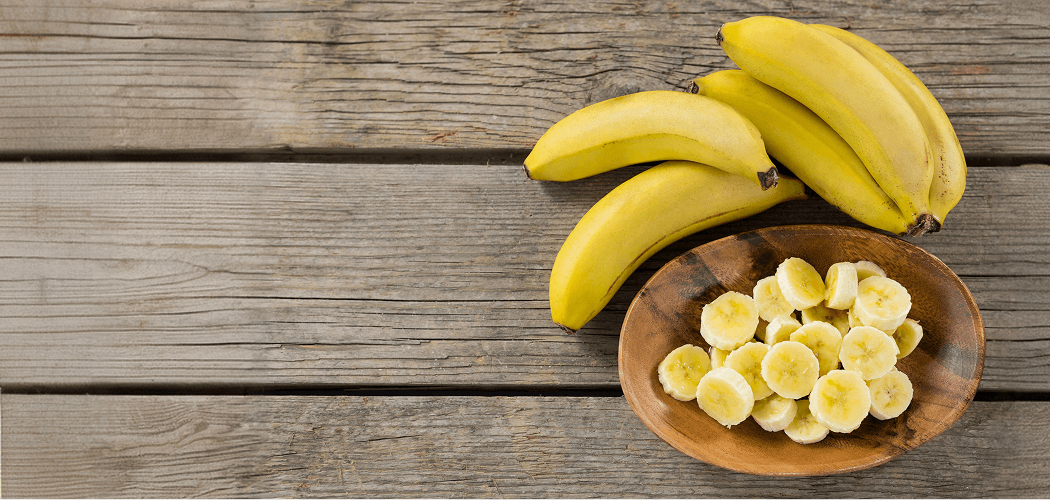
Bananas are so common in Indian households that they are often overlooked. Found on breakfast tables, offered at temples, packed into gym bags, or blended into smoothies, bananas are one of the most widely consumed fruits in the country. Yet, behind their familiar yellow peel lies a surprisingly powerful nutritional profile.
One medium banana (118g) provides 105 calories, 422mg of potassium (12% daily value), and 3g of fiber, making it one of the most nutritious and convenient fruits for active lifestyles. But there's more to this humble yellow fruit than meets the eye. Rich in vitamin B6, manganese, natural sugars, and a host of other micronutrients, bananas deliver quick energy while supporting heart health, digestive function, and post-workout recovery.

From supporting heart health to aiding digestion and fueling workouts, bananas deliver a combination of essential vitamins and minerals that quietly contribute to everyday well-being. Nutrition experts often describe bananas as “nature’s energy bar” - simple, portable, and nutrient-rich.
This article takes a deep look at the vitamins and minerals present in bananas, how they function in the body, and why bananas deserve a regular place in a balanced diet, especially for active and fitness-focused individuals.
The Complete Nutritional Profile: What's Really Inside a Banana?
When you peel back the yellow skin, you're unlocking a powerhouse of essential nutrients carefully packaged by nature. Here's the complete nutritional breakdown for one medium banana (118g):
Macronutrients and Energy
|
Nutrient
|
Amount per Medium Banana (118g)
|
% Daily Value
|
What It Means for You
|
|
Calories
|
105 kcal
|
5%
|
Low-calorie snack perfect for weight management
|
|
Carbohydrates
|
27g
|
9%
|
Primary energy source for brain and muscles
|
|
Natural Sugars
|
14.4g
|
-
|
Quick energy without added/processed sugars
|
|
Dietary Fiber
|
3.1g
|
11%
|
Supports digestion and sustained satiety
|
|
Protein
|
1.3g
|
3%
|
Minimal protein; pair with yogurt or nuts
|
|
Fat
|
0.4g
|
<1%
|
Virtually fat-free fruit option
|

Micronutrients: Vitamins and Minerals
|
Nutrient
|
Amount
|
% Daily Value
|
Key Function
|
|
Potassium
|
422mg
|
12%
|
Heart health, blood pressure regulation, muscle function
|
|
Vitamin B6
|
0.433mg
|
25%
|
Brain development, immune function, protein metabolism
|
|
Vitamin C
|
10.3mg
|
11%
|
Antioxidant protection, immune support, collagen production
|
|
Manganese
|
0.319mg
|
14%
|
Bone health, antioxidant defense, metabolism
|
|
Magnesium
|
32mg
|
8%
|
Muscle relaxation, energy production, nerve function
|
|
Folate (B9)
|
24mcg
|
6%
|
DNA synthesis, red blood cell formation, pregnancy support
|
|
Riboflavin (B2)
|
0.086mg
|
7%
|
Energy production, cell function
|
|
Niacin (B3)
|
0.785mg
|
5%
|
Cholesterol management, skin health
|
|
Copper
|
0.092mg
|
10%
|
Iron absorption, nerve function
|
|
Vitamin A
|
76 IU
|
2%
|
Vision support, immune health
|
*Values based on a 2,000 calorie diet
Understanding Banana Carbohydrates: The Starch-to-Sugar Story
Not all banana carbohydrates are created equal, and understanding this can help you optimize when and how you eat them. Here's what happens as bananas ripen:
|
Ripeness Stage
|
Resistant Starch
|
Natural Sugars
|
Glycemic Index
|
Best For
|
|
Green/Unripe Banana
|
12-15g (High)
|
2-3g (Low)
|
30 (Low)
|
Blood sugar control, gut health, feeling fuller longer
|
|
Yellow/Slightly Green Tips
|
5-8g (Moderate)
|
8-10g (Moderate)
|
51 (Medium)
|
Balanced energy, general health, daily consumption
|
|
Yellow/Brown Spots
|
1-2g (Low)
|
15-17g (High)
|
60+ (High)
|
Quick energy, easier digestion, post-workout recovery
|
|
Fully Brown
|
<1g (Very Low)
|
18-20g (Very High)
|
65+ (High)
|
Maximum sweetness, smoothies, baking
|
This transformation happens because enzymes break down complex starches into simple sugars as the fruit ripens.
Vitamins Found in Bananas and Their Health Benefits
Bananas contain several important vitamins that support metabolic, neurological, and immune functions.
1. Vitamin B6 – The Energy & Brain Vitamin
Bananas are an excellent source of vitamin B6, providing 25% of your daily requirement in one fruit. This vitamin supports brain development during pregnancy, converting food into usable energy, helps produce antibodies to fight infections, and aids in protein metabolism. Vitamin B6 is easily absorbed from bananas, making them an ideal dietary source.
2. Vitamin C – Immunity and Recovery Support
With 10.3mg per medium banana (11% DV), this antioxidant vitamin supports immune function, protects cells from oxidative damage, and promotes collagen production for healthy skin and blood vessels. While not as high as citrus fruits, bananas contribute meaningfully to your daily vitamin C intake.
3. Folate (Vitamin B9)
Bananas provide 6% of daily folate needs, essential for DNA synthesis, cell division, and red blood cell formation. This makes bananas particularly beneficial during pregnancy when folate requirements increase.
4. Other Vitamins in Smaller Quantities
Bananas also provide trace amounts of:
- Vitamin A - supports eye health
- Vitamin E - antioxidant protection
- Vitamin K - supports blood clotting
Individually these amounts are small, but collectively they enhance the fruit’s overall nutritional value.
Essential Minerals Present in Bananas
Minerals are where bananas truly shine. These nutrients are critical for heart function, muscle movement, hydration, and bone health.
1. Potassium - The Heart & Muscle Protector
The most notable mineral in bananas is potassium at 422-450mg per medium fruit.
Why potassium matters:
- Helps regulate blood pressure
- Maintains heart rhythm
- Prevents muscle cramps
- Balances fluids and electrolytes
A single banana provides around 9% of the daily potassium requirement, making it especially useful for people who sweat during workouts or live in hot climates.
2. Magnesium for Muscle Recovery and Relaxation
Bananas provide approximately 32 mg of magnesium per serving (about 8% of the daily value), making them a valuable contributor to muscle relaxation, energy production, and healthy nervous system function. Magnesium is involved in over 300 enzymatic reactions in the body, highlighting its essential role in maintaining metabolic and physiological balance.
For physically active individuals, magnesium helps relax muscles after exercise, supports efficient nerve signalling, and reduces post-workout soreness and fatigue. It also contributes to better sleep quality and stronger bones, both of which are critical for effective recovery and long-term fitness performance.
By working synergistically with potassium, magnesium supports optimal cardiovascular health, making bananas a smart, natural choice for those looking to fuel workouts, recover efficiently, and maintain overall heart and muscle function.
3. Manganese
Bananas provide approximately 14% of the daily manganese requirement, making them a meaningful natural source of this essential trace mineral. Manganese plays a vital role in energy metabolism, helping the body efficiently metabolise carbohydrates and fats to support daily activity and physical performance.
In addition to its metabolic role, manganese contributes to bone formation and skeletal strength, supporting long-term bone health. It also acts as a key antioxidant co-factor, activating enzymes that protect cells from free radical damage and oxidative stress caused by exercise, pollution, and normal metabolic processes.
Although needed only in small amounts, manganese has a significant impact on overall health, supporting metabolic efficiency, cellular protection, and strong bones when consumed regularly as part of a balanced diet.
Health Benefits of Eating Bananas
Thanks to their rich mix of vitamins, minerals, fibre, and natural carbohydrates, bananas offer a wide range of health benefits when consumed regularly. From supporting heart health and digestion to providing instant energy and muscle recovery, bananas fit easily into both everyday diets and active lifestyles.
The potassium and magnesium content helps maintain healthy blood pressure and muscle function, while fibre and resistant starch support gut health and satiety. Their natural sugars make bananas a reliable source of quick, sustained energy, especially useful before or after workouts.
👉 To explore these benefits in detail including heart health, weight management, digestion, and fitness performance, read our full guide on Health Benefits of Eating Bananas Regularly .
Green Bananas vs Ripe Bananas: What’s the Difference?
|
Feature
|
Green Banana
|
Ripe Banana
|
|
Sugar content
|
Low
|
Higher
|
|
Resistant starch
|
High
|
Lower
|
|
Digestion speed
|
Slower
|
Faster
|
|
Best for
|
Blood sugar control, gut health
|
Instant energy, workouts
|
Practical tip:
- Choose green bananas if you want better blood sugar stability
- Choose ripe bananas for quick energy before or after exercise
Simple Ways to Include Bananas in a Healthy Diet
Bananas are one of the easiest and most versatile fruits to add to your daily meals. Here are the simplest ways to enjoy them:
Quick Breakfast Options
- Banana Shake - The fastest option is blending one banana with milk and ice cubes for a 2-minute nutritious breakfast. You can add peanut butter for protein, oats for sustained energy, or cocoa powder for chocolate flavor.
- Add to Cereal or Oatmeal - Simply slice a banana over your breakfast bowl for natural sweetness without added sugar.
- Banana Toast - Spread peanut butter on whole wheat bread and top with banana slices for a balanced 3-minute meal.
- Banana Pancakes - Mash one banana with two eggs to make simple 2-ingredient pancakes that are naturally sweet and protein-rich.
Easy Snacks Throughout the Day
- Eat Plain - The simplest method-just peel and eat. Bananas need no preparation, washing, or refrigeration, making them perfect for keeping in your bag or desk drawer.
- Banana with Nuts - Pair a banana with a handful of almonds or walnuts for sustained energy and satisfaction.
- Banana Yogurt - Mix sliced banana into yogurt or curd with a drizzle of honey for a protein-packed snack.
For Exercise and Fitness
- Pre-Workout - Eat a banana or drink a banana shake 30-60 minutes before exercise for quick energy and to prevent muscle cramps.
- Post-Workout - Blend banana with protein powder and milk within 30 minutes after training to support muscle recovery and replenish energy stores.
Healthy Desserts
- Banana "Ice Cream" - Freeze banana slices for 2 hours, then blend until smooth for a creamy, naturally sweet dessert with no added sugar.
- Banana Milkshake - Blend banana with cold milk and extra ice for a thick, frothy treat that satisfies sweet cravings naturally.
- Baked Banana - Cut lengthwise, sprinkle with cinnamon, and bake for 10 minutes for a warm, caramelized dessert.
How to Select and Store Bananas
Choose bananas based on when you'll eat them: green-tipped for later in the week, yellow for immediate consumption, and spotted for sweetest flavor and easier digestion. Store at room temperature until ripe, then refrigerate to slow ripening (the peel may darken but the fruit inside remains fresh for 3-5 days).

Final Thoughts: Making Bananas a Daily Habit
Bananas represent the rare intersection of optimal nutrition, affordability, convenience, and accessibility. For ₹40-60 per dozen, you gain access to a food that supports heart health, digestive function, exercise performance, blood sugar control, and overall vitality.
Whether you're a student preparing for exams who needs sustained mental energy, a working professional managing stress and irregular schedules, a fitness enthusiast optimizing performance and recovery, or a parent seeking healthy options for your family, bananas offer practical solutions to real nutritional challenges.
The beauty of bananas lies not in exotic nutrients or trendy health claims, but in delivering consistent, reliable nutrition that your body recognizes, processes efficiently, and uses effectively. They're not a miracle food, nor do they need to be, they're simply an exceptionally well-rounded, accessible fruit that deserves its place as a daily dietary staple.