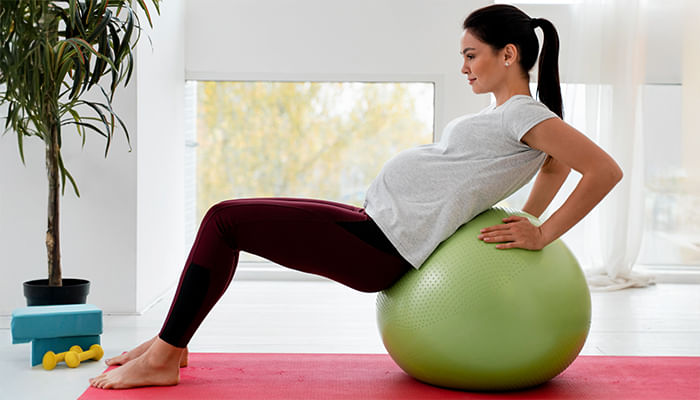
Staying active during pregnancy can be one of the most empowering and beneficial decisions an expecting mother can make. While the journey of motherhood is filled with physical, emotional, and hormonal changes, following a well-rounded pregnancy fitness plan can support both maternal and baby health. Fit pregnancy doesn’t mean high-intensity workouts or strict routines; it’s about listening to your body, embracing movement, and maintaining overall well-being through each trimester.
Whether you're new to fitness or already active, this guide offers essential healthy pregnancy tips, safe workouts during pregnancy, and practical advice on pregnancy nutrition and fitness. Let’s explore how exercising while pregnant can contribute to a healthier, happier pregnancy for both you and your baby.
- Regular, safe workouts during pregnancy are linked to improved physical and mental health outcomes for both mother and baby.
- Prenatal workouts can reduce the risk of gestational diabetes, improve sleep, and support easier labour.
- Each trimester calls for specific fitness adjustments to accommodate bodily changes and energy levels.
- Pregnancy nutrition and fitness go hand in hand; what you eat can directly impact your baby’s development and your ability to stay active.
- Postpartum fitness and recovery are just as important and should be approached gently with professional guidance.
The idea that pregnant women should "rest more and move less" is increasingly outdated. In fact, research published in the British Journal of Sports Medicine suggests that pregnancy fitness can significantly reduce the risk of complications such as preeclampsia and gestational diabetes. Additionally, babies born to active mothers often have healthier birth weights and improved brain development.
A fit pregnancy supports:
- Lower back pain relief.
- Better sleep patterns.
- Boosted mood and reduced anxiety.
- Quicker postpartum recovery.
- Improved endurance for labour.
In short, staying active while pregnant isn’t just about weight management; it’s about building stamina, promoting hormonal balance, and enhancing the quality of life for both mum and baby.
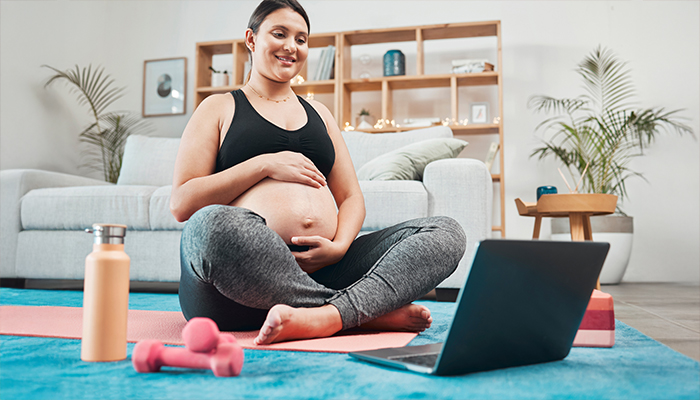
Your pregnancy journey is divided into three key stages, each with its own set of physical changes. Trimester-specific workouts allow you to adjust your fitness routine accordingly and safely.
Most women feel fatigue and nausea during the first trimester. While it’s okay to take it easy, gentle movement can help combat fatigue and improve circulation.
Recommended prenatal workouts:
- Prenatal yoga exercises to ease nausea and promote mental calm.
- Brisk walking for 20-30 minutes.
- Low-impact Pilates for core stability.
Tip: Stay hydrated and avoid overheating. Keep workouts light to moderate.
Often called the “honeymoon phase” of pregnancy, the second trimester brings renewed energy. This is a great time to maintain strength and flexibility.
Safe workouts during pregnancy (second trimester):
- Light resistance training with dumbbells or resistance bands.
- Swimming reduces joint pressure and body weight strain.
- Stationary cycling.
According to a study in the Journal of Physiotherapy, moderate-intensity workouts in the second trimester improve maternal cardiovascular health without negatively affecting foetal development.
As the due date approaches, workouts should be gentler and more focused on breathing, flexibility and mental relaxation.
Recommended movements:
- Deep squats to prepare the pelvic area.
- Light stretching and prenatal yoga exercises.
- Pelvic tilts and kegels for core and pelvic floor strengthening.
Fit mum pregnancy tips: Listen to your body. If a workout causes discomfort, stop immediately. Always consult your healthcare provider before starting or continuing any exercise routine.
It's not just about movement, it's about empowerment. Here are scientifically supported benefits of exercise during pregnancy:

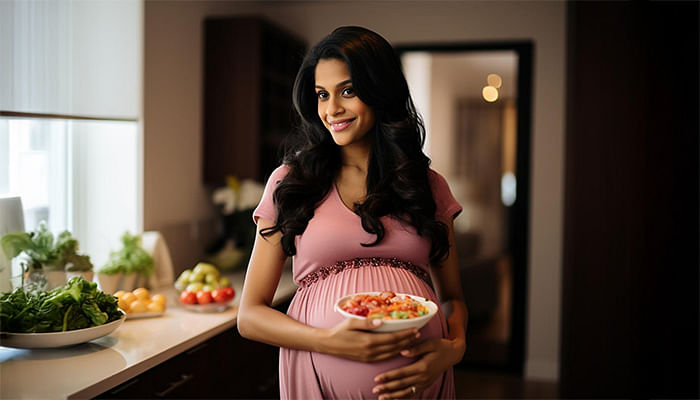
Pregnancy nutrition and fitness must go hand in hand. While you don’t need to eat for two, you need nutrient-dense food that supports both energy and growth.
Nutrition tips:
- Focus on protein (lean meats, lentils, eggs) to support muscle repair.
- Include folate-rich foods like leafy greens and fortified cereals.
- Choose whole grains for steady energy.
- Stay hydrated with at least 2–3 litres of water per day.
Avoid high-sugar and highly processed foods; they sap energy and can affect your ability to stay active.
- Get clearance from your doctor before beginning any new fitness routine.
- Invest in a good sports bra and supportive shoes.
- Warm up and cool down properly.
- Monitor your breathing. If you’re too breathless to talk, slow down.
- Exercises that involve lying flat on your back after the first trimester.
- High-impact workouts like jumping or contact sports.
- Hot yoga or exercising in extreme heat.
- Any activity that risks falling (e.g., outdoor cycling, skiing).
Motivation may come and go, especially with fatigue, discomfort, or mood swings. But consistency, even in small amounts, makes a big difference.
Fit mum pregnancy tips for staying motivated:
- Schedule short 15-minute movement breaks if long workouts feel overwhelming.
- Try group prenatal workouts or virtual classes to build accountability.
- Create a calming playlist for your walks or stretches.
- Track your progress with a pregnancy fitness journal.
Remember, it’s not about perfection; it’s about intention.

Once the baby arrives, your focus will shift, but your well-being remains a priority. Recovery is a gradual journey.
- Start with breath work and pelvic floor exercises (as early as one week postpartum, with medical approval).
- Slowly reintroduce light walking and stretching.
- Prioritise rest and hydration to support breastfeeding and healing.
- Avoid intense workouts for the first 6–8 weeks.
You may feel pressure to "bounce back," but true recovery respects your body’s pace. Consult your gynaecologist before resuming more rigorous routines.
Physical fitness is just one aspect. Movement supports emotional resilience, promotes better sleep, reduces anxiety, and increases confidence in your changing body.
Prenatal yoga exercises are particularly beneficial for strengthening the mind-body connection. Deep breathing, meditation, and gentle poses not only improve flexibility but also prepare you mentally for labour and motherhood.
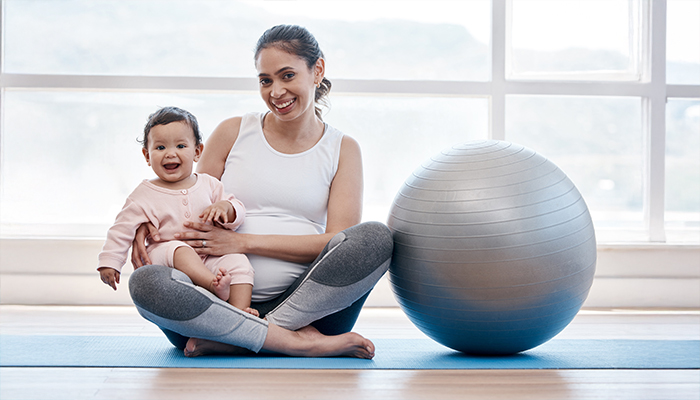
While the focus is often on the mother’s well-being, baby health and maternal fitness are closely linked. A healthier pregnancy environment boosts foetal development, improves placental function, and may even lead to better metabolic outcomes for your baby.
Emerging research also hints at a correlation between maternal exercise and improved cognitive function in infants. Simply put, your baby benefits when you move.
Pregnancy is not the time to push physical boundaries, but it’s certainly not a time to stop moving. A fit pregnancy involves intentional movement, mindful eating, and a deep respect for your body’s changing needs. Whether through prenatal workouts, trimester-specific routines, or gentle yoga classes, staying active is one of the best gifts you can give yourself and your baby.
With the right support, tools, and mindset, you can embrace this incredible journey feeling strong, confident, and connected. Here’s to a healthy pregnancy, empowered motherhood, and a joyful beginning for your little one.