Loading...
LOG IN
HOME
BROWSE STUDIOS
FITCOACH
FITFEAST
FITPASS-TV
FITNESS ACTIVITIES
BLOGS
CORPORATE-WELLNESS
LOG IN
Download Now
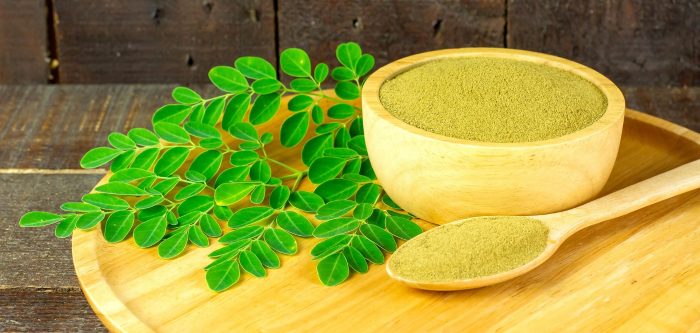
Meet Moringa: The Miracle Plant and Its Incredible Nutritional Profile
Last Updated on: 13th Nov, 2025
Meet Moringa: The Miracle Plant and Its Incredible Nutritional Profile
Last Updated on: 13th Nov, 2025
Share this article
Tags
Written By

FITPASS Editorial Team
Content Writer
The writers, storytellers and day-dreamers - making sure that they pen down their thoughts in the best possible manner. With an expertise in writing for Health & Lifestyle, they used the platform to share their knowledge to the readers.
Related Articles

Cinnamon Nutrition: Surprising Health Benefits And Side Effects
Curious to know about cinnamon? Here Is What Happens If take Cinnamon Daily , the amazing Benefits ,side effects and many more You Should Know!
Health Benefits Of Black Chickpeas
Wondering if Black Chickpeas can be eaten everyday? Read more to find out about their amazing health benefits. Find out the nutrient breakdown and how much you can have daily to avoid the risk of several diseases.

Best Post-Workout Meals: Complete Recovery & Nutrition Guide
Include the right post-workout foods in your diet for the best results. Find out about what to eat after different workout routines.
Moringa Powder Guide: From Nutrition to Real-Life Uses in Indian Homes
Discover moringa powder benefits, nutritional value, and how it compares to other Indian superfoods. Learn safe uses for men and women, side effects, and how you're already consuming it daily.
Frequently Asked Questions
What is the moringa nutritional value?
Moringa's nutritional value is impressive as it contains essential vitamins, minerals, and antioxidants like vitamin A, vitamin C, calcium, iron, and protein that support immunity, bone health, and overall wellness.
What are the health benefits of fresh moringa leaves?
Fresh moringa leaves are packed with vitamins, minerals, and antioxidants that support immunity, bone health, and overall wellness.
What is moringa?
Moringa is a nutrient-rich plant, often called the “drumstick tree,” used in traditional Indian cooking and medicine for its health benefits.
What is the difference between moringa leaves and drumsticks (pods)?
Moringa leaves are nutrient-dense and used for health purposes, while the pods (drumsticks) are primarily used as a vegetable in cooking.
How should moringa leaves be stored?
Fresh leaves should be stored in a cool, dry place or refrigerated for a few days to maintain freshness.
Are moringa and drumstick the same?
Yes, moringa and drumstick are from the same plant. The long green pods used in sambar and curries are called drumsticks, while the leaves are referred to as moringa leaves and are widely consumed for their health benefits.
How to use moringa for weight loss?
To use moringa for weight loss, include fresh moringa leaves in your daily meals or herbal teas. Its fibre content helps improve digestion and reduce cravings, supporting a healthy metabolism when combined with regular exercise.
How to use moringa leaves?
You can use moringa leaves by adding them to soups, curries, dals, or salads. Lightly steaming or sautéing the leaves enhances their taste and makes them easier to digest while preserving most nutrients.
Can moringa be beneficial during pregnancy?
Moringa leaves are rich in iron and calcium but should be consumed after consulting a healthcare professional during pregnancy.
How is moringa used in Indian cuisine?
It is commonly added to dishes like sambar, curries, soups, and stir-fries, enhancing flavour and nutritional content.
Should I take moringa in the morning or at night?
You should take moringa in the morning to boost energy and immunity throughout the day. However, some prefer taking it at night in lighter meals to aid digestion and promote relaxation.
Can't find an answer? Reach out to our team directly at care@fitpass.co.in or dial 1800-5714-466.
Best Fitness App
Trusted by over 11 million+ customers all across India since 2016
4.7
50K+ Rating
11M+
Customers all over India

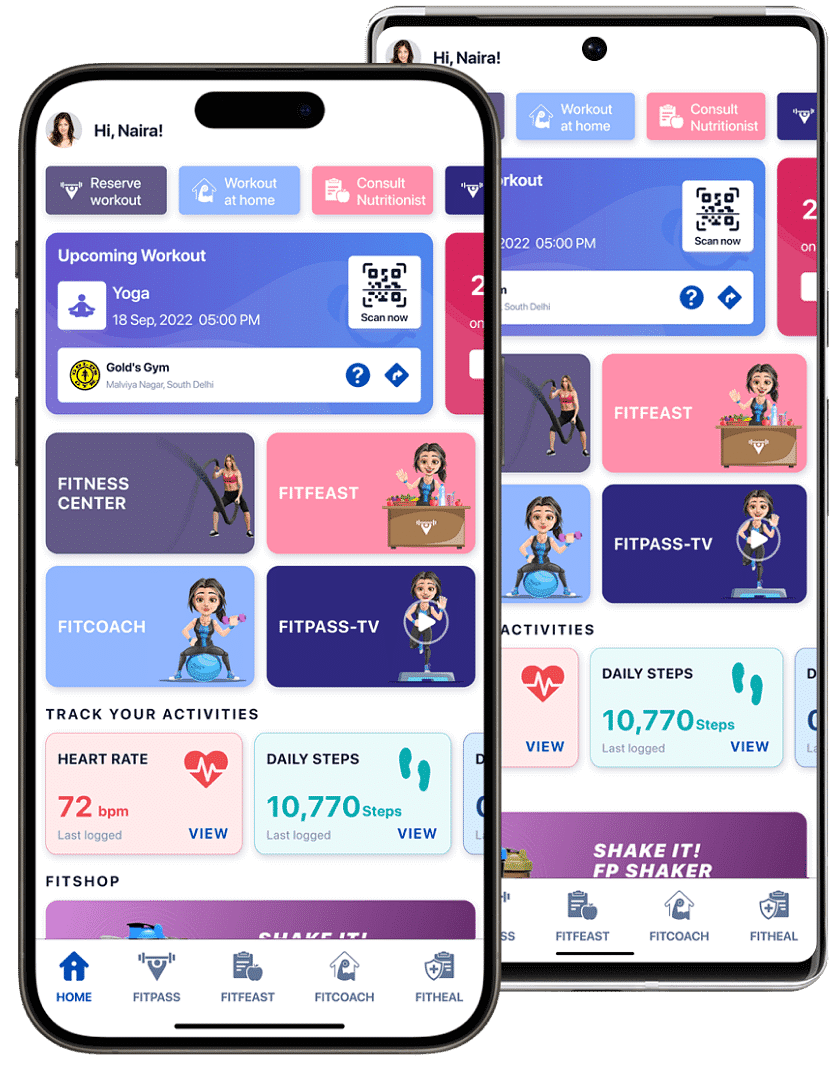
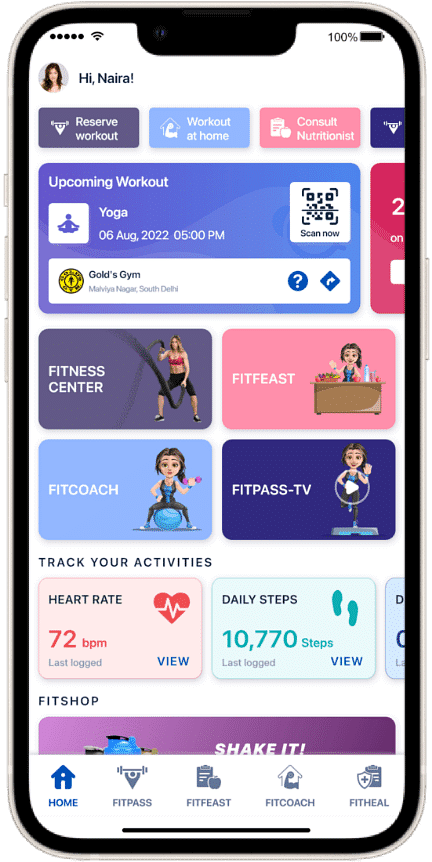
Get Moving Now. Stay fit with FITPASS
Download Now

Subcribe our Newsletter
Subscribe to our newsletter to get our latest updates & blog articles
Subscribe