You finish your workout feeling tired but satisfied. You stretch, drink some water, and head home thinking the important part of the day is done. In reality, your results depend less on the workout you just completed and more on what you do afterward.
Many people exercise regularly today. Some go to the gym early morning before office, some train in the evening after work, and others follow home workouts online. Yet a common frustration remains. Despite consistency, the body does not change as expected. Strength improves slowly, soreness lasts for days, energy feels low, and fat loss stalls.
The issue is rarely the workout plan. It is post workout recovery, especially nutrition.

During exercise, muscles undergo stress and energy stores get depleted. The body then enters a repair phase where it rebuilds muscle fibers, restores fuel, and adapts to become stronger and fitter. This entire process depends heavily on what you eat and drink after training. Skipping meals, relying only on tea or coffee, eating random snacks out of hunger, or depending entirely on supplements delays recovery and slows progress even when workouts are consistent.
A planned post workout meal is therefore an essential part of fitness. The right nutrition restores energy, supports muscle repair, reduces soreness, and prepares your body for the next session.
In this guide, you will learn what to eat after a workout, when to eat it, and how to adjust your meals based on whether your goal is weight loss, muscle gain, or overall fitness.
What Happens to Your Body After a Workout
During exercise, three important things occur:
1. Muscle Breakdown
Exercise creates microscopic tears in muscle fibers. This is normal and necessary. The body repairs these fibers and makes them stronger than before. This process is called muscle recovery and adaptation.
2. Glycogen Depletion
Your muscles use stored carbohydrates, called glycogen, as fuel. After a workout, glycogen levels become low. If not restored, you will feel weak and tired in your next session.
3. Fluid and Electrolyte Loss
Sweating causes loss of water and minerals like sodium and potassium. This affects energy, strength, and even concentration.
A proper post workout meal addresses all three problems: repair, refuel, and rehydrate.
Understanding the Science: Why Post-Workout Nutrition Matters
The Anabolic Window Explained
The "anabolic window" refers to the 30-minute to 2-hour period after exercise when your muscles are most receptive to nutrients. During this time, your body is primed to absorb protein for muscle repair and carbohydrates for glycogen replenishment. Research shows that consuming 20-40 grams of high-quality protein during this window significantly enhances muscle protein synthesis.
However, if you've eaten a balanced meal 3-4 hours before training, the urgency decreases slightly, as your body still has circulating nutrients. For fasted workouts, immediate post-exercise nutrition becomes critical to reverse the catabolic state.
The Three Essential Nutrients Body needs After Exercise
1. Protein: The Foundation of Muscle Repair
Protein is the most important nutrient after a workout. It supplies amino acids, which are the building blocks used by the body to repair damaged muscle fibers. Without adequate protein intake, the body cannot rebuild muscle efficiently.
After exercise, the body’s ability to utilize protein increases. Consuming protein helps reduce soreness and improves recovery speed. It also supports fat loss because protein increases satiety and prevents muscle loss during calorie deficits.
Good protein sources easily available in Indian households include paneer, milk, curd, lentils, chickpeas, eggs, chicken, and soy products. A balanced meal containing these foods can provide the required amino acids without expensive supplements.
How Much Protein Do You Need daily?
Protein requirements vary depending on your goal and workout intensity. Consuming too little protein limits progress, while extremely high amounts are unnecessary for most individuals.
For general fitness and regular activity, around 20 grams of protein after exercise is sufficient. People aiming for fat loss may require slightly higher amounts, about 20 to 25 grams, to preserve muscle mass. Those training for muscle gain benefit from approximately 25 to 35 grams. Very intense strength training sessions may require up to 40 grams.
Many people unknowingly consume only 8 to 10 grams after a workout, which is not adequate. For example, a single glass of milk contains around 7 to 8 grams of protein. Combining foods such as curd with nuts or paneer with roti increases protein intake and improves results.
2. Carbohydrates: Restoring Energy Levels
Carbohydrates are equally important, though they are often misunderstood. Many people trying to lose weight avoid carbohydrates completely. However, after exercise, carbohydrates are useful and necessary.
When you consume carbohydrates after training, your body replenishes glycogen stores. This improves energy levels and prepares you for the next workout. Carbohydrates also help protein function better. When carbs are absent, the body may use protein for energy instead of muscle repair.
Suitable carbohydrate options include bananas, rice, whole wheat roti, oats, poha, fruits, and potatoes. These foods provide glucose, which quickly enters muscle cells and restores energy.

3. Fluids and Electrolytes: Rehydration and Recovery
Sweating during exercise causes loss of water and minerals such as sodium and potassium. Dehydration may lead to headaches, cramps, dizziness, and fatigue. Rehydration is therefore essential after a workout.
Plain water is effective, but adding natural fluids such as coconut water, lemon water, or buttermilk helps restore electrolytes. Proper hydration improves nutrient transport and speeds recovery.
Optimal Nutrient Timing: When to Eat After Exercise
A common question is whether food must be eaten immediately after training. The answer is that you do not need to rush within minutes, but you should not delay excessively either.
Immediate Post-Workout (0-30 Minutes)
This is the most critical window for nutrient intake, especially after intense or fasted training. Aim for:
- 20-40g protein from fast-digesting sources (whey protein, egg whites)
- 0.5-0.8g carbs per kg body weight from high-glycemic sources (white rice, fruits, sports drinks)
- Electrolyte-rich fluids to replace sweat losses
Extended Recovery Window (30 Minutes - 2 Hours)
If you consumed a pre-workout meal, you have more flexibility. Focus on:
- Complete meal with 25-35g protein from whole food sources
- Complex carbohydrates for sustained energy release
- Healthy fats and vegetables for micronutrients
Throughout the Day
Recovery continues for 24-48 hours after intense exercise. Distribute protein intake across meals (20-30g every 3-4 hours) to maintain elevated muscle protein synthesis.
Before Bed Recovery
Consuming 28-40 grams of slow-digesting protein (casein, cottage cheese) before sleep boosts overnight muscle protein synthesis and promotes greater muscle size and strength gains.
Best Post-Workout Meals by Category
-
Complete Protein Sources
Animal-Based Protein Options
|
Food
|
Serving Size
|
Protein
|
Key Benefits
|
Best Time to Use
|
|
Eggs
|
2–3 whole eggs
|
18–21 g
|
Complete amino acid profile, healthy fats
|
Morning or general recovery
|
|
Grilled Chicken Breast
|
100 g
|
31 g
|
Lean muscle building protein
|
Muscle gain workouts
|
|
Greek Yogurt
|
200 g
|
20 g
|
Fast digesting, probiotic support
|
Immediately post workout
|
|
Salmon / Fish
|
150 g
|
30 g
|
Omega-3 reduces inflammation
|
Intense or heavy training days
|
|
Cottage Cheese (Paneer)
|
200 g
|
24 g
|
Slow digesting casein protein
|
Evening workouts
|
|
Whey Protein Isolate
|
1 scoop
|
25–30 g
|
Fastest absorption
|
Quick recovery when short on time
|

Plant-Based Protein Options
|
Food
|
Serving Size
|
Protein
|
Additional Nutrients
|
Why It Helps Recovery
|
|
Tofu / Tempeh
|
200 g
|
20–30 g
|
Iron, calcium
|
Supports muscle repair
|
|
Lentils (Dal)
|
1 cup cooked
|
18 g
|
Fiber, magnesium
|
Sustained recovery energy
|
|
Quinoa
|
1 cup cooked
|
8 g
|
All 9 essential amino acids
|
Complete plant protein
|
|
Soy Milk
|
250 ml
|
8–10 g
|
Calcium fortified
|
Dairy alternative recovery drink
|
|
Chickpeas
|
1 cup
|
15 g
|
Complex carbs + protein
|
Refuels and repairs together
|
-
Optimal Carbohydrate Sources
Fast-Digesting Carbs (Immediately After Workout)
|
Food
|
Purpose
|
Recovery Benefit
|
|
Banana
|
Potassium replenishment
|
Prevents cramps and fatigue
|
|
White Rice
|
Rapid glycogen refill
|
Restores workout energy quickly
|
|
Sweet Potato
|
Vitamins A & C
|
Muscle recovery support
|
|
Rice Cakes
|
Fast absorption
|
Quick energy without heaviness
|
|
Dates / Dry Fruits
|
Natural sugars
|
Instant recovery fuel
|

Slow-Digesting Carbs (Sustained Recovery)
|
Food
|
Key Nutrient
|
Benefit
|
|
Brown Rice
|
Fiber
|
Long-lasting energy
|
|
Oats
|
Beta-glucan fiber
|
Stable blood sugar recovery
|
|
Whole Grain Bread
|
B-vitamins
|
Prevents energy crash
|
|
Multigrain Roti
|
Complex carbs
|
Ideal Indian recovery meal
|
Healthy Fats for Hormone Support
|
Food
|
Main Fat Type
|
Benefit
|
When to Eat
|
|
Almonds / Walnuts / Chia / Flax
|
Omega fats
|
Supports hormone balance
|
1–2 hrs after workout
|
|
Avocado
|
Monounsaturated fats
|
Muscle repair support
|
With meal
|
|
Nut Butters
|
Healthy fats + calories
|
Helps muscle gain
|
Bulking diets
|
|
Olive Oil
|
Anti-inflammatory fats
|
Reduces soreness
|
Added to meals
|
Hydration Solutions
|
Drink
|
Key Nutrient
|
Benefit
|
Ideal For
|
|
Coconut Water
|
Natural electrolytes
|
Rehydration & cramp prevention
|
Summer workouts
|
|
Sports Drinks
|
Sodium + potassium
|
Rapid fluid replacement
|
Long workouts
|
|
Electrolyte Water
|
Low calorie minerals
|
Weight loss plans
|
Cardio training
|
|
Chocolate Milk
|
4:1 carb protein ratio
|
Endurance recovery
|
Runners & athletes
|
What to Eat Based on Workout Type
-
Primary Goal: Muscle repair and protein synthesis
Recommended Ratio: 1:2 protein to carbs
- Protein: 30-40g for optimal muscle protein synthesis
- Carbohydrates: 60-80g to replenish muscle glycogen
- Timing: Within 30-60 minutes
Best Choices: Whey protein + banana, chicken + rice, eggs + toast
-
Primary Goal: Glycogen replenishment and hydration
Recommended Ratio: 1:3-4 protein to carbs
- Protein: 20-25g to prevent muscle breakdown
- Carbohydrates: 80-100g for rapid glycogen restoration
- Electrolytes: Critical due to high sweat loss
Best Choices: Chocolate milk, smoothie bowls, rice with lean protein
-
Primary Goal: Gentle recovery and flexibility support
Recommended Approach: Lighter meals with anti-inflammatory foods
- Protein: 15-20g from easily digestible sources
- Carbohydrates: 30-40g from fruits and whole grains
- Hydration: Herbal teas, coconut water
Best Choices: Smoothies, fruit + yogurt, light salads with protein
-
Primary Goal: Energy restoration and temperature regulation
Recommended Approach: Warm, easily digestible meals
- Protein: 25-35g
- Carbohydrates: 70-90g
- Warm fluids: To restore core temperature
Best Choices: Soup with protein, warm grain bowls, hot chocolate with protein
Common Post-Workout Nutrition Mistakes to Avoid
-
Waiting Too Long to Eat
Delaying your post-workout meal beyond 2 hours significantly reduces muscle protein synthesis and glycogen replenishment rates. If you can't eat immediately, at minimum consume a protein shake or quick snack.
-
Skipping Carbohydrates
Many people avoid carbs post-workout fearing weight gain, but carbohydrates are essential for glycogen restoration and actually enhance protein absorption. The combination of protein plus carbs is superior to protein alone for recovery.
-
Insufficient Protein Intake
Consuming less than 20g of protein post-workout fails to maximize muscle protein synthesis. Research consistently shows 20-40g is the optimal range depending on body weight and workout intensity.
-
Over-Relying on Supplements
While protein powders are convenient, whole foods provide additional micronutrients, fiber, and satiety that supplements lack. Use supplements strategically when whole foods aren't accessible, not as a complete replacement.
-
Ignoring Hydration
Focusing solely on food while neglecting fluid and electrolyte replacement can impair recovery and subsequent performance. Weigh yourself before and after workouts—aim to replace 150% of fluid lost.
-
One-Size-Fits-All Approach
Your post-workout nutrition should match your training intensity, duration, and goals. A 30-minute yoga session requires different nutrition than a 2-hour intense training session.
Conclusion: Your Recovery Starts Now
Post-workout nutrition is not optional, it's the foundation of your fitness progress. By consuming the right balance of protein, carbohydrates, and fluids within the optimal timeframe, you transform exercise stress into strength, endurance, and body composition improvements.
Start with these actionable steps:
- Prepare your post-workout meal before training to ensure immediate availability
- Match your macros to your goal: muscle gain, fat loss, or endurance
- Experiment with timing: find what works best for your body and schedule
- Track your progress: adjust based on recovery, performance, and results
- Stay consistent: nutrition compounds over weeks and months
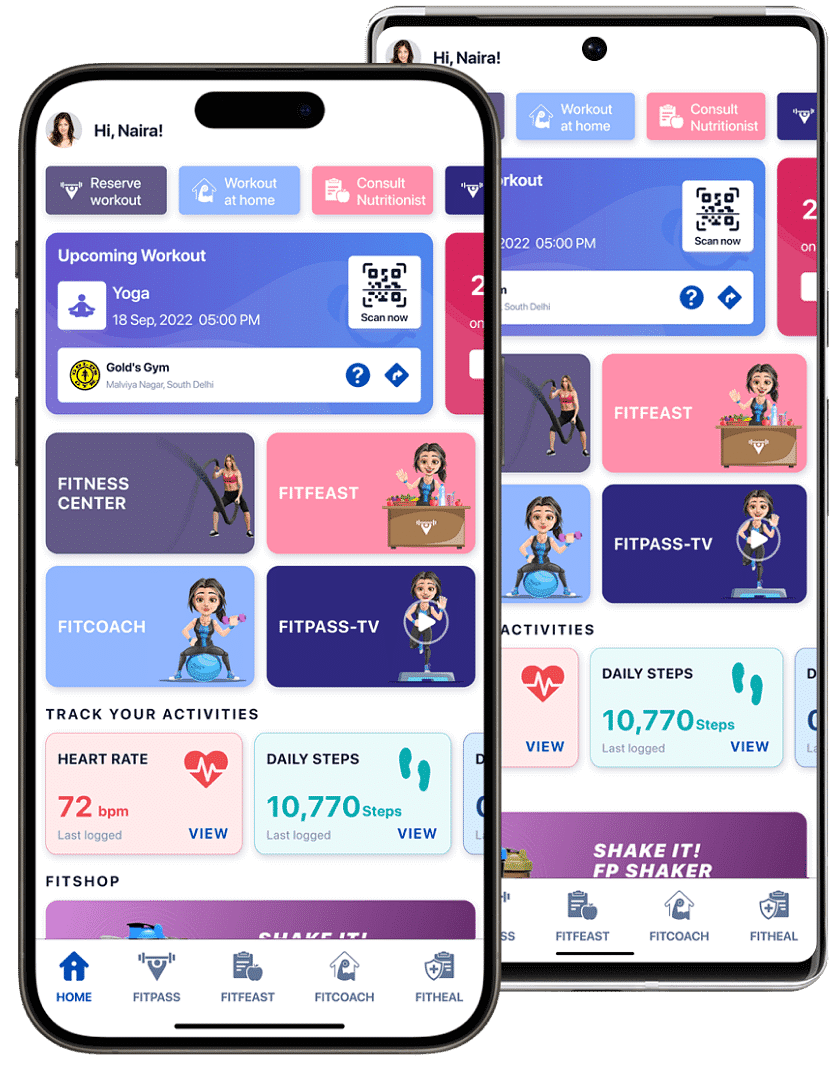
Ready to optimize your recovery? Download the FITPASS app to connect with certified nutritionists who can create personalized meal plans matched to your fitness goals and workout schedule. Your muscles are waiting, feed them right.