Weight loss is a common goal, but many people rush the process, often falling into the trap of an extreme diet or pushing workout regimes.
While it might be tempting to chase quick results, the truth is that the healthy weight loss pace matters far more than the speed at which the scale drops. A gradual, well-managed reduction in weight not only protects your physical and mental health but also ensures long-term success. Whether you’re just starting your fitness journey or re-evaluating your goals, this blog answers all the important questions. And that is how fast you should lose weight to stay safe and healthy.
Powerful Insights
-
The recommended weight loss per week is 0.5 to 1 kg (1 to 2 pounds).
-
Losing weight too quickly can lead to health risks, nutrient deficiencies, and muscle loss.
-
A realistic weight loss goal helps maintain motivation and consistency.
-
A balanced diet, regular exercise, and stress management support sustainable fat loss.
-
Weight loss progress benchmarks help you stay on track and measure success beyond the scale.
Understanding The Healthy Weight Loss Pace
A healthy weight loss journey isn’t about a drastic transformation overnight. Health professionals, including the NHS and the Centers for Disease Control and Prevention (CDC), recommend a safe weight loss rate of 0.5–1 kg (1–2 pounds) per week. This rate allows your body to adapt to changes without triggering metabolic stress or hormonal imbalance. Losing weight at this pace ensures that most of the loss is from fat, rather than lean muscle mass or water weight.
In fact, a 2010 study published in Obesity found that slower weight loss led to better long-term maintenance, whereas rapid weight loss was often followed by quick regain.
Why Losing Weight Too Fast Can Be Harmful

It’s easy to fall for flashy headlines promising a 10 kg drop in two weeks.
However, losing weight too fast has real risks. Here's what might happen if you push your body too hard:
- Muscle loss: When calorie intake is too low, your body may burn muscle for energy, not just fat.
- Nutritional deficiencies: Extreme diets often lack essential nutrients like iron, calcium, and vitamin B12.
- Gallstones: According to the Mayo Clinic, rapid weight loss increases the risk of gallstone formation.
- Metabolic slowdown: Starving your body can lead to a drop in metabolism, making future weight loss harder.
So, if you're wondering how much weight you can lose in a month, aim for 2–4 kg (4–8 pounds).
It may seem modest, but this range supports your healthy fat loss timeline.
Setting Realistic Weight Loss Goals
Goals set the tone for your journey. Unrealistic expectations often lead to disappointment, while achievable ones keep you motivated. A good starting point is to aim for a 5–10% reduction in your starting weight over 3–6 months. For instance, if you weigh 80 kg, losing 4–8 kg over several months is both healthy and sustainable. This approach also aligns with long-term improvements in cholesterol, blood pressure, and insulin sensitivity.
When it comes to setting weight loss expectations, consider the following:
- Everybody is different. Genetics, age, and lifestyle all affect your progress.
- Plateaus are normal. Progress isn’t always linear.
- Focus on weekly weight loss guides, not daily fluctuations.
Slow vs Fast Weight Loss: What Does Science Say?
There's a common belief that faster results equal better motivation. But is that sustainable?
A study published in The Lancet Diabetes & Endocrinology (2014) compared rapid vs gradual weight loss. While both groups lost similar weight, those in the slower group had lower chances of regaining it. Moreover, slow weight loss supports habit formation, which is essential for keeping the weight off. Crash diets don’t teach portion control, mindful eating, or emotional resilience, all key to lasting results. If your goal is long-term change, ideal weight loss speed is the one you can maintain without burning out physically or emotionally.
Weekly and Monthly Weight Loss Benchmarks
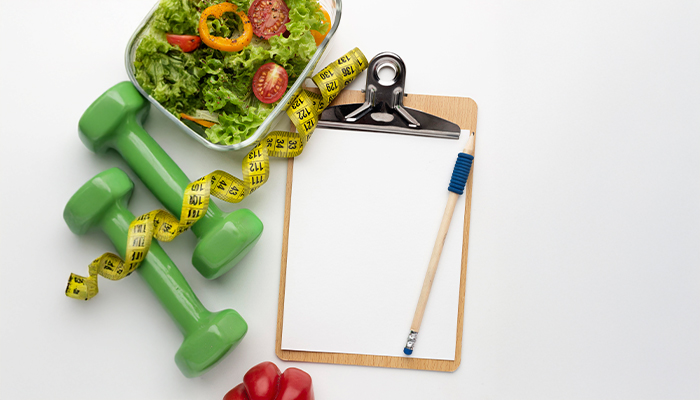
Understanding benchmarks helps you stay on track. Instead of obsessing over daily changes, assess progress weekly or monthly. Here's a rough breakdown:
| Timeframe |
Safe Weight Loss Range |
| Per Week |
0.5–1 kg |
| Per Month |
0.5–1 kg |
| 3 Months |
6–12 kg |
| 6 Months |
10–20 kg (with lifestyle support) |
These numbers aren't fixed, but they offer a guide for setting expectations and tracking weight loss progress benchmarks.
Sustainable Weight Loss Tips for the Long Haul
Success in weight loss is not about speed but consistency. Workouts paired with the right nutrition help you with preventive healthcare as well. Pay attention to this, there are many cardiovascular issues, respiratory issues, and long-term diseases like diabetes that are called 'silent killers'. These diseases slowly affect your body over a span of a decade. That is why sustainable weight loss is more important than ever. To lose weight at a healthy pace, focus on strategies that promote gradual and lasting change. The following are a few sustainable weight loss tips to keep your body and heart healthy.
- Balanced meals: Fill half your plate with vegetables, include lean proteins, and avoid heavily processed foods.
- Consistent movement: Aim for at least 150 minutes of moderate-intensity activity per week, including strength training twice a week.
- Hydration: Drink water throughout the day; it helps with digestion, satiety, and metabolism.
- Mindful eating: Avoid distractions during meals. Chew slowly and listen to your hunger cues.
- Sleep well: Poor sleep affects hunger hormones and can derail your efforts.
These habits support not only weight loss but also overall health and well-being.
Creating a Sustainable Weight Loss Strategy
Quick fixes fade, but a long-term strategy will keep you fit for life. In a world buzzing with '30-day challenges' and 'miracle diets', it's easy to get caught in the trap of quick fixes. While tempting, these fleeting solutions often lead to disappointment and a frustrating cycle of regaining. Here’s how to build one:
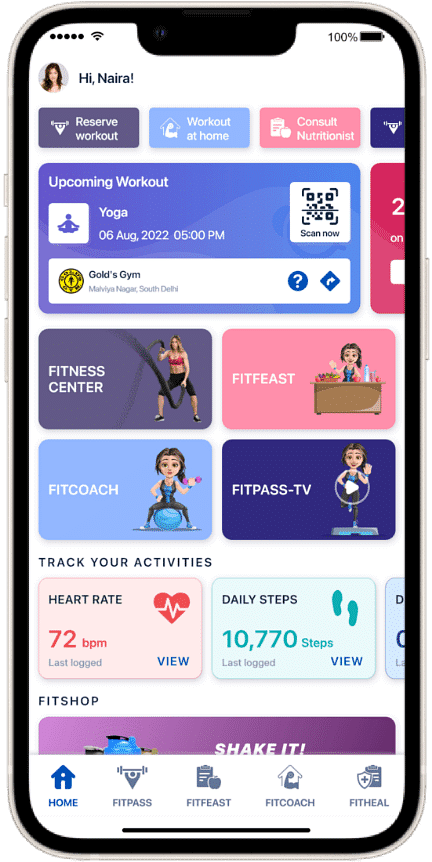
- Track your habits: Use a journal or app to track meals, workouts, and mood.
- Celebrate non-scale victories: Better sleep, improved mood, and smaller clothes are wins too.
- Adjust as you go: Life changes, so your plan should adapt. Flexibility matters.
- Seek support: Friends, trainers, or online communities can make the process less isolating.
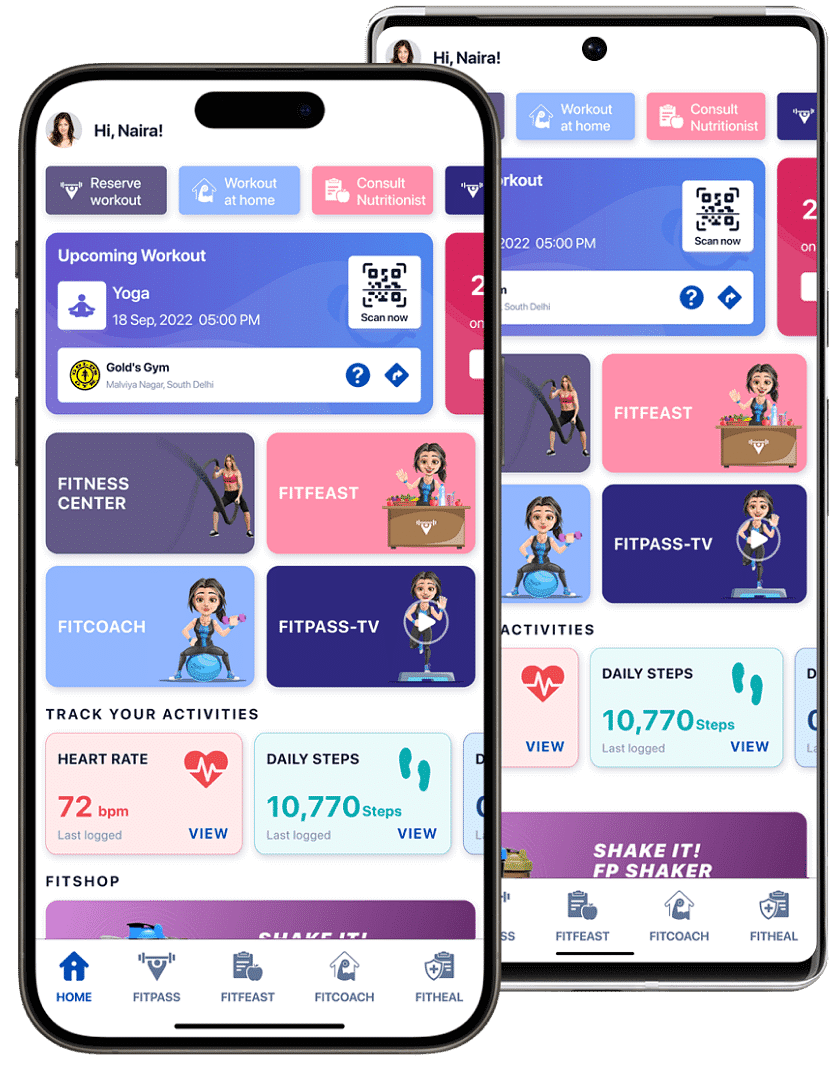
Incorporating these into your routine sets a strong foundation for your long-term weight loss strategy. Rigid routines often crumble under pressure. It is important to be prepared to adjust your strategy as your circumstances change – whether it's work demands, family commitments, or travel. Flexibility is all about smart planning for real life. Embarking on a fitness journey can feel isolating, but it doesn't have to be. Lean on friends or family, or consider partnering with a personal AI fitness coach to stay accountable. Online communities also offer a wealth of encouragement and shared experiences. A robust support network provides accountability and boosts morale when motivation wanes. By weaving these foundational elements into your routine, you’re not just chasing a number; you're building a resilient, effective strategy for long-term health and wellness. This is the FITPASS way!
Managing weight can be empowering if you do it sustainably. Those results help you live a fitter, healthier life.
Weight Loss Is More Than Numbers

It’s easy to focus solely on the scale, but remember: weight loss is a side effect of a healthy lifestyle, not the end goal.
Pay attention to energy levels, mental clarity, strength, and mood. These indicators reflect bigger changes that last long after the number on the scale settles.
In short, the ideal weight loss speed is the one that improves your life, not just your looks.
The Pace of Weight Management In a Nutshell
If you’ve been asking yourself, “How fast should you lose weight?”, now you know how to do it the right way!
Slow and steady really does win the race. Focusing on a healthy weight loss pace allows you to build habits that last, preserve muscle mass, and feel better from the inside out. There’s no universal timeline, but with a clear plan, realistic expectations, and a bit of patience, you can hit your goals and keep the weight off for good. While the number on the scale can be a motivator, it’s just one metric. At FITPASS, we encourage everyone to focus on the "non-scale victories" just as much. The better sleep you get, the better your mood will be. You will witness an increase in energy. The clothes will start to fit more comfortably. These are powerful indicators of true health and progress that fuel sustained motivation for weight management.