Losing weight takes effort, but keeping it consistent can be simple when you follow small, steady habits that fit easily into your daily routine. After months of disciplined eating and regular workouts, the body naturally tries to return to its old "set-point," which is why many people slowly regain the weight they worked so hard to lose. The good news is that long-term weight maintenance is absolutely possible when you follow a sustainable lifestyle instead of relying on short-term diet rules.
Why Weight Maintenance is Harder Than Losing Weight
Before diving into habits, understand the biological battle you're fighting. When you lose weight, your body activates powerful survival mechanisms:
1. Metabolic Adaptation: Your Body Fights Back
Weight loss triggers a 15-20% reduction in basal metabolic rate. Your body becomes more fuel-efficient, burning fewer calories at rest. This evolutionary response, designed to prevent starvation, means you need 200-300 fewer calories daily than someone at your same weight who never dieted.
2. Hormonal Changes That Increase Hunger
Leptin (the "fullness hormone") drops by 50-70% after weight loss, while ghrelin (the "hunger hormone") rises significantly. This hormonal shift creates persistent hunger signals that can last for years, making willpower alone insufficient.
3. Psychological Fatigue
After months of restriction, decision fatigue sets in. The discipline required for weight loss often feels unsustainable long-term, leading to gradual slip-ups that compound over time.
Understanding these challenges isn't meant to discourage you; it's to prepare you with strategies that work with your biology, not against it.
The 8 Evidence-Based Habits for Lifelong Weight Maintenance
1. Build and Maintain Muscle to Keep Your Metabolism Strong
Many people assume that maintaining weight simply requires eating a little less and moving a little more, but long-term success depends heavily on preserving muscle mass. After weight loss, the metabolism becomes more sensitive, and losing even a small amount of muscle can slow it down further. Strength training-through gym workouts, resistance bands, kettlebells, or bodyweight exercises-helps your body burn more calories even while resting.
When you incorporate weight training into your routine three to four times a week, your body becomes more efficient at regulating insulin, managing hunger, and storing energy. This reduces the likelihood of slowly regaining fat in the months that follow your weight-loss journey.

How to Make This Work With Your Life:
- Mix it up: Cardio is great (try Spin & RPM for that 400-600 calorie burn), but strength training is your secret weapon. More muscle = higher metabolism. So, Hit the gym 3x a week.
- Break it up: 20 minutes of morning yoga, a 20-minute walk after lunch, and a 20-minute workout in the evening. Doesn't seem so bad now, right?
2. Make Protein a Daily Priority
Protein is one of the most important nutrients for keeping weight off. It helps stabilise blood sugar levels, reduces sudden hunger spikes, and supports your body in maintaining the muscle you gained during your weight-loss phase.
Most people benefit from consuming around 1.2 to 1.6 grams of protein per kilogram of body weight per day. This becomes easier when you include protein-rich options in every meal, like eggs, curd, tofu, soy milk, dals, sprouts, paneer, chicken, or fish. The goal is to make protein a consistent part of your daily routine rather than an occasional addition.

Quick math: If you weigh 70kg, you need about 110-150g of protein daily. Our nutrition tracker can help you hit this target without going crazy counting.
3. Weigh Yourself Every Week to Stay on Track (No, It's Not Obsessive)
Self-monitoring is the strongest predictor of weight maintenance success. Weekly weigh-ins increase awareness and prompt corrective action before small gains become significant.

Your Monitoring System:
- Weigh yourself every Monday morning before breakfast, after using the bathroom
- Track body measurements (waist, hips) monthly
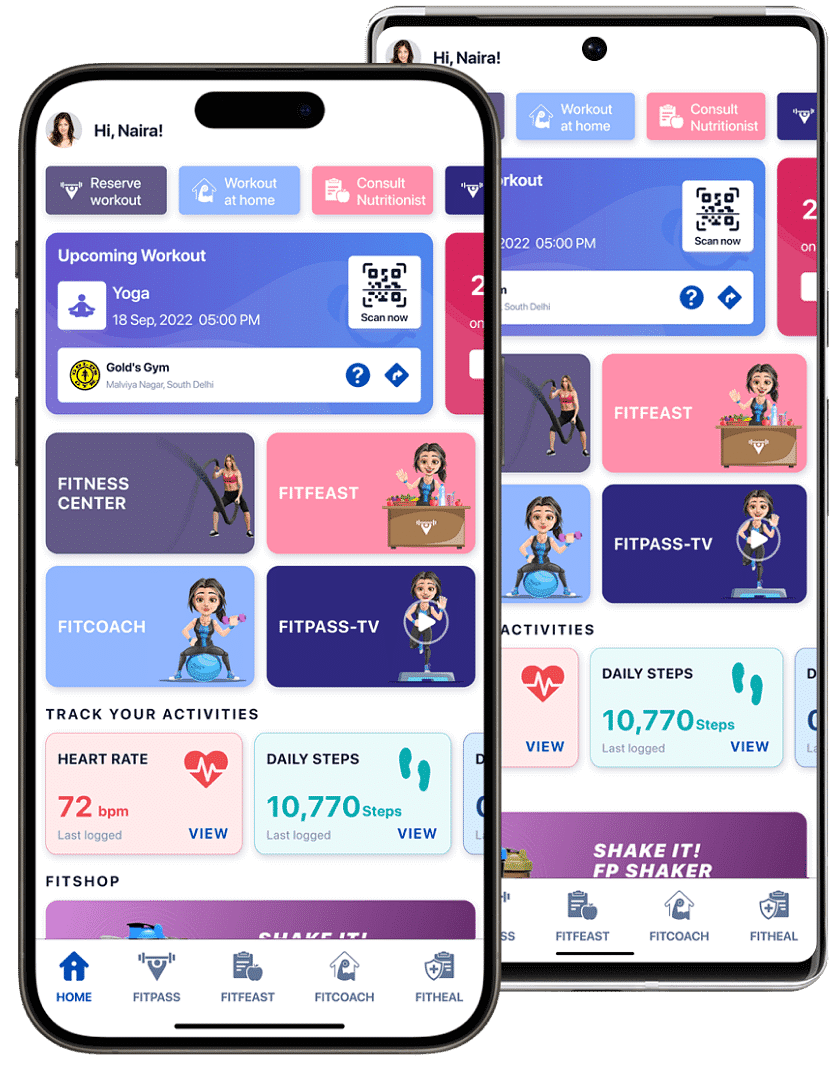
- Log food intake daily using the FITPASS app
- Review trends, not single data points: A 1-2 kg fluctuation is normal; a 3+ kg upward trend requires intervention
4. Practice Eating Until You Are Satisfied, Not Stuffed
One of the most sustainable long-term habits is learning to stop eating when you feel comfortably satisfied. This is different from dieting, which often involves strict rules and deprivation. Instead, it's about being mindful and recognising your natural hunger cues.
A helpful philosophy to follow is the "80% full rule," inspired by the Okinawan practice of Hara Hachi Bu. The idea is to eat slowly, savour each bite, and allow your body enough time- typically around 20-25 minutes to register fullness. When you adopt this habit, you naturally reduce overeating without feeling restricted, making weight maintenance much easier.

5. Smart Carbohydrate Management (Not Elimination)
Low-fibre, refined carbs cause rapid blood sugar spikes and crashes, triggering hunger. High-fibre complex carbs promote satiety and stable energy. Target 25-35g fibre daily from vegetables, fruits, legumes, and whole grains.

6. Stay Hydrated to Prevent Unnecessary Snacking
Many instances of "hunger" are actually signs of mild dehydration. When your body lacks fluids, you may mistake thirst for cravings and reach for snacks you don't truly need. By drinking enough water throughout the day, you keep your appetite regulated, digestion smooth, and energy levels stable.
Carrying a bottle and drinking at regular intervals can make a big difference, especially for people who work long hours or spend time in air-conditioned environments.

7. Prioritise Sleep Because It Directly Impacts Hunger and Cravings
Sleep is one of the most underestimated factors in maintaining weight loss.
When you regularly sleep less than 7 hours, your body increases the production of ghrelin, the hormone that triggers hunger and reduces leptin, which helps you feel full. The result? Stronger cravings, especially for high-calorie foods, and a higher chance of overeating.
Sleep Protocol That Actually Works:
- Aim for 7-9 hours (yes, really)
- Same bedtime and wake time, even on weekends
- No screens 1 hour before bed (I know, but try)
- Keep your room cool (18-20°C) and dark
8. Create a Weekend Routine So You Don't Undo Weekday Progress
For many people, weight regain happens not during the week but over the weekend. Eating out without planning, alcohol consumption, late-night meals, and irregular sleep can quickly add up.
Instead of keeping weekends "free," create a flexible but mindful routine. Plan at least one workout, choose one indulgent meal rather than an entire day of overeating, and be conscious of your portion sizes. Balancing enjoyment with awareness helps you maintain your progress without feeling restricted.
Common Pitfalls & How to Avoid Them
|
Pitfall
|
Problem
|
Solution
|
|
The "I've Earned It" Mindset
|
Rewarding weight loss with food treats creates a vicious cycle that undermines long-term success.
|
Non-food rewards-new workout gear. Focus on experiences that support your new lifestyle rather than sabotaging it.
|
|
Weekend Binge Cycles
|
Strict weekdays followed by uncontrolled weekends can erase weekly deficits and trigger metabolic confusion.
|
Follow the 80/20 rule daily rather than weekly. Enjoy small treats regularly to prevent deprivation and maintain consistent eating patterns.
|
|
All-or-Nothing Thinking
|
One bad meal leads to "I've ruined everything" mentality, causing complete abandonment of healthy habits.
|
The next meal is a new start. Track "streaks" of healthy meals, not perfection. Progress matters more than perfection.
|
|
Ignoring Small Weight Creep
|
0.5 kg monthly gain seems insignificant until it's 6 kg yearly, making reversal much harder.
|
Implement the "3 kg rule". If weight rises 3 kg above goal, return to tracking for 2 weeks. Early intervention prevents full relapse.
|
Conclusion
Maintaining weight loss is not about perfection or intense discipline. It's about consistently supporting your body with habits that fit naturally into your daily life. Choosing nutrient-dense foods such as moringa, chia seeds, cinnamon, oats, and fresh fruits can help stabilise appetite, improve digestion, and keep your energy steady throughout the day. Moringa, especially, has become a favourite among Indian fitness enthusiasts because of its ability to regulate blood sugar, reduce bloating, and provide plant-based protein, all of which make long-term weight management easier.
Ultimately, the key to sustaining your progress lies in a balanced routine built on mindful eating, regular movement, quality sleep, stress control, proper hydration, and weekly self-check-ins. When these habits become part of your lifestyle, maintaining your weight stops feeling like a struggle and starts becoming a natural, effortless rhythm.