Loading...
LOG IN
HOME
BROWSE STUDIOS
FITCOACH
FITFEAST
FITPASS-TV
FITNESS ACTIVITIES
BLOGS
CORPORATE-WELLNESS
LOG IN
Download Now

Share this article
Tags
benefits of swimmingswimmingswimming classes
Written By

FITPASS Editorial Team
Content Writer
The writers, storytellers and day-dreamers - making sure that they pen down their thoughts in the best possible manner. With an expertise in writing for Health & Lifestyle, they used the platform to share their knowledge to the readers.
Related Articles
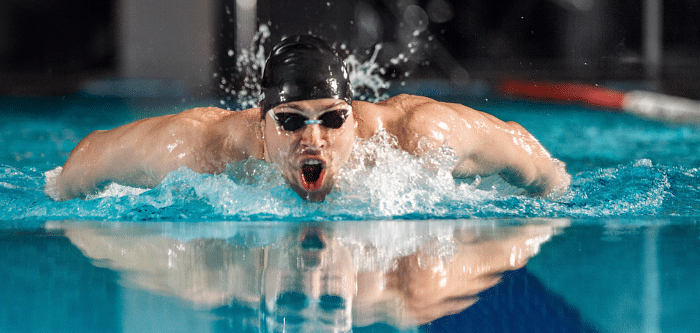
Exploring the Top Benefits of Swimming
Dive into the incredible world of swimming! Discover amazing benefits of swimming for fitness, relaxation, and overall well-being.
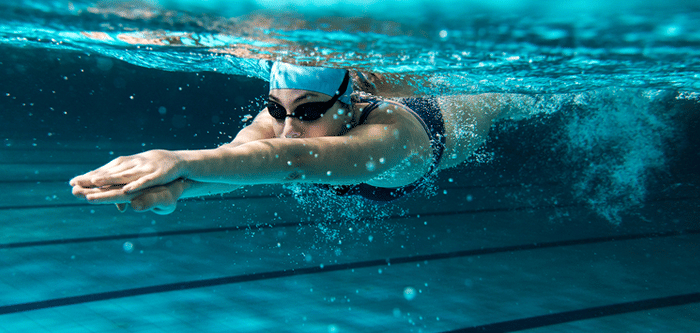
Swimming Strokes: Which One Is Best for Weight Loss, Posture & Fitness?
Understand different swimming strokes, how they work, and which one suits you best. A complete guide for beginners and fitness-focused swimmers.
Frequently Asked Questions
Why swimming is the best exercise?
Swimming is the best combination of cardio and strength exercise. You can hate running, hate being on a treadmill or hopping around is exhausting and tiring. But swimming is the best way to skip cardio and strength at the gym and fitness studio and get your cardio workouts in the pool.
Can you lose your weight if you walk for 30 minutes per day?
As walking regularly will control your weight control it will causes you consume your calories. In the event that you include 30 minutes of energetic strolling to your day by day schedule, you could consume around 150 additional calories daily.
Would you be able to lose your belly fat by walking regularly?
Walking is a low intensity cardiovascular exercise. It will lose about 155 pounds, a 30-minute energetic stroll at 3.5 mph and will consume 134 calories.
How much walking steps you should take in a day?
It's a good idea to find out how many steps a day you should take in a day? You can set up a goal of 10,000 steps by aiming to add 1,000 extra steps a day every two weeks.
Selecting the proper workout will always make a big difference in how much you enjoy walking or swimming. Remember, you are looking for the overall fitness in your body. After all everything depends on your body needs!
Why swimming is the best exercise?
Swimming is the best combination of cardio and strength exercise. You can hate running, hate being on a treadmill or hopping around is exhausting and tiring. But swimming is the best way to skip cardio and strength at the gym and fitness studio and get your cardio workouts in the pool. The most basic piece of swimming is to keep above water by always moving, in the event that you don’t at that point you begin to sink.
Can swimming exercise lose your belly fat?
We all know that there are no magical tricks to reduce your belly fat fast. But swimming is an exceedingly oxygen consuming activity that, whenever done routinely, can consume muscle versus fat. While sprinkling in the pool, you will in general spotlight on fun, instead of on the quantity of calories consumed and which muscles are being conditioned. That additional paunch fat needs to go.
Is it good to swim regularly?
As a matter of first importance, indeed, swimming exercise will make you tired. You stress the muscles with the goal that they get can more grounded and increase more continuance. So go for it every day.
Can you lose your weight if you walk for 30 minutes per day?
As walking regularly will control your weight control it will causes you consume your calories. In the event that you include 30 minutes of energetic strolling to your day by day schedule, you could consume around 150 additional calories daily.
Would you be able to lose your belly fat by walking regularly?
Walking is a low intensity cardiovascular exercise. It will lose about 155 pounds, a 30-minute energetic stroll at 3.5 mph and will consume 134 calories.
How much walking steps you should take in a day?
It's a good idea to find out how many steps a day you should take in a day? You can set up a goal of 10,000 steps by aiming to add 1,000 extra steps a day every two weeks.
Selecting the proper workout will always make a big difference in how much you enjoy walking or swimming. Remember, you are looking for the overall fitness in your body. After all everything depends on your body needs!
How many calories 30 min walk?
A 30-minute walk burns approximately 150-200 calories, depending on your weight and walking speed. It’s a simple yet effective way to stay active.
Can't find an answer? Reach out to our team directly at care@fitpass.co.in or dial 1800-5714-466.
Best Fitness App
Trusted by over 11 million+ customers all across India since 2016
4.7
50K+ Rating
11M+
Customers all over India


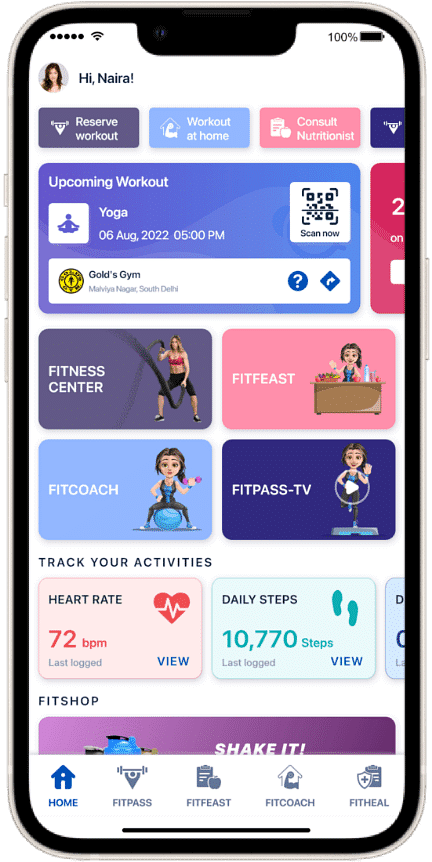
Get Moving Now. Stay fit with FITPASS
Download Now

Subcribe our Newsletter
Subscribe to our newsletter to get our latest updates & blog articles
Subscribe