Table Of Contents
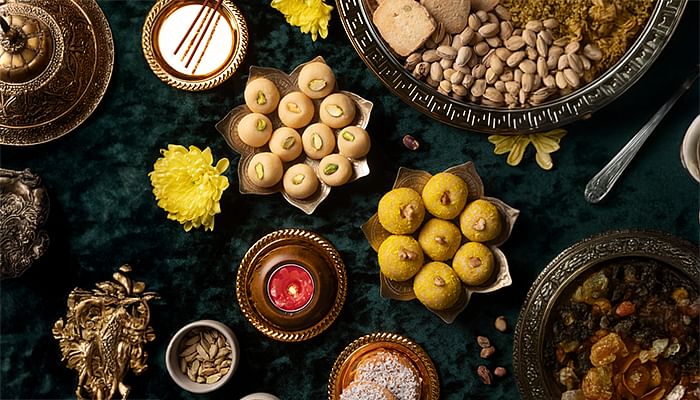
Diwali is a time of lights, laughter, and lavish food spreads. From endless mithais to deep-fried savouries, it’s hard to resist the festive indulgence. But once the celebrations are over, many people find themselves struggling with fatigue, bloating, or even guilt after overeating. This is what we often call the post-Diwali blues. The good news is, you don’t have to feel weighed down for long. With the right post-Diwali detox, you can reset your body, boost your energy, and bring your health back on track.
Before diving into practical Diwali detox tips, let’s look at the key strategies that will help you recover, feel lighter, and build a healthier routine after the festive season.
- Start small: Focus on hydration, raw foods, and light exercises to reset digestion.
- Choose detox-friendly beverages: Green tea, black coffee (without sugar), and apple cider vinegar can support cleansing.
- Balance workouts: Opt for low-intensity workouts for detox, such as yoga, walking, or stretching, before moving to high-intensity routines.
- Fix your sleep: Adequate rest is essential for metabolism recovery after festive late nights.
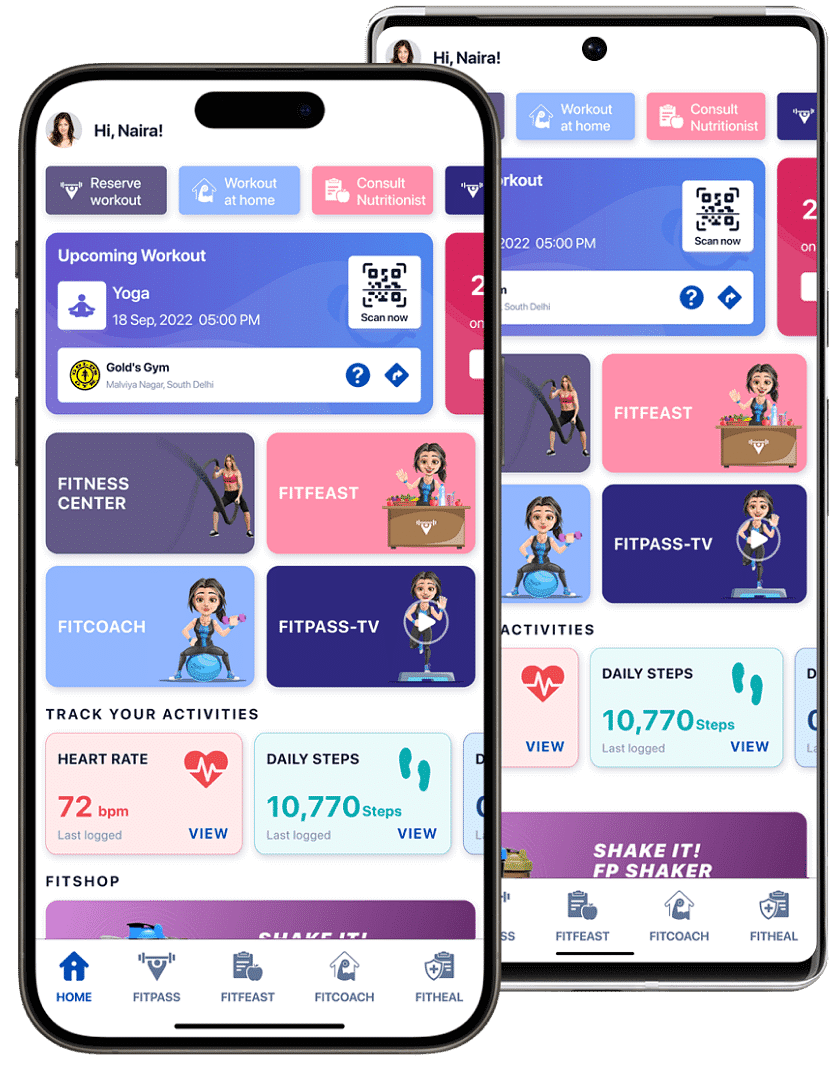
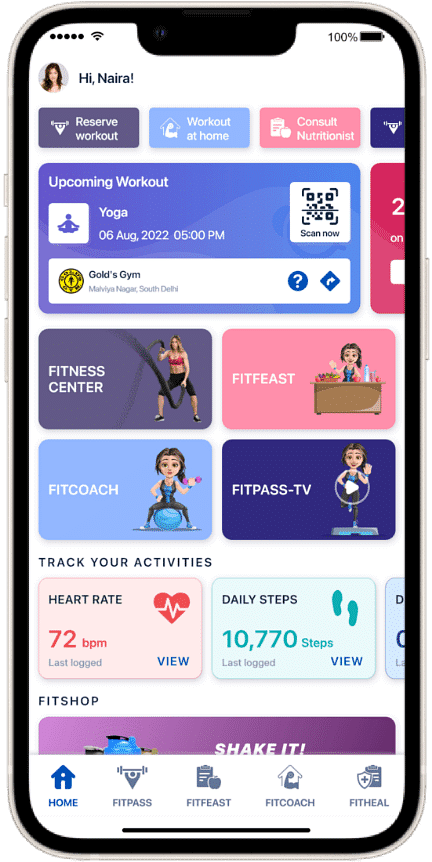
- Seek expert guidance: Use tools like FITFEAST in-app nutritionist consultation to create a personalised post-Diwali diet plan.

Diwali indulgence often means excess sugar, refined carbs, fried food, and alcohol. While occasional treats are fine, several days of festive overeating can burden the digestive system, slow metabolism, and even trigger weight gain.
A 2018 study published in the International Journal of Obesity found that festive feasts often lead to an average weight gain of 0.5–1.5 kg in a short period. While that may not sound significant, the challenge lies in how long it takes to lose it, sometimes months.
This is where a festive detox plan becomes essential. Detoxing after Diwali is not about extreme diets or juice cleanses. Instead, it’s about gentle adjustments that support digestion, restore balance, and ease your body back into routine.
After days of heavy eating and sweets, your body craves fluids to flush out toxins. Start your mornings with warm water and lemon, a natural way to stimulate digestion. Keep a water reminder for hydration on your phone so you don’t forget.
Other smart hydration choices include:
- Green tea for detox – rich in antioxidants.
- Black coffee for detox – boosts metabolism if consumed without sugar.
- Detox drinks after Diwali – like cucumber-mint water or jeera (cumin) water.
These small changes will help in digestion and will speed up your recovery from festive overeating.
The next step in your post-Diwali diet plan is simplifying your meals. After rich and oily food, your digestive system needs a break.
- Include raw vegetables for cleansing, such as cucumbers, carrots, and leafy greens.
- Add raw fruits for detox, like papaya, apple, and watermelon. Studies have shown that high-fibre raw foods improve gut health and regulate digestion.
- Opt for small meals for better digestion instead of three large, heavy ones.
This not only prevents bloating but also keeps your metabolism active throughout the day.

Certain foods can accelerate your detox process while boosting energy levels. A few to consider:
- Apple cider vinegar for weight loss – helps balance blood sugar and supports gut health.
- Cinnamon for lean muscle – has anti-inflammatory properties and aids fat metabolism.
- Raw sprouts and nuts – excellent for satiety and nutrition.
By including these in your post-festival detox, you can manage cravings while nourishing your body.
Jumping straight into heavy workouts after days of rest and feasting can backfire. Instead, start with gentle post-festival exercise.
Options include:
- Walking: 30 minutes daily to activate metabolism.
- Yoga: Improves digestion and relieves bloating.
- Stretching or pilates: Helps improve circulation and mobility.
Once your body feels lighter, move towards a proper post-Diwali workout routine that includes cardio and strength training. This gradual progression prevents fatigue and reduces injury risk.
During Diwali, late nights are common. But lack of sleep slows metabolism and increases cravings for junk food. Prioritise rest as part of your post-Diwali health tips.
Follow these sleep tips for better metabolism:
- Keep a consistent bedtime routine.
- Limit screen time before bed.
- Avoid caffeine late in the evening.
Proper rest resets hormones, supports digestion, and accelerates your recovery from festive indulgence.

The easiest way to slip back into unhealthy habits is by not tracking your progress. Use a calorie tracker for weight loss to stay mindful of your meals. A food journal can also help you identify patterns and triggers.
Many people find accountability motivating. Platforms like FITFEAST offer expert advice, personalised meal plans, and in-app nutritionist consultations to help maintain discipline. Having a professional by your side makes it easier to stick to your detox for weight management goals.

Detox is not just about food and workouts; your mind needs a reset, too. Post-festive blues often leave people feeling sluggish or guilty. Instead of punishing yourself, shift focus to positive action.
A 2020 study in the Journal of Health Psychology highlighted that mindful eating and light activity significantly improve mental well-being after periods of indulgence.
Practising gratitude, journaling, or even meditation can complement your Diwali fitness tips and keep you motivated.
Last Diwali, I found myself indulging a little too much in laddoos and fried snacks. By the end of the week, I felt heavy, bloated, and drained. Instead of panicking, I created a simple festive detox plan.
I started each morning with warm water, included more fruits, and switched my dinners to soups and salads. I also walked 5 km daily and added yoga in the evenings. Within a week, the difference was clear: my digestion improved, I felt lighter, and my energy levels shot up.
The key was not being harsh on myself, but slowly building a routine that worked. This experience showed me that a healthy detox after Diwali is about balance, not deprivation.
Post-Diwali blues are common, but they don’t have to linger. By focusing on hydration, mindful eating, light exercises, and proper rest, you can restore balance quickly. A gentle post-festival detox not only helps with weight management but also boosts energy and mental clarity.
Remember, detoxing is not about punishing yourself for indulgence; it’s about resetting and moving forward with healthier habits. And if you need extra support, tools like FITFEAST diet solutions can make your post-Diwali detox smoother and more effective.
So, embrace the process, listen to your body, and start this new season feeling lighter, fresher, and stronger.