Sports have been an integral part of human culture for centuries, evolving from simple recreational activities to professional competitions that captivate millions. Whether you’re chasing a football on a Sunday morning, hitting the cricket pitch with friends, or training for a tennis tournament, sports offer far more than just physical exertion. They shape our bodies, sharpen our minds, and strengthen our spirits.
From boosting fitness levels to instilling life skills, the benefits of sports touch nearly every aspect of our lives. In fact, studies show that regular participation in sports can improve life expectancy, reduce chronic disease risk, and enhance overall well-being.
Before we explore each benefit in depth, here are some quick takeaways you should keep in mind.
- Sports improve physical health by building strength, stamina, flexibility, and agility.
- Mental benefits of sports include reduced stress, better mood, and increased confidence.
- Playing sports develops essential life skills like teamwork, leadership, and discipline.
- Sports-specific training can help improve performance in everyday activities.
- Engaging in sports promotes a healthy lifestyle for all age groups.
The importance of sports in life goes beyond physical appearance or fitness levels. They act as a foundation for a balanced lifestyle, helping individuals build resilience, patience, and the ability to work with others.
Participating in sports regularly ensures that the body stays active, which is essential in combating the sedentary lifestyle that has become common in modern society. Moreover, sports provide a structured way to engage in physical activity, making exercise enjoyable and sustainable.
When we talk about the physical benefits of sports, the list is long and impressive.
- Improves Strength and Stamina – Sports like football, hockey, and cricket demand consistent running, jumping, and strategic movement, which improve cardiovascular endurance and muscular strength.
- Aids Weight Loss – Many sports burn calories rapidly. For example, playing tennis for an hour can burn up to 600 calories, making it an excellent choice for those seeking the weight loss benefits of sports.
- Enhances Flexibility and Agility – Sports such as badminton or gymnastics require quick reflexes and dynamic movements, improving flexibility and agility over time.
- Boosts Cardiovascular Health – According to the British Heart Foundation, regular participation in aerobic sports significantly reduces the risk of heart disease.
From casual weekend games to competitive training, these physical benefits are accessible to everyone, regardless of age or skill level.

While the body gets stronger, the mind also reaps rewards from regular sports participation.
- Sports for Mental Health – Physical activity triggers the release of endorphins, the body’s natural mood enhancers, reducing symptoms of anxiety and depression.
- Stress Relief Through Sports – Whether it’s a fast-paced game of football or a relaxing swim, sports provide an outlet for releasing built-up tension.
- Confidence Building Through Sports – Achieving personal milestones, whether small or large, boosts self-esteem and motivates individuals to aim higher.
Research published in The Lancet Psychiatry (2018) found that individuals participating in team sports reported better mental well-being compared to those engaging in solo exercises, highlighting the social and psychological benefits of group activities.
Sports and fitness are inseparable partners. Sports provide a functional form of fitness training, working multiple muscle groups and improving coordination. Unlike repetitive gym routines, sports keep workouts fresh and engaging.
Moreover, sports-specific training ensures that athletes and enthusiasts alike can enhance their performance through targeted exercises. For instance:
- Strength training for sports like hockey focuses on leg and core stability.
- Sports-specific drills in cricket improve batting precision and reaction time.
- Improving speed and agility drills are essential for football and tennis players.
By tailoring fitness routines to specific sports, you can maximise results and reduce the risk of overtraining or injury.
Playing sports regularly has profound effects on sports and overall health. Not only do they strengthen the body, but they also improve immune function, reduce inflammation, and promote better sleep quality.
Additionally, engaging in sports fosters healthier lifestyle choices. People who play sports tend to eat better, stay hydrated, and follow structured daily routines. When combined with balanced nutrition, such as sports nutrition for better performance, these habits create a positive feedback loop for well-being.

One of the advantages of playing sports is the life skills they teach. Beyond the scoreboard, sports cultivate traits that are valuable in personal and professional life.
- Teamwork and Sports – Working together towards a common goal strengthens cooperation and communication.
- Discipline in Sports – Regular training schedules instil time management and commitment.
- Leadership Skills from Sports – Captains and experienced players learn how to motivate others, make quick decisions, and lead under pressure.
These skills often extend beyond the playing field, making sports a powerful tool for character development.
From energetic kids to active seniors, sports for all age groups can be tailored to suit different needs.
- Sports for Kids and Teens – Helps develop motor skills, social interaction, and healthy habits from an early age.
- Sports for Adults – Offers stress relief, fitness maintenance, and a chance to socialise.
- Sports for Seniors – Low-impact options like swimming, golf, or yoga keep joints healthy and promote mobility.
Regardless of age, the principle remains the same: stay active and enjoy the process.
Each sport has unique advantages:
- Benefits of Playing Cricket – Improves hand-eye coordination, reflexes, and strategic thinking.
- Benefits of Football – Builds cardiovascular endurance, leg strength, and teamwork skills.
- Benefits of Tennis – Enhances agility, speed, and focus while offering a full-body workout.
- Benefits of Hockey – Develops lower body strength, balance, and coordination.
Choosing a sport that matches your interests and fitness goals can make your journey more rewarding.

While sports offer numerous health benefits, injury prevention in sports is crucial for long-term participation. Proper warm-ups, stretching, and strength conditioning can significantly lower injury risks. Using the right gear, practising good technique, and listening to your body’s signals are equally important.
Athletes often follow sports-specific drills and workouts to address muscle imbalances and prevent common injuries such as strains, sprains, or joint issues.

Whether you’re an athlete or a recreational player, understanding how sports improve performance can help you progress. Sports challenge both the body and mind, pushing you to set new goals and strive for them. Consistent practice sharpens skills, increases reaction time, and builds resilience, qualities that are useful in everyday life as well.
The benefits of playing sports regularly accumulate over time. It’s not just about the short-term gains in fitness but also the long-term improvements in overall health, productivity, and happiness. Regular participation in sports has been linked to better work performance, stronger relationships, and increased life satisfaction.
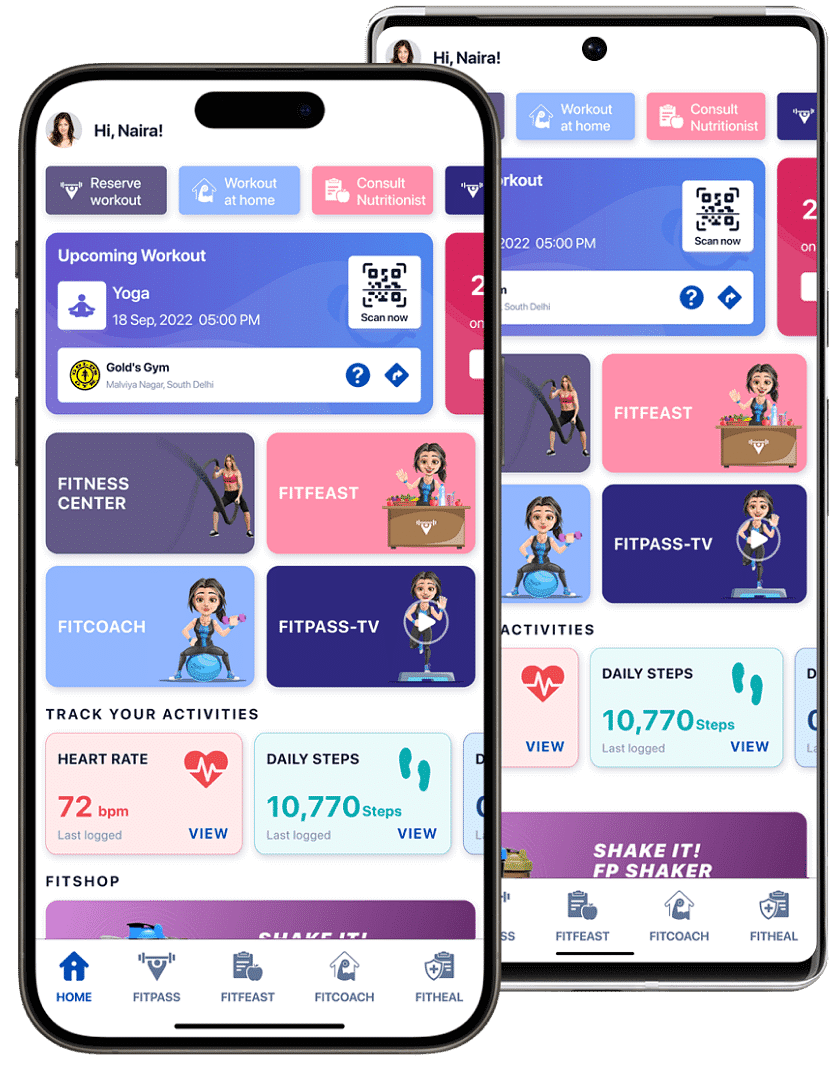
If you need help staying consistent, platforms like FITPASS make it easier by giving you access to a variety of sports facilities, training sessions, and fitness classes, all under one membership.
I still remember the year I started playing football regularly. At first, it was just about staying fit, but within months, I noticed massive changes. My energy levels improved, my stress reduced, and I became more disciplined in my daily routine. The best part was the camaraderie; playing with the same group every week built friendships that extended off the field.
A friend of mine, who was initially hesitant to join, saw such significant improvements in his stamina and confidence that he went on to represent our local club. Sports didn’t just change our bodies; they reshaped our lives.
From boosting fitness and health to nurturing essential life skills, the benefits of sports are undeniable. They form the backbone of a healthy, happy, and balanced life. Whether you’re picking up a racket, kicking a ball, or trying something new, the important thing is to stay active and consistent.
Sports are for everyone, every age, every skill level, every goal. Start today, and you’ll thank yourself tomorrow.