Running is one of the most rewarding workouts, but when the temperature rises, it comes with unique challenges. Heat, humidity, dehydration, and even clothing choices can make or break your run. If you’re wondering how to run in hot weather safely while still enjoying the benefits of outdoor exercise, you’re in the right place. This blog will share practical running in summer, insights into summer running gear, and proven strategies to help you enjoy your workouts even during the hottest months.
- Always wear lightweight, moisture-wicking gear like CoolMax or DryFit when running in summer.
- Choose the best running shoes for summer with breathable mesh to avoid sore feet and blisters.
- Hydration is crucial; use hydration packs, fuel belts, or water bottles.
- Run early morning or late evening to avoid peak heat.
- Be mindful of summer running safety: recognise signs of heat-related illness.
- If it’s too hot outside, consider treadmill running as an alternative.
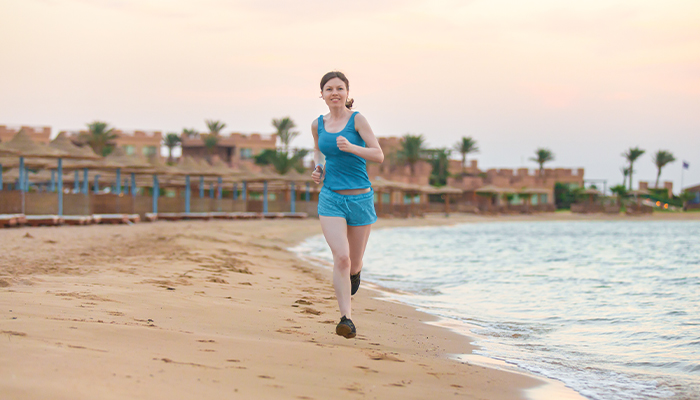
Running in warm weather means your body works harder to regulate temperature. Sweating is the body’s natural cooling mechanism, but excessive heat can lead to dehydration and lower performance. A study published in the Journal of Applied Physiology found that running in high temperatures significantly increases heart rate and perceived effort compared to cooler conditions. This explains why your usual pace might feel tougher in July than in January.
The key is not to stop running but to adapt. With the right summer fitness tips, you can continue enjoying your outdoor workouts while keeping safety in check.
When it comes to summer running outfits, fabric is everything. Avoid cotton track wear because it traps sweat and causes discomfort. Instead, opt for the best fabrics for summer running, such as:
- DryFit running clothes – Lightweight and breathable.
- CoolMax running apparel – Excellent for moisture management.
- Thermax workout gear and Thinsulate sportswear – Advanced fabrics that keep you cool and dry.
Loose-fitting running gear works best in summer as it allows air circulation. Women often prefer lightweight running clothes with built-in ventilation, while men may stick to breathable shorts and vests. Don’t forget accessories like a broad-brimmed running hat and sunglasses for running to protect against harsh sunlight.
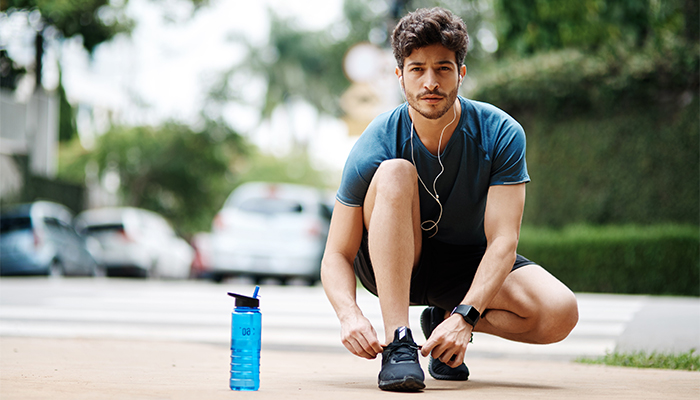
Your feet take the most stress during runs, especially in hot weather. The best running shoes for summer are those with breathable mesh uppers that allow airflow and prevent overheating. When choosing running shoes, pay attention to:
- Fit – Use proper running shoe fit tips to avoid blisters and discomfort.
- Support – Select running trainers that provide cushioning for long distances.
- Comfort – Prioritise comfort over style to prevent sore feet.
According to experts at the American College of Sports Medicine, wearing inappropriate footwear in summer increases the risk of blisters, which are already common in humid conditions. That’s why running shoes for comfort with sweat-wicking socks are non-negotiable.
One of the most important hot-weather running tips is to focus on hydration. Sweating depletes fluids and electrolytes quickly. To stay safe, follow these hydration essentials:
- Carry water bottles for running if running short distances.
- For longer runs, use hydration packs for runners or fuel belts for runners.
- Sip regularly instead of gulping down large amounts at once.
A study by the National Athletic Trainers’ Association shows that losing just 2% of body weight through sweat can impair performance and increase the risk of heat-related illness. So, staying hydrated while running isn’t just a tip; it’s a must.
Summer running safety should never be taken lightly. Heat-related illness prevention requires awareness. Watch out for:
- Heat exhaustion – Symptoms include dizziness, nausea, and heavy sweating.
- Heat stroke – A medical emergency where body temperature rises dangerously high.
Cooling tips for runners include running in shaded areas, wearing light-coloured clothing, and using a cooling towel post-run. If conditions feel unsafe, don’t hesitate to switch to a treadmill running alternative indoors. Safety always comes first.

If you’re serious about running in the heat, timing matters. The best times are early morning or late evening when the sun is lower, and the humidity is manageable. Avoid running between 11 am and 4 pm, when temperatures peak.
Planning your route also helps. Choose parks, tree-lined streets, or riverside paths where shade is plentiful. This small adjustment can make your summer outdoor workout much more pleasant.
Besides technical fabrics, choosing the right accessories makes a big difference. A broad-billed running hat shields your face, while lightweight sunglasses for running protect your eyes. For longer runs, lightweight sweatbands can help keep sweat from dripping into your eyes.
Many runners swear by lightweight running clothes with mesh panels that allow cooling airflow. Remember, comfort directly impacts performance.
Beyond hydration, smart cooling techniques can boost performance:
- Pre-cool by drinking cold water or applying ice packs before a run.
- Take breaks in shaded areas to lower body temperature.
- Splash water on your face and wrists mid-run for instant relief.
These small strategies can improve endurance and help you maintain a steady pace, even when running in high temperatures.
Sometimes the weather is simply too harsh. On days when outdoor running feels unsafe, consider treadmill running as an alternative. It allows you to keep up your mileage in a climate-controlled environment.
Alternatively, mix in other summer outdoor workouts such as cycling, swimming, or bodyweight training in shaded parks. These still burn calories and contribute to your overall fitness goals.

It’s natural for performance to dip in summer. Heat slows your pace and increases effort. But don’t be discouraged. Tracking your runs using fitness apps or wearables helps you monitor progress realistically.
Interestingly, research shows that training in heat can improve endurance. Known as "heat acclimatisation," gradually increasing exposure to warm conditions can train your body to adapt, making cooler runs feel easier later on.
Last June, I decided to keep up my 5K routine despite soaring temperatures. Initially, I struggled, my pace dropped, and I felt drained. But after making simple changes like switching to CoolMax running apparel, using a hydration pack, and choosing shaded trails, my runs became far more manageable.
I also discovered the value of running shoes for comfort rather than style, which prevented blisters. Within weeks, not only did I adapt to the heat, but I also felt stronger during cooler-weather runs. It’s proof that with the right summer running performance gear, running in summer can be both safe and enjoyable.
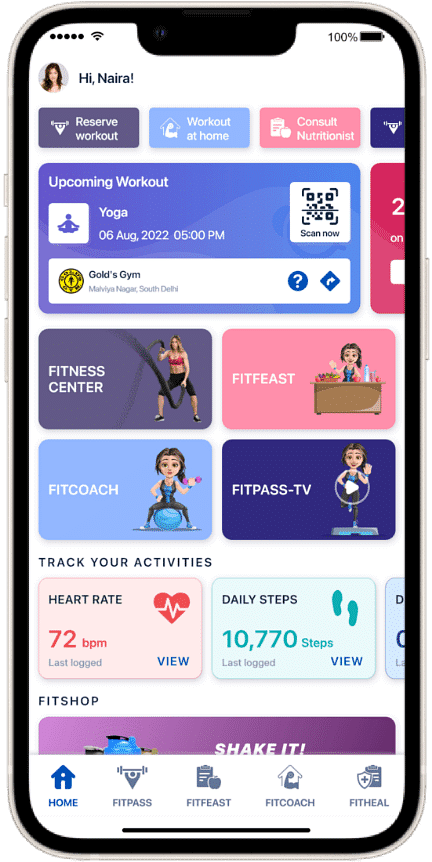
Staying consistent in summer can be tough, but platforms like FITPASS make it easier. From indoor workout options to expert nutrition advice, FITPASS helps you stay on track even when outdoor runs aren’t practical. It’s about flexibility and choosing what keeps you active without compromising safety.
Running in summer doesn’t have to be daunting. With the right summer running gear, hydration strategies, and safety precautions, you can enjoy every stride, even in the heat. Remember, it’s not about pushing through recklessly but adapting smartly. Whether you’re running outdoors, switching to a treadmill, or mixing in other workouts, the goal is to keep moving safely.