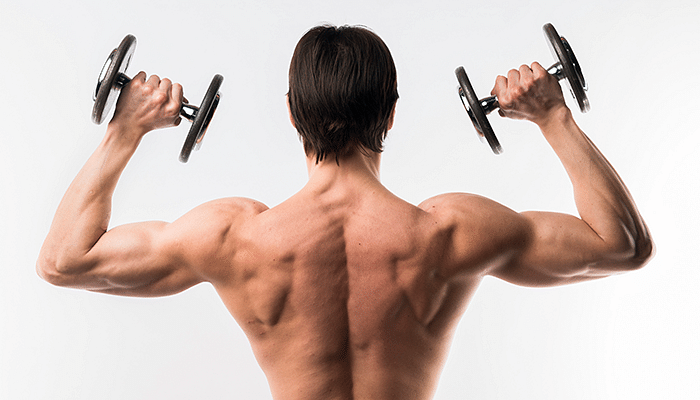
The shoulder is the most mobile joint in the human body, which also makes it one of the easiest to strain when the surrounding muscles are weak. Today, shoulder weakness is very common. Long hours at a desk, constant phone use, and a lack of upper-body movement gradually weaken the muscles around the shoulder joint.This includes the larger muscles that lift the arm as well as the smaller stabilising muscles that help control the joint during movement. Over time this can lead to poor posture, neck pain, frozen shoulder, and a higher risk of injury during everyday tasks such as lifting grocery bags, reaching overhead, or picking up a child.
Strengthening your shoulders:
- Improves posture and reduces neck and upper back pain
- Makes daily tasks like carrying, pushing, and reaching easier and safer
- Reduces the risk of rotator cuff injuries and shoulder impingement
- Improves performance in sports, yoga, swimming, and HIIT
- Builds a lean, toned upper body appearance
For a detailed explanation of shoulder muscles and how each exercise targets them, read our Complete Shoulder Workout Guide. This guide explains how to strengthen your shoulders step-by-step and prepare them for more advanced workouts later.
Who Should Do Shoulder Strengthening Exercises
These exercises are useful for almost everyone, especially:
Office workers: Long sitting hours and keyboard use cause rounded shoulders and weak upper back muscles.
Students: Continuous phone and laptop use leads to forward head posture and shoulder stiffness.
Women starting fitness: Shoulder strengthening improves posture, confidence, and daily functional strength.
Seniors: Gentle strengthening helps maintain mobility and independence in daily activities.
Gym beginners: Building shoulder stability early prevents injuries when starting weight training.
Shoulder Training: Men vs. Women
A common question is whether men and women should train shoulders differently. The exercises are largely the same, but the approach differs:
|
Factor
|
Men
|
Women
|
|
Primary Goal
|
Mass, strength, width
|
Tone, definition, posture
|
|
Recommended Rep Range
|
6-10 reps (heavier weight)
|
12-15 reps (moderate weight)
|
|
Volume
|
16-20 sets/week
|
12-15 sets/week
|
|
Focus Area
|
Lateral + anterior delt for V-taper
|
Rear delt + lateral delt for posture and shape
|
|
Bulk Risk
|
Higher with progressive overload
|
Very low, due to lower testosterone
|
|
Best Starter Exercise
|
Barbell overhead press
|
Seated dumbbell press or lateral raises
|
For women specifically: Shoulder training will NOT make you bulky. Women have significantly lower testosterone than men, making large-scale muscle gain physiologically very difficult without deliberate, prolonged heavy training. What shoulder exercises will do is build a lean, toned upper body, improve posture, and reduce chronic neck and back pain.
Before You Begin: Quick Shoulder Warm-Up (5 Minutes)
Always warm up your shoulder joint before any strengthening exercise. This increases blood flow and reduces injury risk:
- Shoulder Rolls : 10 reps forward, 10 reps backward
- Arm Circles : 20 small circles each direction
- Cross-Body Arm Swings : 20 reps, swinging both arms across your chest
- Neck Tilt Stretch : 20 seconds each side to release upper trap tension
- Wall Slides : Stand with back against a wall, slide arms up and down in a "Y" shape, 10 reps
Shoulder Exercises from Beginners to Advanced
These movements use only your bodyweight or very light resistance. Focus on learning the correct movement pattern before adding any weight.
1. Shoulder Blade Squeeze
This is the single best starting exercise for anyone with rounded shoulders or desk-job posture. No equipment needed.
How to do it:
- Sit or stand upright with a neutral spine
- Squeeze your shoulder blades together as if you are trying to hold a pencil between them
- Hold for 5 seconds, then release completely
- Perform: 3 sets of 10 reps
Why beginners love it: Zero risk of injury, can be done seated at a desk, and immediately improves posture awareness.
2. Wall Push-Ups

A wall push-up is the safest entry point for shoulder pressing strength, far easier on the joints than floor push-ups.
How to do it:
- Stand an arm's length from a wall, feet shoulder-width apart
- Place both palms on the wall at shoulder height and shoulder-width apart
- Bend your elbows and lean your chest toward the wall
- Push back to the starting position
- Perform: 3 sets of 10–12 reps
Progression tip: As you get stronger, step further away from the wall to increase the angle and resistance.
3. Pike Push-Ups
The most effective bodyweight shoulder exercise. It can be done anywhere, no equipment required.
How to do it:
- Start in a downward dog position - hips raised high, forming an inverted V
- Bend your elbows and lower the crown of your head toward the floor between your hands
- Press back up explosively to the starting position
- Perform: 3 sets of 8–12 reps
Progression: Walk feet closer to hands or elevate feet on a chair to increase angle and intensity.
4. Front Arm Raise
One of the safest and most beginner-friendly shoulder exercises. Works well with water bottles when dumbbells are unavailable.
How to do it:
- Stand or sit upright, arms at your sides, palms facing your thighs
- Slowly raise both arms directly in front of you to shoulder height
- Hold for 2 seconds at the top , feel the front delt engage
- Lower back down slowly over 3 seconds
- Perform: 3 sets of 10–12 reps
Tip: Avoid swinging your torso. Keep the movement slow and deliberate.
5. Dumbbell Overhead Shoulder Press
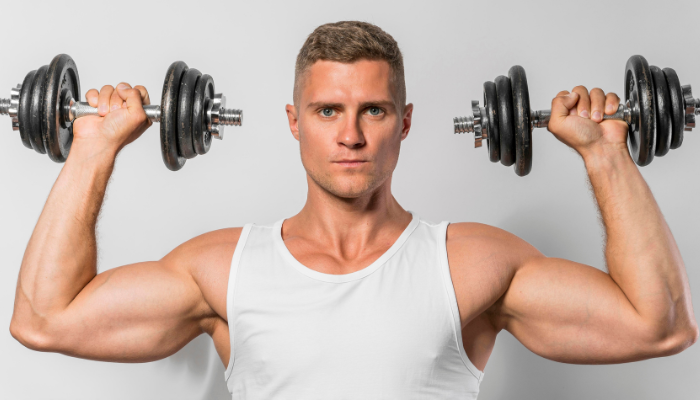
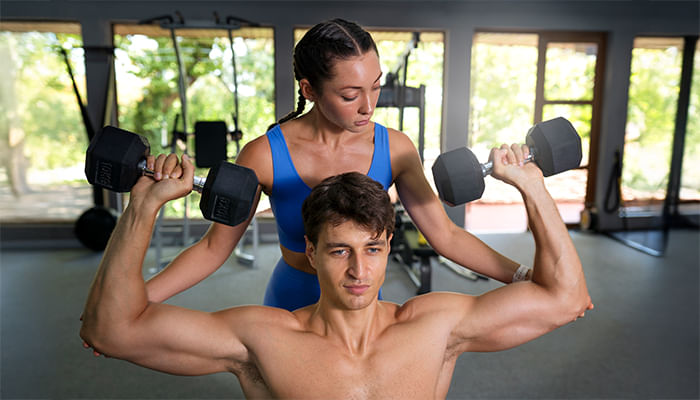
The dumbbell overhead press is one of the fundamental movements for building strong and balanced shoulders. Because each arm works independently, it improves stability, muscle coordination, and helps correct strength imbalances. The seated variation is especially helpful for beginners as it reduces excessive lower-back involvement and allows better control of the movement.
How to do it:
- Sit or stand upright, dumbbells at shoulder height, palms facing forward
- Press both dumbbells overhead until arms are fully extended and avoid locking elbows
- Lower back to shoulder height in a slow, controlled motion
- Perform: 3–4 sets of 10–12 reps
Men's tip: Progress to a standing barbell overhead press for greater core activation and heavier loading.
Women's tip: Start with 3–5 kg dumbbells and focus on full range of motion before increasing weight.
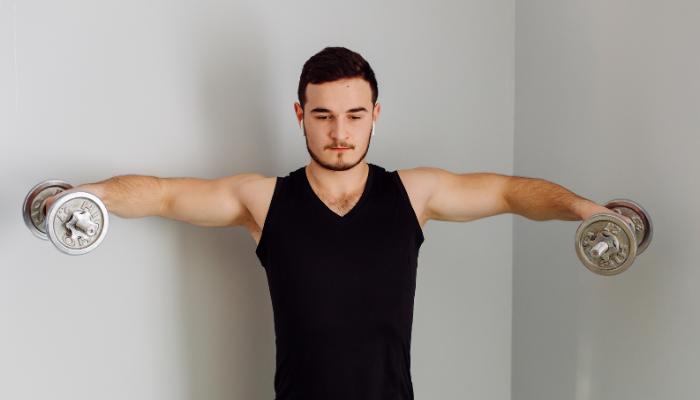
6. Lateral Raises
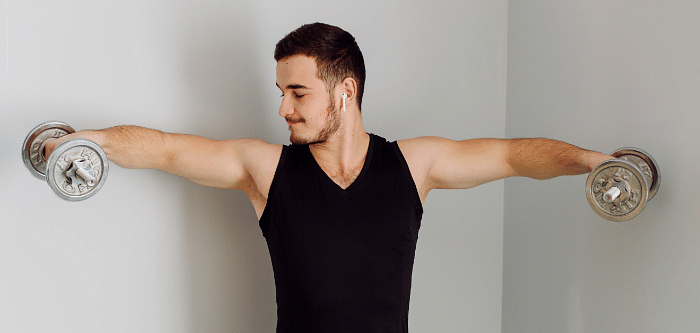
Lateral raises isolate the middle deltoid, the muscle primarily responsible for shoulder width and a rounded shoulder appearance. Unlike pressing movements, this exercise does not rely on heavy weight. Instead, proper control and positioning determine its effectiveness.
How to do it:
- Stand with dumbbells at your sides, slight bend in the elbows
- Raise both arms out to the sides until parallel to the floor, palms facing down
- Pause at the top, resist the urge to shrug your traps
- Lower slowly over 3–4 seconds
- Perform: 3–4 sets of 12–15 reps
Tip: Use lighter weight than you think necessary. Cheating with momentum completely defeats the purpose of this isolation movement.
7. Arnold Press
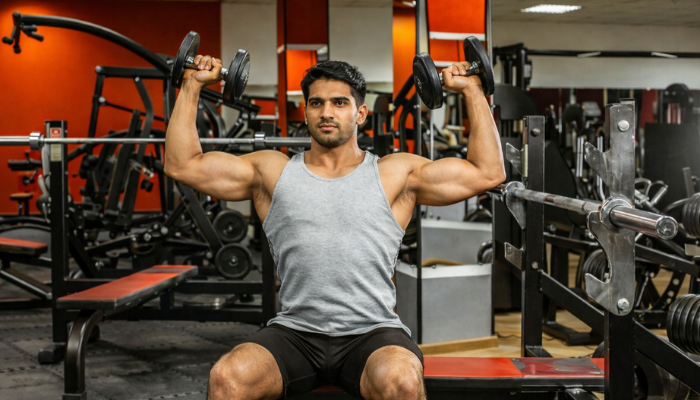
The Arnold press adds a rotational component to the traditional shoulder press. The movement increases the range of motion and recruits more muscle fibers across the front and side deltoids, making it an effective progression once the standard press is comfortable.
How to do it:
- Sit upright holding dumbbells at shoulder height, palms facing your body (as if at the top of a bicep curl)
- As you press overhead, rotate your wrists outward so palms face forward at the top
- Reverse the rotation as you lower back to the starting position
- Perform: 3 sets of 10–12 reps
Tip: Go slightly lighter than your normal overhead press to account for the increased range of motion.
8. Bent-Over Lateral Raises (Reverse Fly)
The rear deltoid is often neglected because it is not visible in the mirror during training. However, it plays a major role in posture and shoulder stability. Strengthening this muscle helps counteract rounded shoulders caused by prolonged sitting and screen use.
How to do it:
- Stand with feet hip-width apart, hinge forward at the hips to a 45-degree angle, back flat
- Hold dumbbells hanging down, slight bend in elbows
- Raise both arms out to the sides until parallel to the floor
- Squeeze your shoulder blades together at the top for 1–2 seconds
- Lower slowly
- Perform: 3–4 sets of 12–15 reps
9. Upright Rows
Upright rows combine shoulder and upper-back activation, making them useful for overall shoulder development when performed correctly. However, form is important because improper technique can stress the shoulder joint.
How to do it:
- Hold dumbbells or a barbell with an overhand grip at thigh level, hands slightly inside shoulder-width
- Pull the weight straight up toward your chin, leading with your elbows
- Keep the bar or dumbbells close to your body throughout
- Lower back to the starting position under control
- Perform: 3 sets of 10–12 reps
Important: Keep your grip inside shoulder-width. A wide grip can impinge the shoulder joint.
10. Face Pulls
Face pulls are one of the most valuable exercises for shoulder health. They strengthen the stabilizing muscles of the shoulder joint and balance the heavy pressing exercises common in most workout routines.
How to do it:
- Attach a rope to a cable machine at face height (or anchor a resistance band at face level)
- Grip both ends with an overhand grip, step back to create tension
- Pull the rope toward your face, flaring elbows out and externally rotating at the end of the movement
- Pause, then return slowly to the start
- Perform: 3 sets of 15–20 reps
Tip: This is a high-rep, controlled movement. Ideal to include at the end of every upper body session regardless of training goal.
11. Barbell Overhead Press (OHP)

The barbell overhead press is a classic compound movement for building upper-body strength. Unlike seated pressing variations, the standing OHP requires full-body stability. Your shoulders generate the force while the core, glutes, and upper back work together to stabilise the weight overhead.
How to do it:
- Stand with feet shoulder-width apart, barbell racked at shoulder height
- Grip the bar just outside shoulder-width, brace your core and glutes
- Press the barbell directly overhead until arms are fully locked out
- Lower the bar back to shoulder height under full control
- Perform: 4 sets of 6–8 reps (heavy)
Tip: Avoid excessive lower back arch as you press. Keep ribs down and core tight throughout.
12. Cable Lateral Raises
Cable lateral raises provide continuous resistance throughout the movement, especially at the bottom position where dumbbells usually offer minimal tension. This makes them a useful variation once you have learned proper shoulder control with standard lateral raises.
How to do it:
- Stand sideways to a low cable pulley, grip the handle with your outer hand
- Keep a slight bend in your elbow and raise your arm laterally to shoulder height
- Hold for 1 second at the top
- Lower slowly with full control
- Perform: 3–4 sets of 12–15 reps each side
13. Dumbbell Shrugs
Shrugs strengthen the upper trapezius muscles, which support the neck, stabilise the shoulder blades, and assist in carrying and pulling movements. Strong traps also help improve posture and shoulder stability during heavier lifts.
How to do it:
- Stand holding dumbbells at your sides, feet shoulder-width apart
- Shrug your shoulders straight up toward your ears as high as possible
- Hold for 1–2 seconds at the top — squeeze your traps
- Lower slowly — do not roll your shoulders
- Perform: 3 sets of 12–15 reps
Common Shoulder Training Mistakes
- Skipping rear delts : Most people over-train front and side delts, creating a muscular imbalance that causes shoulder rounding and injury
- Too much weight on lateral raises : This is an isolation exercise; cheating with momentum shifts load to the traps, not the delts
- Ignoring the rotator cuff : face pulls, band pull-aparts, and external rotations are non-negotiable for shoulder longevity
- No warm-up : The shoulder joint has the widest range of motion in the body, but that also makes it vulnerable when stiff. Starting heavy presses without preparing the joint increases the chance of strains. A few minutes of light mobility drills, band work, and gradual warm-up sets prepares the muscles and improves lifting performance.
- Training through joint pain : muscle burn is normal; sharp, clicking, or pinching pain in the joint means stop and rest
Ready-to-Use Shoulder Workout Plans
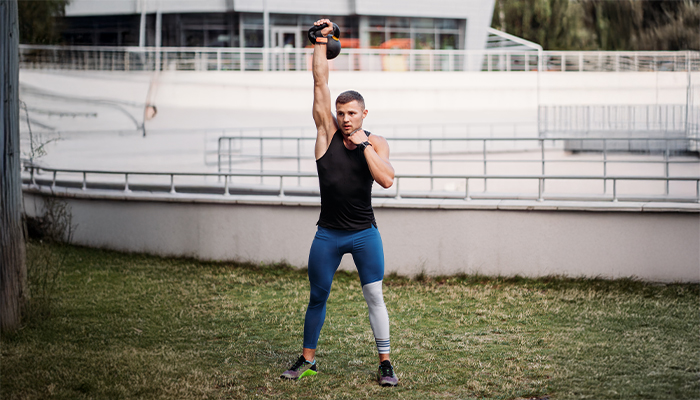
Beginner Plan — Home (No Gym) | 2x Per Week
|
Exercise
|
Sets
|
Reps
|
|
Shoulder Rolls + Wall Slides (warm-up)
|
1
|
10 each
|
|
Wall Push-Ups
|
3
|
10–12
|
|
Front Arm Raise
|
3
|
10–12
|
|
Shoulder Blade Squeeze
|
3
|
10 (5 sec hold)
|
|
Pike Push-Ups
|
3
|
8–10
|
Intermediate Plan — Gym | 2–3x Per Week
|
Exercise
|
Sets
|
Reps
|
|
Dumbbell Overhead Press
|
4
|
10–12
|
|
Lateral Raises
|
4
|
12–15
|
|
Arnold Press
|
3
|
10–12
|
|
Bent-Over Lateral Raises
|
3
|
12–15
|
|
Face Pulls
|
3
|
15–20
|
|
Upright Rows
|
3
|
10–12
|
Advanced Plan — Gym | 3x Per Week
|
Exercise
|
Sets
|
Reps
|
Notes
|
|
Barbell Overhead Press
|
4
|
6–8
|
Heavy — compound first
|
|
Arnold Press
|
3
|
10–12
|
Full rotation
|
|
Cable Lateral Raises
|
4
|
12–15
|
Constant tension
|
|
Front Arm Raise
|
3
|
10–12
|
Controlled tempo
|
|
Bent-Over Lateral Raises
|
4
|
12–15
|
Squeeze at top
|
|
Face Pulls
|
3
|
15–20
|
Rotator cuff finisher
|
Start Training Your Shoulders Today
These exercises help build the foundation of shoulder health through better mobility, control, and stability. Once your shoulders feel stronger and comfortable, you can gradually move into a structured muscle-building routine.
Healthy shoulders develop over time. Beginning with simple strengthening movements protects the joint, improves posture, and prepares your body for more advanced training.
Consistency matters more than intensity. Spending a few minutes on shoulder strengthening several times each week can prevent long-term stiffness and help you move comfortably during both workouts and everyday activities.