Holi is a festival of joy, colours, laughter and feasting. But amidst all the merriment, it’s easy to lose track of what we eat, overindulge in sweets, or skip workouts. With a little planning and mindful habits, you can enjoy Holi energetically without compromising your health. In this blog, I’ll share healthy Holi tips, Holi diet tips, Holi nutrition tips, Holi fitness guide and more, so you can celebrate and feel good about it too.
Key Takeaways
- Begin the day with a light, healthy Holi breakfast (e.g. poha, oats, idlis) to curb cravings.
- Use portion control and plan your Holi meals (snacks + sweets).
- Stay well hydrated during celebrations, and drink water steadily.
- Opt for healthier versions of traditional treats (e.g. baked gujiya, fruit-stuffed sweets).
- Keep moving: include a Holi fitness routine or light activity (games, walking).
- Use the festival as a rest day or active day, not a “cheat day” excuse.
- After Holi, detox with light meals, fruits, curd, and fibre.
Why “Healthy Holi” Matters
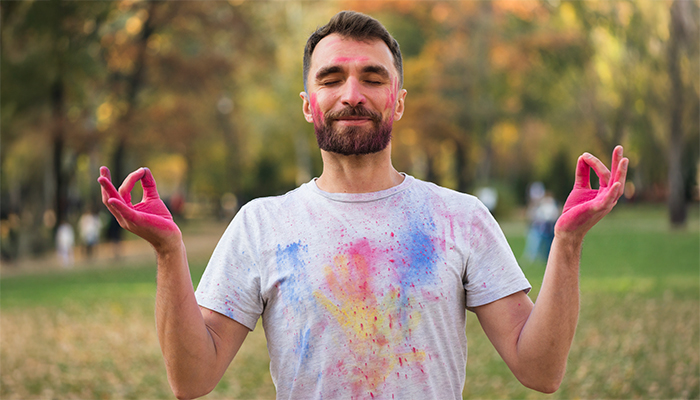
Holi, like many festivals, has the potential to disrupt our usual diet and fitness habits. A review on how holidays impact weight shows that during festive periods, many people gain weight owing to indulgent eating and less activity.
During Holi, the temptation is high: sweets, fried snacks, high-sugar drinks, and skipping regular meals are common. Overeating can lead to bloating, indigestion, spikes in blood sugar and fatigue.
Also, when we delay or skip breakfast or wait until late evening to eat heavily, we increase the chances of overeating. A study in the International Journal of Obesity found that people are more likely to overeat in the evening because of hormonal changes, the appetite-suppressing hormone (PYY) is lower, and ghrelin (hunger hormone) is higher.
So, having a strategy in place for healthy eating during festivals is not just a nice idea; it’s essential for maintaining energy and avoiding regret later.
Planning Your Holi Nutrition Strategy
Pre-Holi: Prepare Your Body & Mind
1. Set a flexible calorie limit
You don’t need to go into festival mode with zero plan. Decide on a rough calorie “buffer” you’re okay with. Think of Holi as a moderate indulgence rather than a free pass. This mindset helps with weight management.
2. Eat a light, balanced breakfast (or brunch)
A good light breakfast for Holi helps prevent intense hunger pangs later. Some ideas:
- Poha for breakfast with veggies and peanuts
- Oatmeal breakfast ideas: oats cooked in milk or plant milk, topped with nuts, seeds, and fruit
- Oats and veggie idlis: Mix oats in the idli batter with grated vegetables
- Brown bread dahi vada (with minimal oil)
These are healthy Holi breakfast options that stabilise blood sugar and keep you satiated.
3. Light workout/movement
If you feel like it, go for a short pre-Holi workout or brisk walk. This primes your metabolism and offsets a bit of the festival indulgence. But don’t overdo it, you don’t want to exhaust yourself before the fun begins.
4. Hydrate well in advance
Start your day by drinking water, coconut water or a lightly salted lemon water. Staying well hydrated before the festivities helps prevent dehydration, especially in warm weather. This is part of the Holi hydration strategy.
During Holi: Eat Smart, Move More, Hydrate Often
Smart Meal & Snacking Tactics
1. Portion control during Holi
Everything in moderation. Try using smaller plates or serving spoons. Avoid going back for seconds immediately. Avoiding overeating during Holi is easier when you consciously limit portions.
2. Healthy Holi snack ideas
- Sprout chaat or bean salad
- Sliced fruit with a dash of chaat masala
- Roasted makhana (fox nuts)
- Mixed seeds and nuts
- Vegetable sticks with a probiotic dip (e.g. curd + herbs)
These give you nutrients and crunch without a sugar/fat overload.
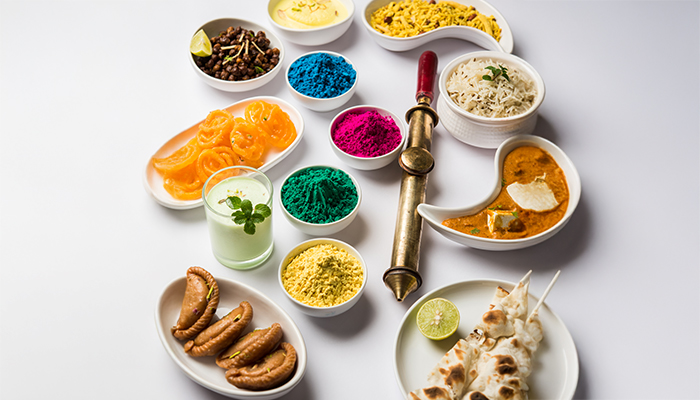
3. Healthier versions of typical Holi treats
- Baked gujiya recipe, or oven-baked rather than deep-fried
- Fruit-stuffed gujiya or dry fruit versions
- Pineapple coconut rabri with low-fat milk and natural sweeteners
- Use jaggery, honey or dates instead of refined sugar
- Use whole wheat, oats, or almond flour in sweets rather than all refined flour
These adjustments help you enjoy traditional healthily during festivals.
4. Timing & spacing your meals
Aim to eat earlier in the day rather than all at night. Due to the evening hunger effect (see the study above), late heavy meals often lead to overconsumption.
So if you have a festive lunch, then mid-afternoon snacks, and a lighter dinner, you’ll feel better and avoid that “stuffed, bloated” feeling.
Hydration & Liquid Choices
1. Drink water during celebrations
Carry a bottle and sip consistently. Avoid gulping down a lot of liquid only when you feel parched. Use drinking water during celebrations as your default.
2. Include hydrating options
- Coconut water
- Buttermilk (chaas)
- Lemon water, possibly with a pinch of salt
- Infused water (cucumber, mint, lemon)
This approach helps with avoiding dehydration in Holi.
3. Limit sugary drinks or alcohol
High-sugar or carbonated drinks can dehydrate you further, spike insulin, and add empty calories. Try to stick to water or minimally sweetened natural drinks.
Keep Moving: Active Festival

Rather than sitting indoors after eating, use Holi as an opportunity to stay active.
- Play outdoor games (water balloon toss, catch, pithoo, frisbee)
- Dance to music
- Walk between spots rather than drive
- Use this as a calorie-burning Holi activity chance
Treat the festival as your Holi fitness motivation, fun + movement.
If you have a membership or platform like FITPASS, you could even squeeze in a light gym session or group activity before or after colours. (Just a soft mention, I’m not promoting, just noting the possibility.)
If your body feels weary, you can use Holi as a rest day, one day off, but don’t go sedentary all day. Gentle stretching or a light walk still helps.
Post-Holi: Recovery, Reset & Detox
Gentle Return to Routine
1. Begin with light meals
Start with easy-to-digest foods: khichdi, dal, rice, curd, and soups. This helps your digestive system reset. Many nutritionists recommend that, after overeating, going for gut-friendly foods is key.
2. Focus on fibre, probiotics, and water
Foods like green salads, fruits, seeds (chia, flax), and probiotic curd or yoghurt help restore gut health.
3. Detox gently
A “detox” doesn’t mean fasting hard; just keep meals light, water intake high, and choose nutrient-rich foods. For instance, lime water, fruits, and herbal teas.
4. Resume workout mindfully
Start with light movement, walking, yoga, and gentle strength work. Don’t try to “burn it all off” in one session. Your body needs time to recover.