Loading...
loading...

Yes, they commonly drop due to increased blood volume. Doctors monitor haemoglobin levels in pregnancy closely to ensure they stay within safe limits.
Menstruation, pregnancy, low nutrition, illness, digestive issues, stress, and certain medical conditions can cause haemoglobin levels to drop.
Haemoglobin level for various age group are- Newborns: 14-24 g/dL, children 1-6 years: 9.5-14 g/dL, teens: 12-16 g/dL (females) and 13-17 g/dL (males), adults: 12-15.5 g/dL (women) and 13.5-17.5 g/dL (men).
Eat iron-rich foods daily, pair with vitamin C, avoid tea/coffee with meals, ensure adequate B12 and folate, get 7-9 hours of sleep, manage stress, and exercise moderately.
Men tend to have higher levels due to muscle mass and hormones, while women experience drops due to menstruation, pregnancy, and hormonal changes.
Fatigue, pale skin, dizziness, breathlessness, hair thinning, and difficulty focusing are common symptoms.
Below 10 g/dL, persistent symptoms despite dietary changes, chest pain, severe breathlessness, or no improvement after 6-8 weeks of proper nutrition.

Feeling exhausted after a short walk, struggling to focus at work, or getting breathless while climbing stairs aren't just signs of a busy lifestyle. For many Indians, these early signals are a warning of low haemoglobin levels, a condition that silently affects energy, immunity, and overall well-being. India continues to face one of the highest anaemia rates in the world, with poor diet diversity, iron deficiency, and hectic routines being major contributors.
But the solution doesn't always start at a hospital. It often begins in your kitchen. Simple, nutrient-rich foods and everyday habits can naturally boost your haemoglobin and help your body carry oxygen more efficiently. This guide breaks down what healthy haemoglobin levels look like, why they drop, and the most effective Indian foods and lifestyle practices to rebuild them, so you can feel stronger, more active, and energised again.
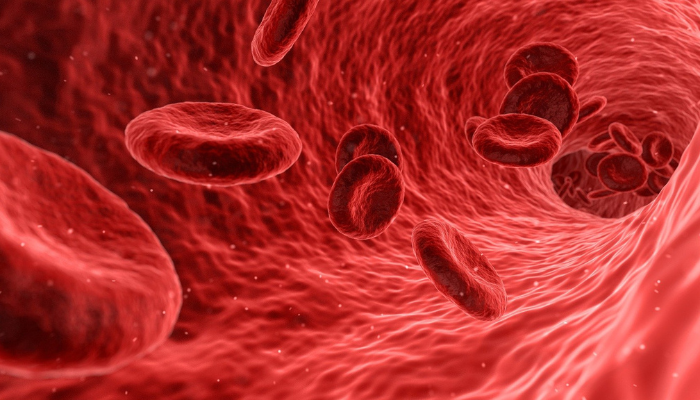
Haemoglobin is the protein in your red blood cells that carries oxygen throughout your body. Haemoglobin is measured in grams per deciliter (g/dL) of blood. A simple blood test reveals whether your red blood cells can carry enough oxygen to meet your body's needs.
When these levels drop, every cell in your body struggles to function properly. According to the National Family Health Survey (NFHS-5), 57% of Indian women between the ages of 15-49 have anaemia, while 25% of Indian men face the same issue. The Indian Council of Medical Research (ICMR) identifies poor nutrition, lack of awareness, and inadequate dietary diversity as the primary causes. The World Health Organisation estimates that anaemia affects cognitive development in children, reduces work productivity in adults, and increases health risks during pregnancy.
Children, adults, and elderly individuals all have different haemoglobin requirements based on their body's needs and developmental stage. Here's an easy-to-read chart:
|
Age Group |
Normal Haemoglobin Range (g/dL) |
|
Newborns (0-2 weeks) |
14.0 - 24.0 |
|
Infants (2-6 months) |
10.0 - 17.0 |
|
Babies (6 months - 1 year) |
9.5 - 14.0 |
|
Toddlers (1-2 years) |
10.5 - 13.5 |
|
Children (2-6 years) |
11.5 - 13.5 |
|
Children (6-12 years) |
11.5 - 15.5 |
|
Adolescent Boys (12-18 years) |
13.0 - 16.0 |
|
Adolescent Girls (12-18 years) |
12.0 - 15.0 |
|
Adult Men (18+ years) |
13.5 - 17.5 |
|
Adult Women (18+ years) |
12.0 - 15.5 |
|
Pregnant Women |
11.0 - 12.0 |
|
Elderly Men (65+ years) |
12.0 - 17.0 |
|
Elderly Women (65+ years) |
11.5 - 16.0 |
Yes, poor dietary habits are a major cause of low haemoglobin levels. When your diet lacks essential nutrients, your body cannot produce enough healthy red blood cells, leading to nutritional deficiency anaemia.
|
Dietary Pattern |
Impact on Haemoglobin |
|
Vegetarian diets (poorly planned) |
Higher anaemia rates due to lower iron absorption from plant foods |
|
Frequent junk food |
67.6% anaemia rate among regular consumers vs. 2.7% in non-consumers |
|
Restrictive weight-loss diets |
Significantly lower haemoglobin, ferritin, and B12 levels |
|
Low consumption of iron-rich foods |
Direct correlation (0.721) between iron intake and haemoglobin |
Nutrient-rich foods and smart meal combinations can help you naturally boost your haemoglobin without relying on supplements. Here's a list of the most effective foods that support healthy haemoglobin levels:-
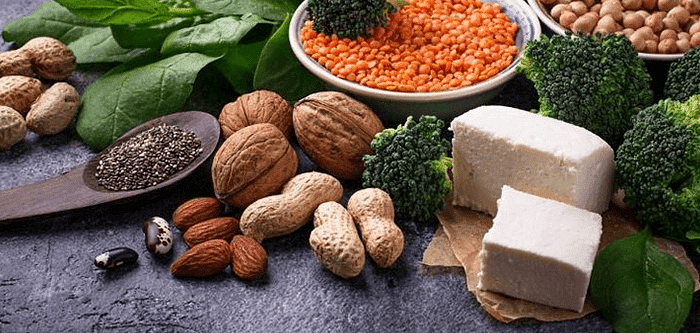
Iron is the most important nutrient for increasing haemoglobin. Animal foods provide heme iron, which is absorbed better, while plant foods provide non-heme iron, which needs vitamin C for better absorption. Both play an important role in improving haemoglobin levels naturally.
|
Food Item |
Iron (mg per 100g / per serving) |
Notes |
|
Chicken liver |
9-11 mg |
One of the richest natural iron sources. |
|
Mutton (goat meat) |
3.0-3.5 mg |
Excellent for non-vegetarians. |
|
Fish (various types) |
1-3 mg |
Easy to digest, good weekly choice. |
|
Prawns |
1.7-2.0 mg |
Low-calorie, nutrient-dense option. |
|
Egg (1 whole egg) |
0.9-1.2 mg |
Simple addition to breakfast. |
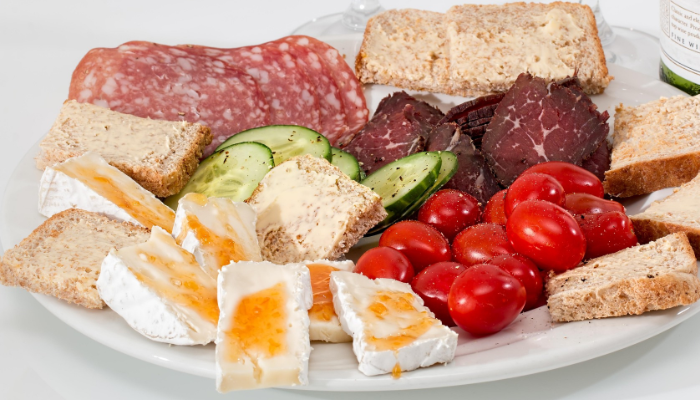
Plant iron needs vitamin C for better absorption. Include lemon, amla, or tomatoes with these foods for maximum benefit.
|
Food Item |
Iron (mg per 100g / per serving) |
Notes |
|
Amaranth leaves (chaulai) |
5.2-5.4 mg |
Highly recommended for vegetarians. |
|
Spinach (palak) |
3.5-3.6 mg |
Works well in soups & sabzis. |
|
Drumstick leaves (moringa) |
4.0-4.6 mg |
A powerful nutritional booster. |
|
Fenugreek leaves (methi) |
3.7-4.0 mg |
Good for daily cooking. |
|
Black chickpeas (kala chana, boiled) |
6.0-6.2 mg |
Very high iron source. |
|
Lentils (masoor dal, boiled) |
3.0-3.3 mg |
Affordable and easy to digest. |
|
Kidney beans (rajma, boiled) |
2.6-2.9 mg |
Popular Indian staple. |
|
Pumpkin seeds |
3.5-4.2 mg per 30g |
Great snack for improving iron. |
|
Sesame seeds (til) |
4.0-4.1 mg per 30g |
Use in ladoos or chutneys. |
|
Dates |
0.8-1.0 mg per 100g |
Natural sweetness with iron. |
|
Jaggery (gur) |
10-11 mg per 100g |
Better than sugar for haemoglobin. |
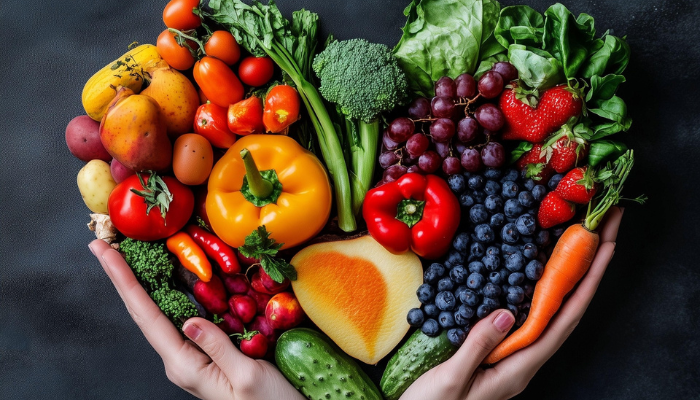
Your body absorbs plant-based iron much better when it's paired with vitamin C. Simple meal tweaks like squeezing lemon on dal or eating guava as a snack can significantly improve absorption.
|
Food Item |
Vitamin C (mg per 100g) |
Notes |
|
Amla |
600-700 mg |
One amla equals multiple oranges in vitamin C. |
|
Guava |
200-230 mg |
One of the richest sources. |
|
Bell peppers |
120-130 mg |
Add raw for best results. |
|
Broccoli |
85-90 mg |
Light steaming preserves nutrients. |
|
Citrus fruits (orange, lemon) |
45-55 mg |
Easy to include daily. |
Folate helps your body make healthy red blood cells. Without enough folate, haemoglobin levels drop even if your iron intake is fine. Including these foods supports blood formation naturally.
|
Food Item |
Folate (mcg per 100g) |
Notes |
|
Spinach |
190-195 mcg |
Rich in folate and iron. |
|
Mustard greens (sarson) |
100-110 mcg |
Winter favourite with high nutrition. |
|
Beetroot |
105-110 mcg |
Supports both iron and folate levels. |
|
Black-eyed peas (lobia) |
200-210 mcg |
Excellent vegetarian folate source. |
|
Chickpeas (kabuli chana) |
170-180 mcg |
Works in salads, curries, and snacks. |
Vitamin B12 plays an essential role in red blood cell production and overall energy levels. Vegetarians are more likely to be deficient, so fortified foods or supplements may be necessary.
|
Food Item |
Vitamin B12 (mcg per 100g / per serving) |
Notes |
|
Fish |
4-10 mcg per 100g |
Boosts energy and blood health. |
|
Eggs |
0.5-0.6 mcg per egg |
Easy to add to meals. |
|
Milk |
1.0-1.2 mcg per cup |
Common diet staple. |
|
Curd (yoghurt) |
1.3-1.5 mcg per cup |
Good for digestion and B12. |
|
Fortified foods |
2-5 mcg per serving |
Great option for vegetarians. |
Vitamin A helps your body mobilise and use stored iron effectively. Adding these foods supports better haemoglobin production.
|
Food Item |
Vitamin A (mcg per 100g) |
Notes |
|
Carrots |
830-850 mcg |
Eat raw or cooked. |
|
Sweet potato |
900-960 mcg |
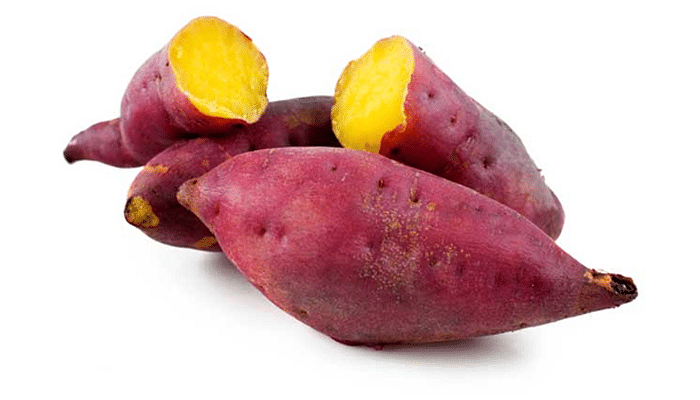
Highly nutritious and filling. |
|
Mango |
50-55 mcg |
Seasonal but beneficial. |
|
Drumstick leaves |
350-380 mcg |
One of the richest natural sources. |
|
Amaranth leaves |
140-150 mcg |
Easy to add to curries and dals. |
Even the healthiest food won't help if certain habits block iron absorption. A few timing adjustments can make your diet far more effective.
|
Factor |
Effect on Iron |
Recommended Timing |
|
Tea & Coffee (tannins) |
Reduce absorption by up to 60-70% |
Keep a 1-hour gap after meals. |
|
Calcium foods (milk, curd, paneer) |
Compete with iron |
Maintain a 2-hour gap from iron-rich meals. |
|
Phytates (in whole grains & legumes) |
Bind minerals and reduce absorption |
Soak, sprout, or ferment before cooking. |
Indian cooking wisdom actually enhances iron absorption:
Improving your haemoglobin levels naturally is absolutely achievable through smart dietary choices and consistent eating habits. The evidence is clear: what you eat directly impacts your blood health. Start with these immediate steps: Get your haemoglobin tested to establish your baseline, add one iron-rich food to every meal starting today, squeeze fresh lemon on dal, sabzi, and salads without exception, move tea time to at least 1 hour after meals, and if prescribed supplements, take them consistently with vitamin C.
Remember that consistency matters more than perfection. Small, consistent changes compound over weeks and months. Most people notice improved energy within 4-6 weeks of focused effort. Complete recovery, including iron store restoration, takes 3-6 months, but the transformation of more energy, sharper focus, stable mood, and overall vitality makes every effort worthwhile.
If your symptoms persist or your haemoglobin levels are significantly low, don't ignore it. Dietary changes help, but moderate to severe anaemia needs medical guidance and proper treatment. Get tested, understand your numbers, and make informed nutrition choices. Your energy, mood, and long-term health depend on it.
Your health is worth the effort, and your kitchen holds powerful tools to transform it.