Whether you're trying to lose weight, build muscle, improve your diet, or simply enjoy wholesome meals, sweet potatoes deserve a place on your plate. Their naturally sweet flavour, vibrant colour, and impressive nutrient profile make them one of the most versatile root vegetables available.
Sweet potatoes are more than just a healthier alternative to regular potatoes

Unlike many processed carbohydrate sources, sweet potatoes provide complex carbohydrates, dietary fibre, vitamins, minerals, and antioxidants in every serving. They can help fuel workouts, support digestion, promote healthy vision, and contribute to long-term heart health when included as part of a balanced diet.
They are also easy to prepare and work well in Indian meals, from roasted wedges and baked snacks to curries, salads, soups, and post-workout bowls.
In this guide, you'll learn everything you need to know about sweet potatoes, including their nutrition, health benefits, calories, glycaemic index, potential side effects, and the best ways to include them in your daily diet.
What Is a Sweet Potato?

Despite the name, sweet potatoes are not closely related to regular potatoes. They belong to a different botanical family and have a naturally sweet taste due to their carbohydrate composition.
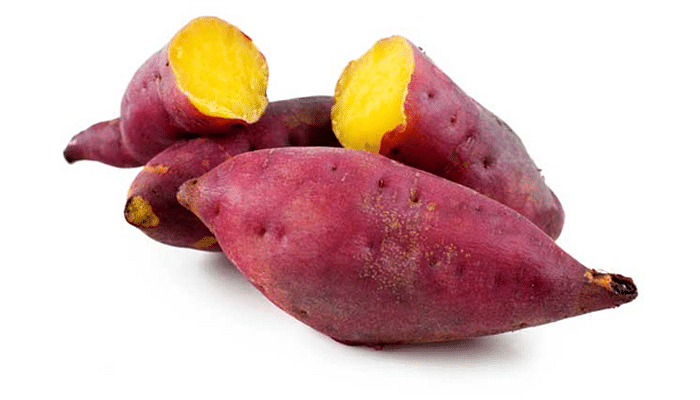
Sweet potatoes grow underground and are available in several varieties, including orange, white, purple, and red-skinned types. Each variety offers slightly different nutritional benefits, although all are considered healthy additions to a balanced diet.
Orange sweet potatoes are particularly rich in beta-carotene, which the body converts into vitamin A. Purple varieties contain anthocyanins, powerful plant compounds known for their antioxidant properties.
Their versatility makes them suitable for breakfast, lunch, dinner, snacks, and even healthy desserts.
Sweet Potato Nutrition Facts (Per 100 g, Boiled Without Skin)
| Nutrient |
Amount |
| Calories |
76 kcal |
| Water |
80.5 g |
| Carbohydrates |
17.7 g |
| Protein |
1.4 g |
| Total Fat |
0.1 g |
| Dietary Fibre |
2.5 g |
| Natural Sugars |
5.7 g |
| Potassium |
230 mg |
| Vitamin A |
709 µg RAE |
| Vitamin C |
12.8 mg |
| Magnesium |
25 mg |
| Calcium |
27 mg |
| Iron |
0.7 mg |
| Manganese |
0.3 mg |
Values are approximate and may vary depending on variety and cooking method.
Orange, Purple and White Sweet Potatoes
Not all sweet potatoes are the same. Different varieties offer unique nutritional advantages.
1. Orange Sweet Potatoes
These are the most common variety and are exceptionally rich in beta-carotene, which the body converts into vitamin A. They are ideal for supporting eye health, immunity, and healthy skin.
2. Purple Sweet Potatoes
Purple varieties contain anthocyanins, the same natural pigments found in blueberries and blackberries. These compounds have antioxidant properties that help protect cells from oxidative stress.
3. White Sweet Potatoes
White sweet potatoes have a milder flavour and slightly less beta-carotene than orange varieties. They still provide fibre, complex carbohydrates, potassium, and other essential nutrients.
There is no single "best" variety. Eating a range of colourful fruits and vegetables helps ensure a diverse intake of beneficial plant compounds.
Boiled vs Baked vs Roasted Sweet Potatoes
The way you cook sweet potatoes affects their texture, flavour, and nutritional profile.
Boiled Sweet Potatoes
- Soft and moist
- Generally lower glycaemic index
- Good option for blood sugar management
- Suitable for salads, mash, and curries
Baked Sweet Potatoes
- Naturally sweeter
- Crisp skin with a soft centre
- Requires little added oil
- Great as a complete meal base
Roasted Sweet Potatoes
- Caramelised flavour
- Slightly crisp outside
- Excellent for meal preparation
- Pair well with herbs and spices
Which cooking method is healthiest?
Boiling, steaming, baking, and roasting are all healthy cooking methods. Deep-frying adds unnecessary fat and calories, reducing the overall nutritional quality of the meal.
Sweet Potato Calories and Macronutrients

Many people avoid sweet potatoes because they assume their sweet taste means they are high in sugar. In reality, they are a nutrient-dense source of complex carbohydrates and contain relatively few calories.
A 100 g serving provides only around 76 calories, making sweet potatoes suitable for most healthy eating plans.
Their carbohydrates are digested more slowly than refined foods such as white bread or sugary snacks, especially when eaten with protein, healthy fats, or fibre-rich vegetables. This helps provide sustained energy throughout the day.
The fibre content also promotes fullness, making sweet potatoes a satisfying option for people trying to manage their calorie intake.
Vitamins and Minerals in Sweet Potatoes
Sweet potatoes are packed with micronutrients that support many essential body functions.
| Nutrient |
Why It's Important |
| Vitamin A (from Beta-Carotene) |
Orange sweet potatoes are naturally rich in beta-carotene, which the body converts into vitamin A. |
| Vitamin C |
A powerful antioxidant that helps protect cells from oxidative stress. |
| Potassium |
An essential electrolyte required for many body functions. |
| Manganese |
A trace mineral involved in several metabolic processes. |
| Magnesium |
A mineral involved in hundreds of enzyme reactions throughout the body. |
Did you know? Just one medium orange sweet potato provides well over the daily recommended intake of vitamin A, making it one of the best natural foods for supporting eye health and immunity.
12 Health Benefits of Sweet Potatoes
1. Rich in Antioxidants That Help Protect Your Cells
Sweet potatoes are naturally rich in antioxidants such as beta-carotene, chlorogenic acid, and anthocyanins. These plant compounds help protect your cells from oxidative stress caused by free radicals, which are unstable molecules linked to ageing and several chronic diseases.
Orange sweet potatoes are particularly high in beta-carotene, while purple varieties provide anthocyanins, giving them their distinctive colour and additional antioxidant properties.
2. Supports Healthy Vision
Sweet potatoes are one of the richest natural food sources of beta-carotene, which your body converts into vitamin A. This essential vitamin helps maintain normal vision, supports the surface of the eyes, and plays an important role in preventing vitamin A deficiency.
Including sweet potatoes regularly as part of a balanced diet can help support long-term eye health alongside other colourful fruits and vegetables.
3. Helps Strengthen the Immune System

A strong immune system depends on several vitamins and minerals working together.
Sweet potatoes provide vitamin A, vitamin C, and antioxidants that support the body's natural defence mechanisms.
Vitamin A helps maintain healthy skin and mucous membranes, which act as the body's first barrier against harmful microorganisms. Vitamin C supports immune cell function and contributes to normal collagen formation.
Eating a variety of nutrient-rich whole foods, including sweet potatoes, can help support overall immune health.
4. Supports Digestive Health
Sweet potatoes provide both soluble and insoluble fibre, making them beneficial for digestion and overall gut health.
Soluble fibre feeds beneficial gut bacteria, while insoluble fibre helps maintain regular bowel movements and supports healthy digestion. Eating sweet potatoes with the skin on, where appropriate, increases their fibre content even further.
5. Supports Healthy Weight Management
Sweet potatoes can be an excellent addition to a weight loss or weight management plan when eaten in appropriate portions.
Although they are a source of carbohydrates, they contain relatively few calories while providing plenty of fibre. This combination helps increase feelings of fullness, making it easier to manage hunger and reduce unnecessary snacking.
Unlike refined carbohydrates, sweet potatoes release energy gradually, helping you stay satisfied for longer.
Why sweet potatoes may support weight management:
- Naturally low in fat
- Rich in dietary fibre
- Help control hunger between meals
- Lower in calories than many processed snacks
- Provide sustained energy for daily activities
- Can reduce cravings for sugary foods when included in balanced meals
For the best results, enjoy sweet potatoes alongside lean protein, healthy fats, vegetables, and regular physical activity.
6. May Help Support Healthy Blood Sugar Levels
Despite their naturally sweet taste, sweet potatoes can fit into a diabetes-friendly eating pattern when consumed in moderation.
Boiled sweet potatoes generally have a lower glycaemic index than baked or roasted versions, meaning they may have a gentler effect on blood sugar levels.
Pairing sweet potatoes with protein, healthy fats, and fibre-rich vegetables creates a more balanced meal and may further slow glucose absorption.
If you have diabetes, monitor portion sizes and follow the dietary advice provided by your healthcare professional.
7. Provides Steady Energy for Daily Activities

Sweet potatoes are an excellent source of complex carbohydrates, the body's preferred source of energy.
Unlike foods made with refined flour or added sugars, they provide a slower, more sustained release of energy, helping you stay active throughout the day without rapid spikes and crashes in blood sugar.
This makes them a nutritious option for busy professionals, students, and anyone with an active lifestyle.
8. Improves Workout Performance and Supports Muscle Recovery
Sweet potatoes are one of the most popular carbohydrate sources among athletes and fitness enthusiasts because they help fuel exercise and replenish energy stores after training.
Their complex carbohydrates restore muscle glycogen, while potassium supports normal muscle contraction and nerve function during exercise.
To maximise recovery after workouts, combine sweet potatoes with high-quality protein sources such as eggs, chicken, fish, paneer, tofu, Greek yoghurt, or legumes.
Why gym-goers often include sweet potatoes in their diet:
- Provide sustained workout energy
- Help replenish muscle glycogen
- Rich in potassium for muscle function
- Easy to digest for many people
- Pair well with high-protein meals
- Suitable for both pre- and post-workout nutrition
9. Supports Heart Health

Sweet potatoes contain several nutrients that contribute to cardiovascular health.
Potassium helps regulate blood pressure by balancing sodium levels, while dietary fibre supports healthy cholesterol levels as part of an overall balanced diet. Their antioxidant content may also help reduce oxidative stress that affects blood vessels.
Choosing boiled, steamed, baked, or roasted sweet potatoes instead of fried preparations further supports heart health.
10. May Support Muscle Recovery
After exercise, your muscles need carbohydrates to replenish glycogen stores and protein to support repair and growth.
Although sweet potatoes are not high in protein, they pair well with protein-rich foods to create an effective post-workout meal.
A balanced recovery meal could include:
- Boiled sweet potato with grilled chicken and vegetables
- Baked sweet potato with paneer and salad
- Sweet potato with Greek yoghurt and seeds
- Mashed sweet potato alongside grilled fish
- Sweet potato and chickpea bowl with mixed vegetables
Combining carbohydrates with protein after training helps restore energy and supports muscle recovery.
11. May Promote Healthy Skin
Healthy skin depends on several nutrients, including vitamins A and C, both of which are naturally present in sweet potatoes.
Vitamin A supports the growth and maintenance of skin cells, while vitamin C contributes to collagen production, an important protein that helps keep skin firm and healthy.
The antioxidants found in sweet potatoes also help protect skin cells from damage caused by environmental factors such as pollution and ultraviolet (UV) radiation.
Eating a varied diet rich in colourful fruits and vegetables provides the greatest benefit for long-term skin health.
12. Supports Overall Healthy Ageing
As we grow older, maintaining good nutrition becomes increasingly important.
Sweet potatoes provide fibre, antioxidants, vitamin A, vitamin C, potassium, and manganese, nutrients that contribute to healthy vision, immune function, muscle health, and overall wellbeing.
Combined with regular physical activity and a balanced lifestyle, these nutrients support healthy ageing.
Best Time to Eat Sweet Potatoes
There is no single "best" time to eat sweet potatoes. They can be enjoyed throughout the day depending on your nutritional needs and activity level.
Breakfast
Provides sustained energy and helps keep you full until lunch.

Before and After a Workout
Sweet potatoes work well both before and after exercise because they supply quality carbohydrates that fuel activity and aid recovery.
Before a workout (2 to 3 hours prior):
- Sweet potato with grilled chicken
- Sweet potato and boiled eggs
- Sweet potato with paneer
- Sweet potato with tofu
- Wholegrain toast with peanut butter and sweet potato
These combinations provide carbohydrates for sustained energy along with protein to support muscle performance.
After a workout (within 1 to 2 hours):
- Grilled chicken with mashed sweet potato
- Paneer and roasted sweet potato bowl
- Baked sweet potato with tuna salad
- Sweet potato with scrambled eggs
- Lentil curry with boiled sweet potato
Pairing sweet potatoes with protein after exercise helps replenish glycogen stores and supports muscle recovery.
Lunch or Dinner
Makes a nutritious alternative to refined carbohydrate sources such as white rice or chips.
The best time ultimately depends on your lifestyle, daily routine, and fitness goals.
How Much Sweet Potato Can You Eat in a Day?
There is no universal serving recommendation, as nutritional needs vary depending on age, activity level, health conditions, and overall diet.
For most healthy adults, 100 to 200 grams of cooked sweet potato per serving fits well within a balanced meal. Athletes or highly active individuals may require larger portions to meet their energy needs.
Rather than eating large quantities of one food, aim for variety by including different vegetables, fruits, whole grains, legumes, and protein sources throughout the week.
Three Healthy Indian Sweet Potato Recipes
1. Roasted Sweet Potato Chaat
Ingredients
- 2 medium sweet potatoes
- Chopped onion
- Tomato
- Coriander
- Lemon juice
- Roasted cumin powder
- Black pepper
- Chaat masala
Roast the sweet potatoes until tender, dice them, and toss with the remaining ingredients for a fibre-rich evening snack.

2. Sweet Potato and Moong Dal Bowl
Cook moong dal with turmeric and cumin. Serve it alongside steamed sweet potato cubes, sautéed spinach, cucumber, and a squeeze of lemon for a balanced meal rich in carbohydrates, protein, and fibre.
3. Sweet Potato Smoothie Bowl
Blend cooked sweet potato with Greek yoghurt, banana, cinnamon, and milk. Top with oats, chia seeds, almonds, and berries for a nutrient-dense breakfast.
Conclusion
Sweet potatoes are among the most nutritious root vegetables you can include in your diet. They provide complex carbohydrates for sustained energy, fibre for digestive health, vitamin A for healthy vision, vitamin C to support immunity, potassium for muscle and heart function, and antioxidants that help protect your cells from oxidative stress.
Whether your goal is weight management, better fitness, improved athletic performance, or simply eating more wholesome foods, sweet potatoes can be a valuable addition to a balanced eating pattern. They are versatile, easy to prepare, and pair well with a wide variety of healthy ingredients.
Like any food, sweet potatoes are best enjoyed in moderation as part of a varied diet. While they are safe for most people, those with advanced kidney disease or specific medical conditions that require potassium or fibre restrictions should follow personalised advice from their healthcare provider. Eating unusually large amounts over time may also lead to temporary yellow-orange skin discolouration (carotenemia), a harmless condition caused by excess beta-carotene.
Rather than relying on a single "superfood", focus on building balanced meals with plenty of vegetables, fruits, whole grains, lean proteins, and healthy fats. Combined with regular exercise, quality sleep, and healthy lifestyle habits, sweet potatoes can play a small but meaningful role in supporting your overall health and wellbeing.