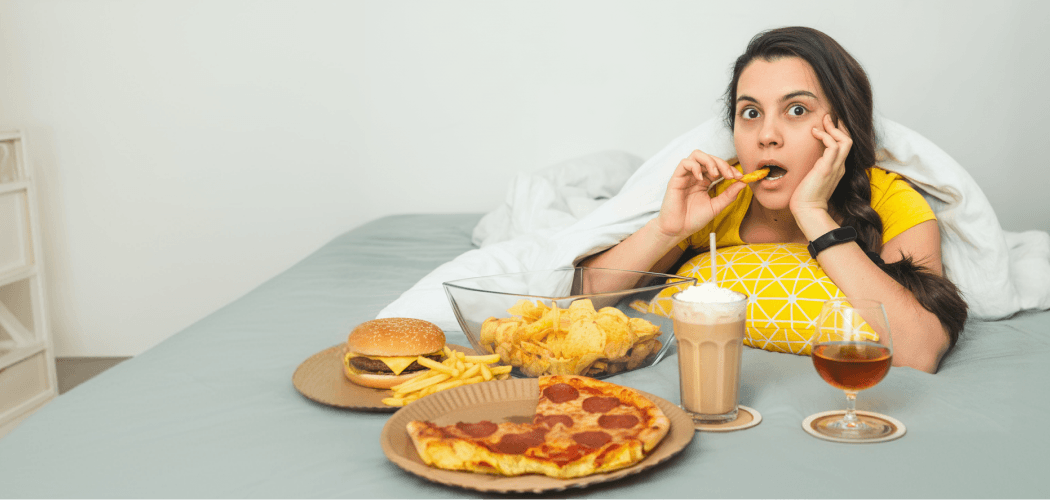
Getting good sleep is just as important for health as exercise and nutrition. Yet many people unknowingly eat foods at night that disrupt sleep quality, digestion, and metabolism.
Late-night eating isn’t always harmful, but the type of food you eat before bed matters a lot. Certain foods can stimulate the brain, increase digestion activity, or cause acid reflux, making it harder to fall asleep.
If you struggle with poor sleep quality, waking up at night, or feeling tired in the morning, your bedtime diet could be part of the problem.
How Food Affects Sleep Quality
Your body follows a natural internal clock called the circadian rhythm. When you eat late at night, you disrupt this rhythm. Here is what happens:
- Blood sugar spikes from sugar and refined carbs cause night sweats and frequent waking
- Spicy or fatty foods slow digestion and increase body temperature, making it hard to fall asleep
- Caffeine blocks adenosine, the chemical that makes you feel sleepy
- Alcohol suppresses REM sleep (the deepest, most restorative sleep stage)
Research published in the Journal of Clinical Sleep Medicine confirms that high-fat, high-sugar diets are directly linked to lighter, less restorative sleep. The good news? A few simple swaps can transform your nights.
How Long Before Bed Should You Stop Eating?
This is one of the most searched questions on this topic, and the answer is clear: stop eating at least 2–3 hours before bedtime. This gives your digestive system enough time to process food, lowers your body temperature, and allows melatonin (your sleep hormone) to rise naturally.
If you feel genuinely hungry close to bedtime, opt for a small, sleep-friendly snack.
12 Foods to Avoid Before Bed
1. Caffeinated Drinks

Caffeine is the most common sleep disruptor. Most people know to skip coffee at night, but caffeine hides in many foods and drinks like energy drinks, green tea, black tea, cola, and even some protein bars.
Caffeine has a half-life of 5–7 hours, meaning a 4 PM coffee still has half its caffeine in your bloodstream at 10 PM.
✅ Instead, try: Chamomile tea, warm turmeric milk (haldi doodh), or ashwagandha tea
2. Spicy Food
Spicy foods like chilli, hot sauce, and heavily spiced curries raise your core body temperature. Since your body needs to lower its temperature to initiate sleep, spicy food actively fights this process. It also triggers acid reflux and heartburn when you lie down.
✅ Instead, try: Lightly seasoned dal, boiled vegetables, or a small bowl of plain khichdi
3. Chocolate (Especially Dark Chocolate)
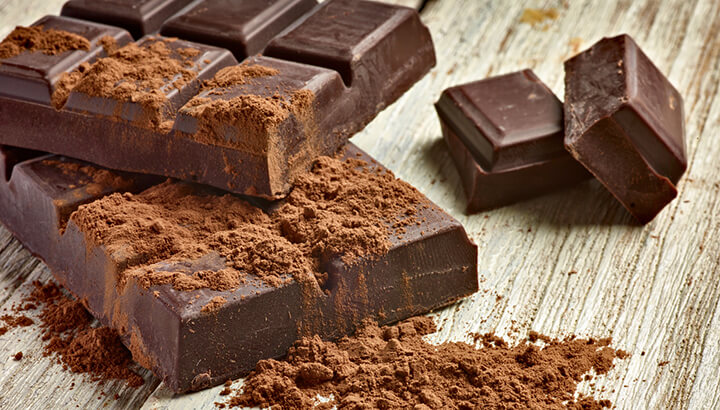
Many people don't realize that dark chocolate contains both caffeine and theobromine — two stimulants that increase heart rate and alert the brain. A 40g piece of dark chocolate can contain as much caffeine as a quarter cup of coffee.
✅ Instead, try: Warm milk with a pinch of cinnamon — it has calming properties
4. Sugary Snacks and Desserts
Sugar causes a rapid blood sugar spike followed by a crash, which wakes you up mid-sleep. Sweets, desserts, chocolates, ladoos, gulab jamun, ice cream — all of these eaten close to bedtime will disrupt your sleep cycle and promote fat storage overnight.
✅ Instead, try: A small handful of dates or a banana, which contain natural melatonin and tryptophan
5. Alcohol

Alcohol feels like it helps you sleep because it makes you drowsy. But it actually fragments your sleep severely. It suppresses REM sleep, causes nighttime sweating, dehydration, and frequent waking in the second half of the night. Regular late-night drinking is one of the biggest causes of chronic sleep deprivation.
✅ Instead, try: Sparkling water with mint and lime for a relaxing evening drink
6. High-Fat & Fried Foods
Fatty foods such as fries, samosas, butter chicken, and cheese-heavy dishes take a long time to digest. When you eat these foods late at night, your digestive system continues working while your body is trying to rest. This can lead to bloating, discomfort, and disturbed sleep. High-fat meals eaten late in the evening are also associated with weight gain because metabolism naturally slows down during sleep.
✅ Instead, try: Grilled paneer, boiled eggs, or a small portion of curd (probiotic-rich and easy to digest)
7. Processed Salty Snacks
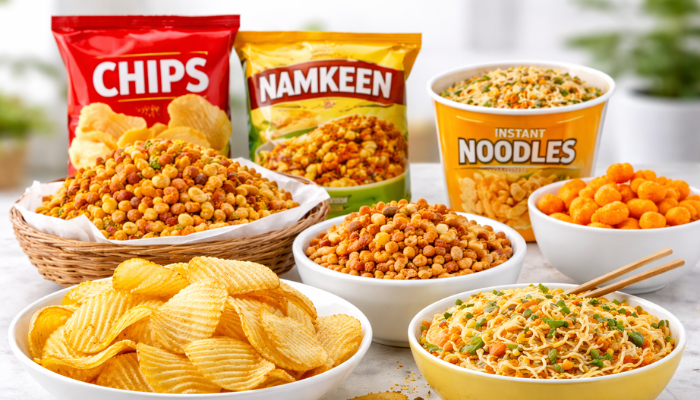
Chips, namkeen, processed snacks, and instant noodles are loaded with sodium. High sodium intake before bed dehydrates your body, leading to frequent trips to the bathroom at night and disrupted sleep cycles. Research also links high sodium intake with shallow, non-restorative sleep.
✅ Instead, try: A small portion of unsalted roasted makhana or a handful of unsalted almonds
8. Citrus Fruits & Acidic Foods
Oranges, lemons, tomatoes, and tomato-based gravies are highly acidic. Eating these at night triggers acid reflux (GERD) when you lie down, causing that burning chest sensation that makes falling asleep miserable.
✅ Instead, try: Non-acidic fruits like bananas, kiwi, or cherries are all of which actually support melatonin production
9. Carbonated Drinks
Aerated drinks such as cola, soda, sparkling soft drinks causes bloating and gas when consumed at night because your body can't expel gas as easily in a lying position. The carbonation expands in your stomach, causing discomfort and frequent shifting during sleep.
✅ Instead, try: Plain water, coconut water, or warm ginger water
10. Gas-Causing Vegetables
Broccoli, cauliflower, kidney beans (rajma), chickpeas (chole), and Brussels sprouts are fibre-heavy foods that ferment in your gut and cause gas, bloating, and cramping at night. These are excellent, nutritious foods — just eat them at lunch, not dinner.
✅ Instead, try: Steamed or lightly sautéed zucchini, spinach, or cucumber in the evening
11. Red Meat
Red meat especially mutton and beef are extremely high in protein and fat, making it one of the slowest foods to digest. Eating it close to bedtime forces your digestive system to work overtime, raising body temperature and causing discomfort that prevents restful sleep.
✅ Instead, try: A lighter protein source like a boiled egg or a small serving of moong dal
12. Heavy Late-Night Meals
Eating large meals right before bed forces your digestive system to stay active while you try to sleep.
This can lead to:
- restless sleep
- indigestion
- poor sleep quality
For better sleep, keep nighttime meals light and balanced.
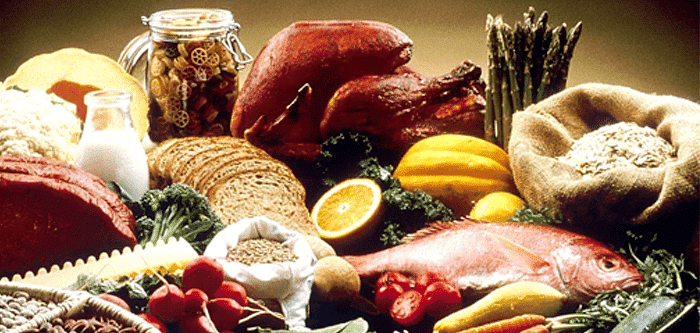
Best Foods for Sleep (Eat These Instead)
Not all late-night eating is harmful. These sleep-friendly foods can actually improve your sleep quality. These snacks provide stable energy without disrupting sleep.
|
Food
|
Why It Helps
|
|
Warm milk
|
Rich in tryptophan, promotes melatonin production
|
|
Almonds & walnuts
|
Contain natural melatonin and magnesium
|
|
Banana
|
High in potassium and serotonin-boosting B6
|
|
Kiwi
|
Studies show 2 kiwis before bed improve sleep onset by 35%
|
|
Cherries
|
One of the few natural sources of melatonin
|
|
Chamomile tea
|
Contains apigenin, a compound that promotes calmness
|
|
Curd / Yogurt
|
Probiotic-rich, light, and easy to digest
|
|
Oatmeal
|
Complex carbs that slowly raise serotonin levels
|
Tips to Improve Sleep Through Diet
Improving your sleep diet can help you fall asleep faster and wake up refreshed.
Helpful tips include:
- Avoid caffeine after afternoon
- Finish dinner 2–3 hours before sleep
- Avoid heavy or spicy meals at night
- Choose light bedtime snacks if needed
- Stay hydrated during the day
Combining good nutrition with regular exercise can significantly improve sleep quality and overall health.
Bedtime Eating Tips for Weight Loss
If losing weight is your goal, late-night eating habits matter enormously. Here is what to follow:
- Stop eating 2–3 hours before bedtime because your metabolism naturally slows down at night.
- Avoid snacking after 9 PM as a general guideline if you usually sleep around midnight.
- Do not eat a heavy dinner . Keep your last meal light and focused on protein.
- Stay well hydrated during the day so that thirst is not mistaken for hunger at night.
- Do not skip dinner completely , because extreme hunger later can lead to overeating or late-night bingeing.
Conclusion
Your diet plays a major role in sleep quality, recovery, and overall health. While eating late at night isn’t always harmful, the foods you choose before bed can affect digestion, sleep cycles, and how rested you feel the next day.

Avoiding caffeine, sugary snacks, fried foods, and heavy meals close to bedtime can help improve sleep quality, energy levels, and overall wellness.
If you're trying to improve your sleep and eating habits together, getting guidance from a qualified nutrition expert can help you understand what foods work best for your body and daily routine.