Summer in India is no joke. With temperatures crossing 40°C in many cities, your body works overtime to stay cool. What you eat plays a massive role in how you feel. The wrong foods can spike your body heat, dehydrate you faster, and leave you sluggish or unwell.
This guide covers the 10 worst foods to eat during summer, exactly why they harm you in the heat, and the best alternatives to swap them with, so you can stay energized, cool, and healthy all season long.
Why Your Diet Matters More in Summer
During peak summer months, your digestive system slows down. The body redirects blood flow to the skin to regulate temperature, which means less blood is available for digestion. Heavy, oily, or spicy foods that your gut handles fine in winter can cause bloating, indigestion, heat exhaustion, and dehydration in summer.
The goal of a good summer diet is simple: eat light, stay hydrated, and avoid foods that generate internal body heat.
Foods You Should Avoid During Summer
1. Fried and Oily Foods (Samosas, Pakoras, Puri, Burgers)

Fried snacks are a staple at Indian street corners. But they are one of the worst foods you can eat in summer. High-fat foods take significantly longer to digest, forcing your body to generate extra internal heat during the process. This raises your core body temperature and increases the risk of bloating, nausea, and lethargy.
Street-fried items also carry a higher contamination risk during summer because bacteria multiply rapidly in heat.
Eat this instead: Roasted chana, makhana (fox nuts), cucumber slices with chaat masala, or a light poha. These give you the snack satisfaction without the heat burden.
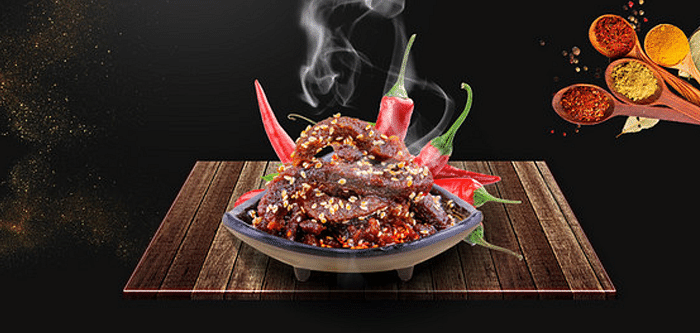
2. Spicy Foods (Red Chilli, Hot Curries, Mirchi Dishes)

Spicy foods can significantly increase discomfort during summer because they trigger thermogenesis, a process in which the body produces more heat while digesting compounds like capsaicin (found in red chillies). This rise in internal temperature can make you feel hotter and more restless in already high temperatures.
In addition, spicy meals tend to stimulate excessive sweating. While sweating is the body’s natural cooling mechanism, too much of it can speed up fluid loss and contribute to dehydration if you’re not replenishing enough water.
Regularly consuming heavy, spice-loaded dishes such as hot curries, vindaloo, or mirchi-based preparations can also irritate the digestive system, leading to acidity or discomfort in hot weather. Choosing milder flavors during summer helps your body stay cooler and more balanced.
Eat this instead: Mildly spiced dals, curd-based raitas, and coconut-based curries. Mint and coriander are natural cooling agents, use them generously in chutneys and salads.
3. Tea and Coffee (Hot Beverages)

For many people, starting the day without tea or coffee feels impossible. While moderate consumption is generally fine, having multiple cups throughout the day in summer can contribute to dehydration.
Caffeine has a mild diuretic effect, which means it can increase fluid loss from the body. Combined with already high sweat loss during hot weather, this can leave you feeling drained and less hydrated than you realize.
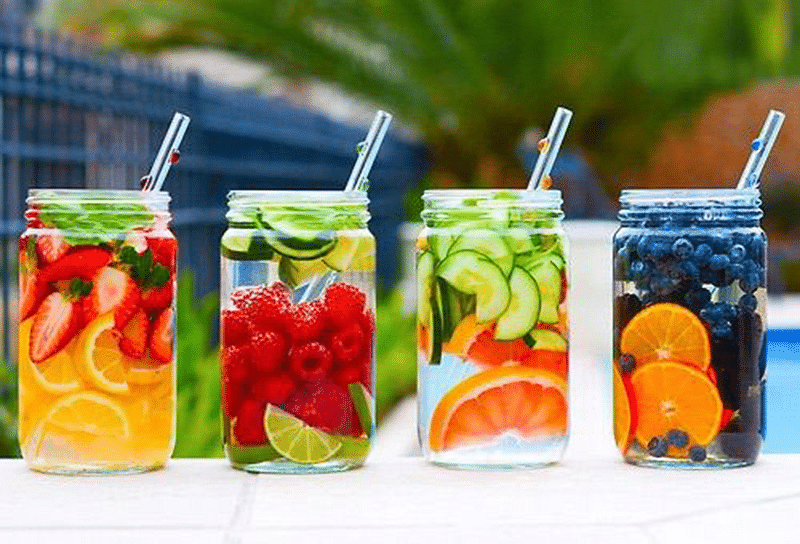
Drink this instead: Herbal mint tea (cooled or iced), lemon water with a pinch of black salt, aam panna, or nimbu pani. These rehydrate while actively cooling the body.
4. Red Meat (Mutton, Beef, Pork)

Red meat is one of the hardest foods for your body to digest. It has a high thermic effect - meaning the body burns significantly more energy breaking it down compared to plant proteins or lighter meats. This generates a large amount of internal heat. In summer, this can leave you feeling heavy, overheated, and uncomfortable for hours after a meal.
Mutton biryani and pork curries may taste wonderful, but they are best saved for festive winter dinners.
Eat this instead: Moong dal, tofu, paneer in small quantities, or grilled chicken (lean protein that digests much more easily than red meat).
5. Dairy Products (Full-Fat Milk, Paneer, Butter, Cream)
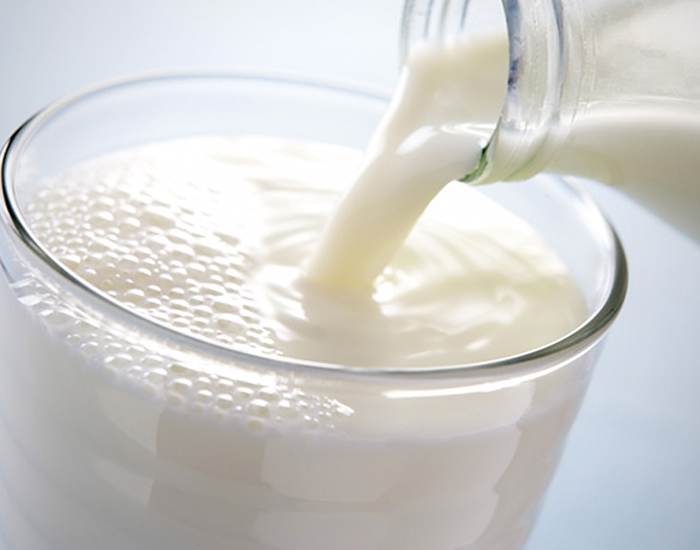
Full-fat dairy products can generates heat during digestion and can aggravate Pitta dosha (body heat) according to Ayurvedic principles (a tradition that aligns well with modern dietary science). Heavy dairy also curdles quickly in summer heat, increasing the risk of food poisoning if not stored properly.
That said, not all dairy is bad in summer - how it's prepared matters.
Eat this instead: Chilled buttermilk (chaas) and diluted yogurt (lassi without cream) are actually excellent summer foods. They cool the gut, aid digestion, and replenish electrolytes.
6. Ice Cream and Cold Desserts (in Excess)

This one surprises most people. While ice cream feels cooling when you eat it, the high sugar and fat content triggers a digestive response that ultimately generates body heat. Additionally, the extreme cold causes blood vessels in the throat to constrict, which can weaken immunity and make you more susceptible to summer infections like throat irritation and tonsillitis.
Eating ice cream occasionally is fine but having it daily as a summer staple is where it backfires.
Eat this instead: Fresh fruit popsicles made from watermelon or mango, chilled coconut water, or homemade fruit sorbet with no added sugar.
7. Seafood (Especially in Non-Coastal Areas)
Seafood spoils faster than almost any other protein in hot weather. Unless you are buying from a highly reliable, temperature-controlled source, summer is the riskiest season for fish, prawns, and shellfish. Bacterial contamination in improperly stored seafood during peak summer months is a leading cause of food poisoning in India.
Eat this instead: If you crave seafood, choose freshly cooked, well-sourced fish and avoid raw or semi-cooked preparations entirely during April–June.
8. Dry Fruits and Nuts (Almonds, Cashews, Walnuts)
Dry fruits are nutritious, but they are also considered “heat-producing” foods when consumed in large amounts. Eating too many nuts like almonds, cashews, or walnuts during peak summer can contribute to a feeling of internal warmth and heaviness.
A small portion is beneficial, especially if soaked, but overconsumption can work against your body’s need to stay cool.
Eat this instead: Soak almonds overnight and eat just 4–5 in the morning. Alternatively, opt for seeds like pumpkin seeds and sunflower seeds, which are lighter and cooling.
9. Carbonated Drinks and Packaged Juices
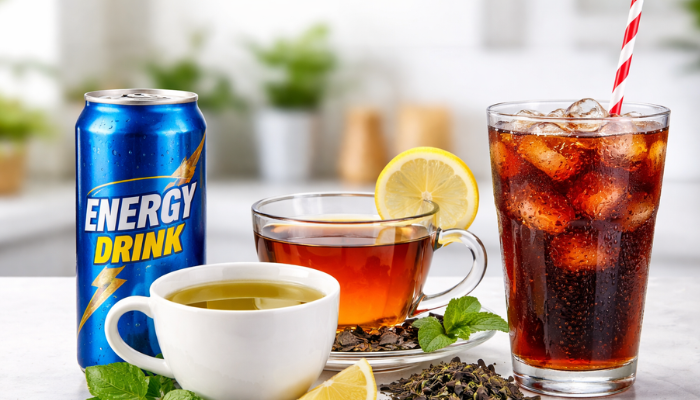
Cold drinks may seem like the quickest way to beat the heat, but they often do more harm than good. Most packaged beverages are loaded with sugar, which can spike your energy briefly but eventually leave you feeling more tired and dehydrated.
Instead of actually hydrating your body, these drinks can interfere with fluid balance and increase thirst. This is why relying on soft drinks during summer often creates a cycle of temporary relief followed by increased dehydration.
Drink this instead: Fresh coconut water, sattu sharbat, jaljeera, raw mango panna, or simply cold water with a slice of lemon and chia seeds.
10. Alcohol

Alcohol is one of the most dehydrating substances you can consume. It suppresses the production of vasopressin (an anti-diuretic hormone), causing your kidneys to excrete far more water than you take in. In summer, when dehydration is already a real risk, alcohol dramatically increases your chances of heat exhaustion or heat stroke.
It also dilates blood vessels, which temporarily makes you feel warmer - the opposite of what you need on a 42°C afternoon.
Drink this instead: Kombucha, chilled herbal teas, or sparkling water with fresh mint and lime gives you a festive feel without the dehydration cost.
Quick Reference: Summer Foods to Avoid vs. Better Swaps
|
❌ Avoid
|
✅ Better Alternative
|
|
Fried snacks (samosa, pakora)
|
Roasted chana, makhana
|
|
Hot spicy curries
|
Mild dal, coconut curry, raita
|
|
Tea / Coffee
|
Mint tea, nimbu pani, aam panna
|
|
Red meat (mutton, pork)
|
Moong dal, grilled chicken, tofu
|
|
Full-fat dairy
|
Chaas (buttermilk), thin lassi
|
|
Ice cream (daily)
|
Fruit popsicles, coconut water
|
|
Questionable seafood
|
Well-sourced, freshly cooked fish only
|
|
Dry fruits in large amounts
|
Soaked almonds (4–5), pumpkin seeds
|
|
Sodas and packaged juices
|
Coconut water, sattu sharbat, jaljeera
|
|
Alcohol
|
Kombucha, sparkling lime water
|
Simple Summer Eating Habits That Make a Big Difference
Your eating pattern matters just as much as what you eat. Large, heavy meals can make you feel uncomfortable in hot weather, so it’s better to eat smaller portions more frequently throughout the day.
Hydration should also be consistent rather than occasional. Waiting until you feel very thirsty is often a sign that your body is already slightly dehydrated. Drinking water regularly and including natural fluids like coconut water or lemon water can help maintain balance.
Choosing fresh, seasonal foods instead of processed or packaged items can also significantly improve how your body responds to heat. Seasonal foods are naturally suited to your body’s needs during that time of the year.
Final Thoughts
Eating right in summer doesn’t require a complicated diet plan. It simply comes down to making smarter choices that support your body’s natural response to heat.
Reducing spicy, oily, and processed foods while increasing your intake of fresh, hydrating, and light meals can help you stay energetic and comfortable even on the hottest days. Small daily changes often have the biggest impact over time.
Take Control of Your Summer Nutrition
If you want to stay consistent with healthy eating, awareness is the first step. Tracking your meals and understanding your daily habits can make it much easier to improve your diet.
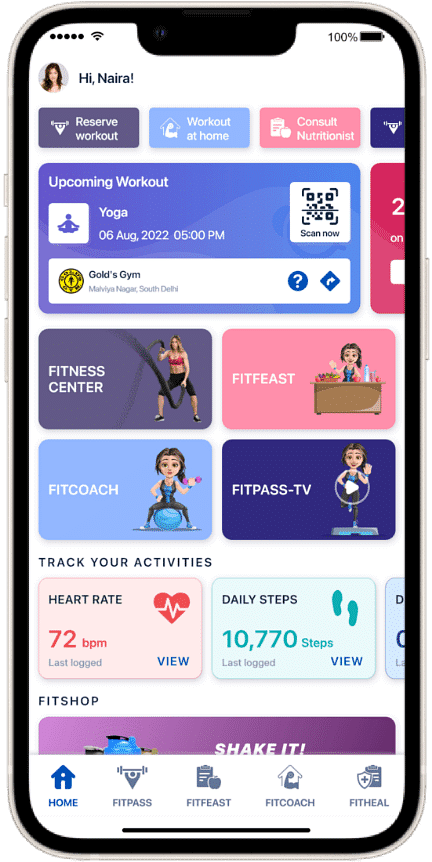
With the FITPASS app, you can log your meals, monitor your nutrition, and get guidance tailored to your goals - helping you stay on track not just during summer, but throughout the year.