Table Of Contents
Let’s face it, between back-to-back meetings, endless to-do lists, and barely-there lunch breaks, staying active during a busy day feels like a luxury. But here's the truth: even a little movement can go a long way. You don’t need a full hour at the gym to stay healthy and energised. Integrating short, effective movement into your routine is not only doable, it’s essential for long-term wellness.
In this blog, we’ll break down simple ways to squeeze more movement into your busy day, supported by science and practical hacks. Whether you’re working from home, in a corporate setting, or managing a hectic schedule, these movement tips for busy people will help you stay active without stress.
- Movement doesn’t require a gym. You can fit mini workouts during the day using creative approaches.
- Short bursts of exercise can enhance focus, alleviate stress, and increase productivity.
- Regular movement in a busy day reduces the risk of chronic illnesses.
- Micromovements at work, like calf raises and desk stretches, add up to meaningful results.
- Using a movement tracker on a busy day helps you stay accountable.
Studies show that sedentary lifestyles are linked to heart disease, obesity, and reduced cognitive function. According to research published in The Lancet, physical inactivity is responsible for more than 5 million deaths globally each year. But here’s the catch: moving more doesn’t always mean hitting the gym.
A 2021 study in the British Journal of Sports Medicine found that even short movement breaks, as little as five minutes, improve mental alertness and overall well-being. These findings underscore the value of movement snacks, especially when your schedule is tight.

Set the tone for the day with light movement. Before reaching for your phone or starting work, stretch for a few minutes or go for a quick walk.
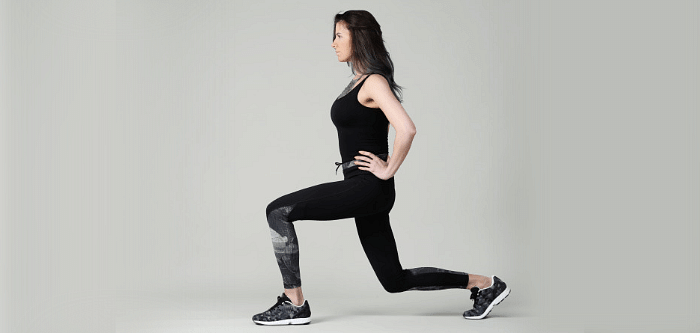
- Do a bodyweight mini workout: squats, lunges, and push-ups (3 rounds, 5 reps each).
- Perform dynamic exercises at your desk before you sit down.
- Take stand-up reminders seriously—set one for every hour.
Creating a movement routine for a busy schedule starts with building momentum early in the day.
One of the simplest movement hacks for busy people is switching up how meetings are conducted. If it’s a casual chat or a brainstorming session, turn it into a walking meeting.
- It breaks up long sitting hours.
- Encourages creativity and alertness.
- It can be done indoors or outdoors.
Don’t underestimate the power of walking during meetings; this small shift can make a big impact on your overall activity level.
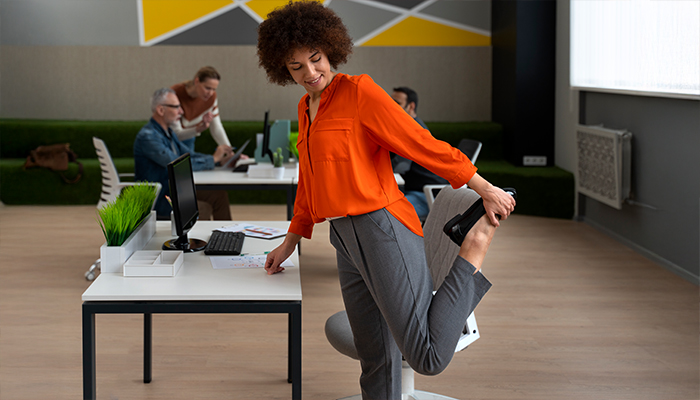
When work piles up, movement often takes a back seat. But small changes make a big difference.
- Choose to take the stairs at work instead of the lift.
- Park farther from your office for extra walking.
- Do calf raises at your desk while on phone calls?
- Use desk stretches to release tension and improve posture.
These micromovements at work may seem minor, but they collectively reduce stiffness and boost energy.
Even on your busiest days, you can take out 5 minutes here and there. These 5-minute movement breaks can include:
- Jumping jacks or jogging in place.
- Stretching your neck, shoulders, and hips.
- Doing wall push-ups or air squats.
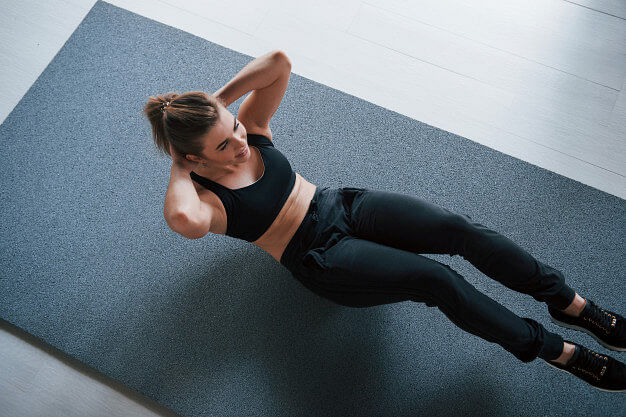
- Quick bodyweight mini workouts.
Add a couple of these short movement breaks throughout your day, and you'll hit your daily movement goal without setting foot in a gym.
The ideal time is the hidden gem for squeezing in activity. Waiting for the kettle to boil? Do lunges. On hold during a call? Try torso twists.
- Dynamic exercise at the desk, like marching in place or toe taps.
- Movement snacks during TV ads or while food is heating.
- Brushing your teeth? Do calf raises.
The idea is to find little moments where movement in a busy day can happen naturally.

If you often forget to move, tech can help.
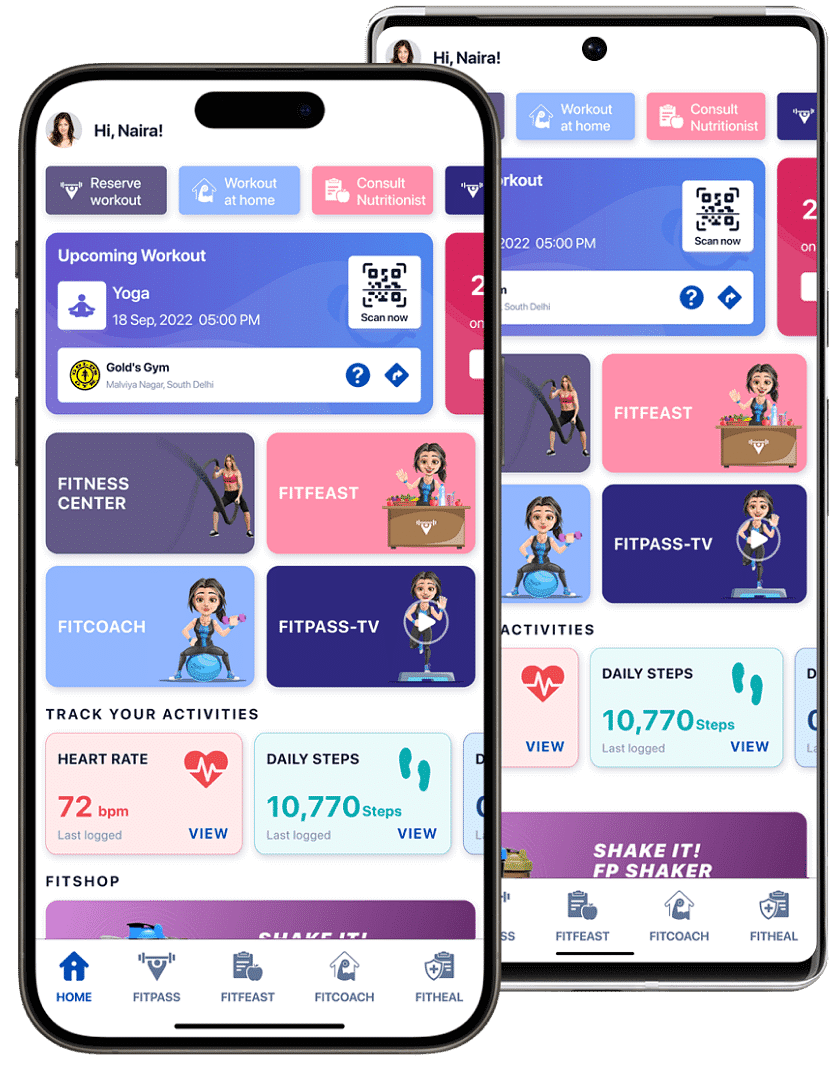
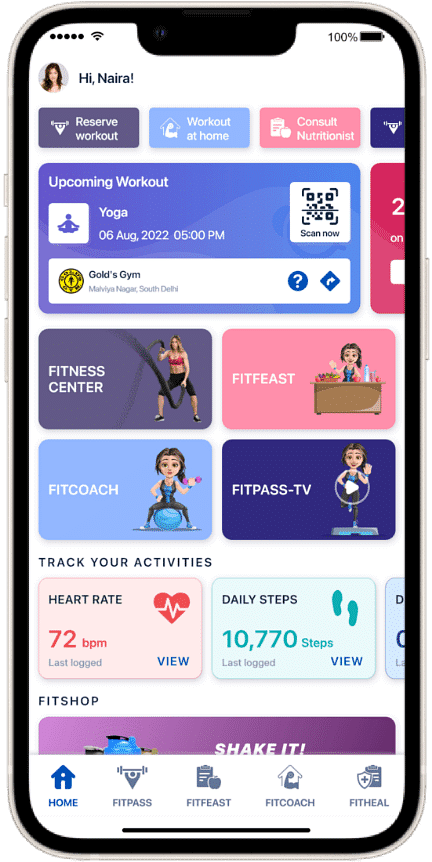
- Movement tracker busy day apps like Pacer or the FITPASS app.
- Set alarms every hour for stand-up reminders.
- Use fitness wearables to measure steps, heart rate, and calories burned.
Tracking helps you stay accountable, especially if your workday tends to be all-consuming.
Your commute is another chance to move more.
- Get off the bus a stop earlier and walk the rest.
- Use a bicycle for short trips.
- Park at the far end of the lot and walk to your office.
Adding movement this way becomes a habit that doesn’t demand extra time or effort.
Encourage your coworkers to join in! Whether you're remote or in-office, group motivation boosts consistency.
- Midday stretch breaks over video call.
- 5-minute active breaks during workday huddles.
- Friendly competition via step-tracking apps.
It’s easier to make daily movement tips stick when you share the journey.
Your body needs to decompress after a hectic day. Aim for light movement that relaxes and stretches.
- A calming yoga flow.
- A 10-minute walk after dinner.
- Foam rolling to release tight muscles.
Ending with activity signals your body to wind down and helps with better sleep quality.
A University of Utah study found that short bursts of exercise, even just 60 seconds at a time, are associated with lower BMI and better overall health. These mini moves matter.
Incorporating movement hacks for busy people doesn’t just boost fitness; it improves your focus, reduces anxiety, and protects long-term health.

Consistency beats intensity. The key is to build a pattern of mini workouts during the day and movement snacks that fit seamlessly into your existing routine.
| Day |
Mini Workout Ideas |
| Monday |
Walk 10 minutes after lunch, desk stretches |
| Tuesday |
Take the stairs at work, 5-minute squat set |
| Wednesday |
Calf raises at the desk, walk during |
| Thursday |
10 push-ups before shower, evening walk |
| Friday |
Yoga stretches in the morning, dynamic march |
| Saturday |
Park farther, walk in the market |
Fitting movement into a busy day isn’t about finding more time; it’s about making the most of the time you already have. With a few simple adjustments, you can build an active lifestyle that fuels your health, improves your mood, and fits seamlessly into your day.
So the next time you think you’re too busy to move, remember: even the smallest move counts. Start now, start small, but just start.