Coffee is the most widely consumed psychoactive beverage in the world. What started as roasted seeds in ancient Arabia is now a daily performance tool for millions. Whether you drink it for energy, workouts, or habit, understanding what coffee actually does to your body can change how you use it.
What Makes Coffee More Than Just a Beverage
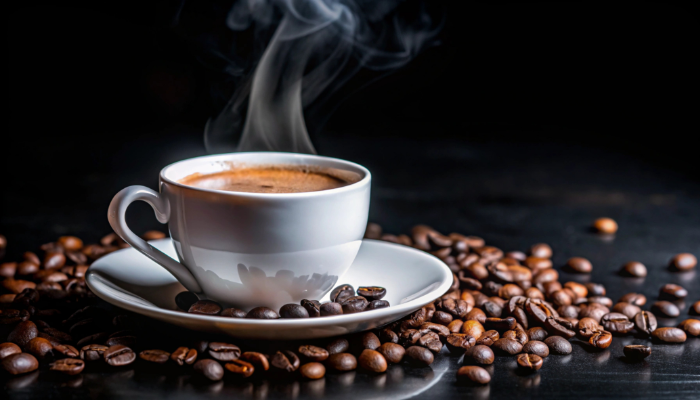
Coffee is a complex mixture of over 1,000 cheal compounds. The most famous of these is caffeine, a central nervous system stimulant that blocks adenosine receptors in the brain, the cheal responsible for making you feel tired. When caffeine occupies these receptors, it prevents drowsiness and simultaneously triggers the release of dopamine and adrenaline, creating that familiar alertness and uplift in mood.
But caffeine is only part of the story. Coffee is one of the richest dietary sources of polyphenols, specifically chlorogenic acid, quinic acid, and antioxidants that fight cell-damaging free radicals. In fact, for most people, coffee is the single largest source of antioxidants in their daily diet.
A standard 250 ml cup of brewed coffee provides:
- Approximately 95 mg of caffeine
- Vitamin B2 (riboflavin)
- Magnesium
- Potassium
- Polyphenols including chlorogenic acid
- Niacin (Vitamin B3)
- Less than 5 calories (when black)
Coffee Nutrition Facts: What You Actually Consume
Black coffee is one of the leanest functional beverages available. One 250 ml cup of plain black coffee contains:
|
Nutrient / Component
|
Amount (per cup of black coffee)
|
|
Calories
|
2–5 kcal
|
|
Carbohydrates
|
0 g
|
|
Fat
|
0 g
|
|
Protein
|
0.3 g
|
|
Caffeine
|
~95 mg
|
|
Antioxidants
|
High (chlorogenic acid, quinones, lignans)
|
What Changes When You Add Milk or Sugar
- 1 tbsp sugar adds ~48 calories
- 1 tbsp cream adds ~50+ calories and saturated fat
- Flavored coffees can reach 200 to 500 calories
A 2025 study from Tufts University published in The Journal of Nutrition found that people who drink 1 to 3 cups of black coffee daily have a 14% lower overall mortality risk compared to non-drinkers. Critically, this protective benefit was significantly reduced in people who added excessive amounts of sugar and saturated fat to their coffee.
Coffee Benefits for Physical Performance

Most people drink coffee to wake up. But if you work out, your cup does a lot more than that.
Caffeine is one of the most researched performance compounds in sports nutrition and the results are consistent across endurance, strength, and focus.
How Coffee Improves Your Workout Performance:
- Burns more fat
Caffeine pushes your body to use stored fatty acids as fuel during exercise. The effect is strongest at a dose of 3 to 6 mg per kg of body weight, especially when you train in a fasted or semi-fasted state.
- Delays fatigue
It reduces your perception of effort, meaning the same workout feels less hard. You push longer before your muscles give out.
- Improves strength and power
Short, high-intensity efforts like sprints, HIIT, or lifting show measurable gains in peak power output with pre-workout caffeine use.
- Sharpens mental focus
Reaction time improves. Concentration holds longer. Your mind stays in the session, not wandering.
When to drink it for workouts:
Have your black coffee 45 minutes before training. That is when caffeine reaches peak concentration in your bloodstream and performance benefits kick in.
Want to know the best time to drink coffee for the rest of your day? The next section covers that.
Is Black Coffee Good for Health?
Yes, and the evidence is not thin. Decades of large-scale research show that regular black coffee drinkers carry a meaningfully lower risk of several major diseases.
Here is what the studies actually found:
- Heart Disease
A meta-analysis of 36 studies found that 3 to 5 cups a day was linked to a 15% lower risk of cardiovascular disease. In a separate study tracking 83,076 women, 4 or more cups daily cut stroke risk by 20%.
👉 What this means: Coffee may support heart health when consumed in balanced amounts.
- Type 2 Diabetes
Regular coffee drinkers show a significantly lower risk of developing type 2 diabetes.Studies suggest the risk can decrease progressively with higher intake, supported by improved insulin sensitivity.
👉 What this means: Coffee may help your body manage blood sugar more effectively over time.
- Brain Health and Neuroprotection
A review of 26 studies found a 25% lower risk of Parkinson's in regular coffee drinkers. Every 300 mg increase in daily caffeine was linked to a further 24% reduction in risk. The CAIDE study found that people who drank 3 to 5 cups daily in midlife had roughly a 65% lower risk of developing Alzheimer's later in life. One of the strongest diet-to-dementia prevention findings on record.
👉 What this means: Coffee may offer long-term protective benefits for brain function.
- Depression
Studies involving large populations show that coffee drinkers have a lower risk of depression. Each additional cup is associated with a small but meaningful improvement in mood-related outcomes.
👉 What this means: Coffee can support mental well-being when consumed responsibly.
- Liver Health
Regular coffee drinkers show lower rates of liver fibrosis, cirrhosis, and liver cancer. Coffee speeds up digestion, reducing carcinogen contact with colon tissue, and supports bile acid production. Notably, both caffeinated and decaf coffee show these benefits, meaning the polyphenols, not just caffeine, are doing the work.
👉 What this means: The protective effects come from antioxidants, not just caffeine.
When Is the Best Time to Drink Coffee?
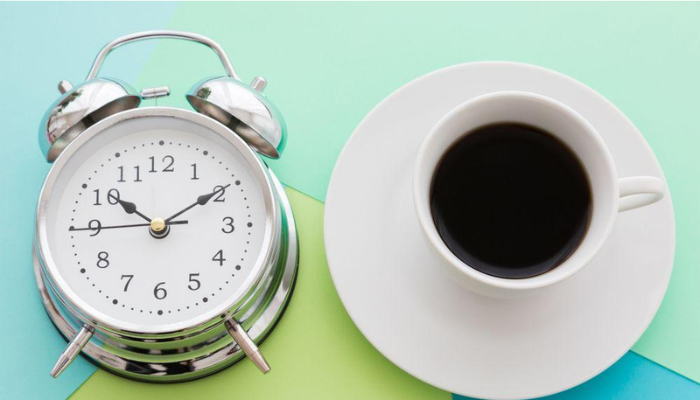
Many people drink coffee the moment they wake up. Physiologically, this is not the optimal window.
Your body's cortisol levels, the primary alertness hormone, peak 30 to 45 minutes after waking. Drinking coffee during this window essentially wastes caffeine's stimulant effect since your body is already in high-alert mode. Consuming caffeine when cortisol is already elevated can also increase tolerance faster.
Best Time to Drink Coffee for Maximum Benefits
Drink your first cup 60 to 90 minutes after waking, when cortisol levels begin to naturally dip. This is when you will feel the most pronounced energy and focus benefit from caffeine.
Additional timing rules to follow:
- Avoid coffee within 6 hours of bedtime to protect sleep quality
- Pre-workout coffee works best 30 to 60 minutes before exercise
- Drinking coffee between 4 a.m. and noon is associated with better heart outcomes in observational studies
Caffeine Side Effects: Why Your Coffee Stops Working
Coffee is not the problem. The dose is.
Most Indians grow up drinking chai, which has roughly 25 to 50 mg of caffeine per cup. Switching to coffee, especially espresso-based café drinks, can feel like jumping from a scooter to a sports bike. The caffeine load is 2 to 4 times higher, and your body notices.
The FDA-recognized safe limit is 400 mg of caffeine per day, roughly 3 to 5 standard filter coffees or 4 to 6 cups of chai. Stay within that and the benefits hold.
Short-Term Side Effects of Excess Caffeine:
- Anxiety or sudden nervousness for no clear reason
- Restlessness and jitteriness
- Increased heart rate and blood pressure
- Headache, often a few hours after your last cup
- Upset stomach, acid reflux, or loose digestion
- Dehydration (mild diuretic effect)
Long-Term Side Effects of Heavy Use (more than 4 cups daily):
- Chronic insomnia and disrupted sleep architecture
- Cortisol buildup - caffeine amplifies your stress hormones. Combined with high-pressure work environments common in metros like Gurugram, Bengaluru, and Mumbai, this creates a compounding stress load
- Caffeine dependence and withdrawal symptoms (headache, fatigue, low mood)
- Osteoporosis risk in post-menopausal women
- Acidity and gut issues - We Indians already consume a high-spice, high-oil diet. Adding heavy coffee intake raises gastric acid production further, worsening conditions like GERD and IBS
- Increased anxiety and potential worsening of depressive symptoms
A simple personal check: If coffee makes you feel sharp and energetic, your intake is likely fine. If you feel foggy, irritable, or headachy without it, you have crossed from enjoying coffee into depending on it. That is the signal to gradually cut back, not quit cold turkey.
Tea vs. Coffee Benefits: Which One Should You Choose?
The tea vs. coffee debate is one of the most searched comparison topics in the space. Both beverages have evidence-backed benefits, but they work differently.
|
Factor
|
Coffee
|
Tea
|
|
Caffeine
|
High (~95 mg)
|
Moderate (25 to 50 mg)
|
|
Energy
|
Fast and strong
|
Smooth and sustained
|
|
Focus
|
Intense
|
Calm (due to L-theanine)
|
|
Workout use
|
Better
|
Limited
|
|
Sleep impact
|
Higher
|
Lower
|
Both beverages consumed together show a synergistic benefit: a 2023 study found that drinking 2 cups of tea and 2 cups of coffee daily was linked to a 21% lower risk of dying from cancer.
Who Should Limit or Avoid Coffee
Not everyone benefits equally from coffee. The following groups should moderate intake or consult a doctor:
- Pregnant women: Limit to under 200 mg of caffeine daily (~2 cups). Caffeine crosses the placenta and has been linked to low birth weight and pregnancy complications
- People with anxiety disorders: Caffeine amplifies the stress response and can worsen anxiety and panic symptoms
- Those with acid reflux or GERD: Coffee increases stomach acid production and can worsen reflux symptoms
- Individuals with hypertension: While regular drinkers often develop some tolerance, sensitive individuals may experience blood pressure spikes
- Poor sleepers: Caffeine has a half-life of 5 to 6 hours. An afternoon coffee at 3 p.m. still has significant caffeine in your system at 9 p.m.
- Adolescents: The developing nervous system is more sensitive to caffeine's stimulant effects
Does Decaffeinated Coffee Still Offer Benefits?
Surprisingly, yes. And more than most people expect. A common assumption is that caffeine is the reason coffee is healthy. The research says otherwise. Many of coffee's biggest benefits come from its polyphenols and antioxidants, not caffeine. And decaf keeps almost all of those intact.
What decaf actually is
Decaf is not caffeine-free. It is caffeine-reduced. Under standard processing regulations, at least 97% of caffeine is removed, leaving a small residual amount (roughly 2 to 5 mg per cup compared to 95 mg in regular coffee).
The bioactive compounds, the polyphenols, chlorogenic acid, and antioxidants, remain mostly untouched.
Who should seriously consider switching to decaf:
- You love coffee but get anxious, jittery, or experience palpitations
- You have acidity, GERD, or a sensitive stomach (decaf is slightly less acidic)
- You want an evening cup without destroying your sleep
- You are pregnant or have been advised to limit caffeine
- You drink more than 4 cups a day and want to cut back without giving up the ritual
Surprising Coffee Facts Most People Don’t Know
- Coffee “beans” are actually seeds found inside a fruit called a coffee cherry
- Light roast coffee may contain slightly more caffeine than dark roast, but the difference is minimal
- Caffeine enters your bloodstream within 5 to 10 minutes of drinking and peaks at 30 to 60 minutes
- Adding milk or cream can slightly slow how quickly coffee cools
- Coffee has played an important social and cultural role in Middle Eastern history
- Ludwig van Beethoven reportedly counted exactly 60 beans for every cup
- Kopi Luwak, the world's most expensive coffee, is made from beans that have passed through the digestive system of a civet cat in Indonesia
- Black coffee contributes to daily hydration despite caffeine’s mild diuretic effect
5 Practical Rules for Making Coffee Work for You
Getting the most out of coffee comes down to simple, evidence-based habits:
- Drink it black or with minimal additions
- Time your first cup properly
- Stick to 3 to 5 cups per day - the dosage range where benefits are strongest and risks remain low
- Avoid coffee late in the day to protect sleep quality
- Take occasional breaks to reset coffee tolerance
Final Thoughts: Should You Drink Coffee Daily?
Coffee can be a powerful tool for energy, performance, and even long-term health when used correctly. The key is not to overconsume or rely on it blindly. When used strategically, coffee supports both physical performance and mental clarity. But it is only one part of the bigger picture.
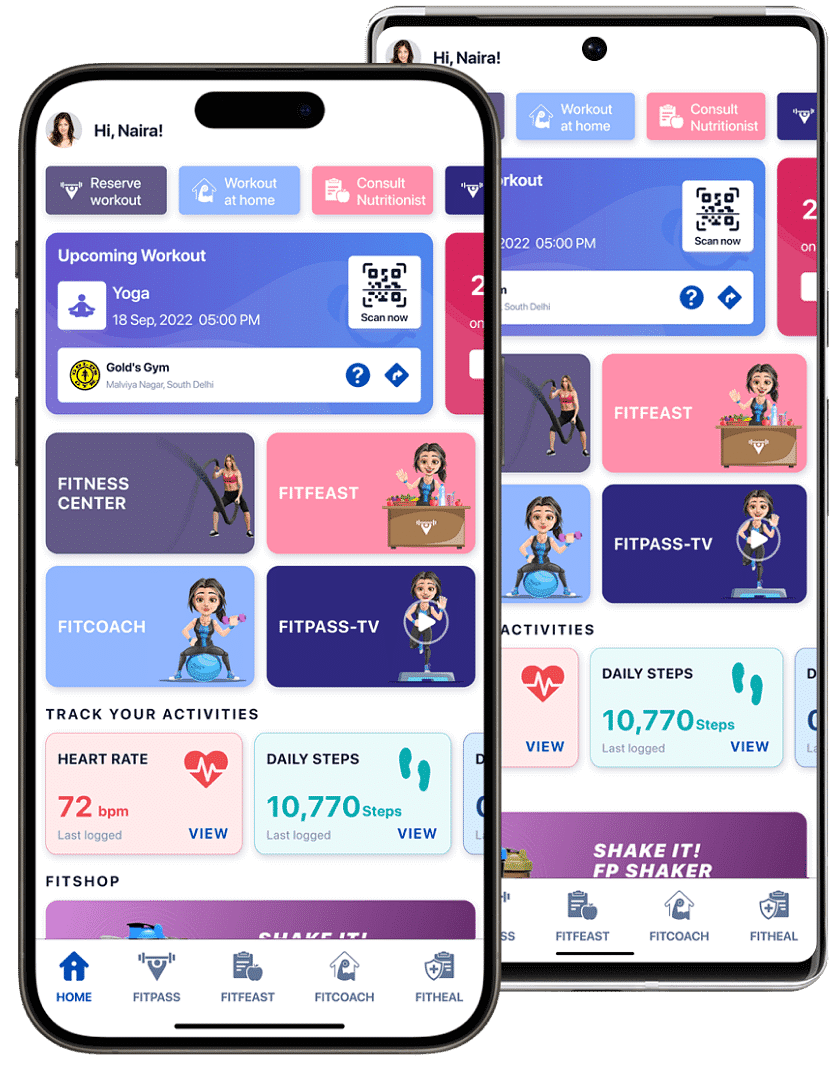
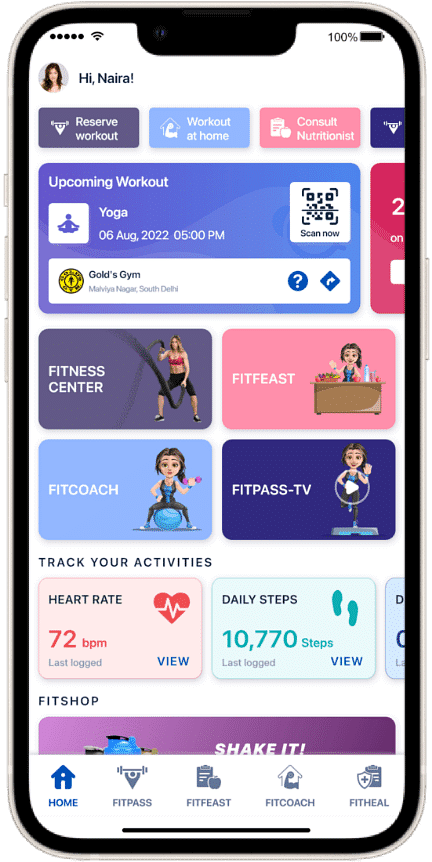
Your results in fitness, weight loss, or overall health depend far more on what you eat throughout the day than on a single cup of coffee. This is where having the right nutrition support matters. With FITFEAST, you can align your meals with your workouts, track your daily intake, and make sure your diet supports your goals alongside your coffee habits.
Because real progress comes from combining smart habits, not relying on just one.