Loading...
LOG IN
HOME
BROWSE STUDIOS
FITCOACH
FITFEAST
FITPASS-TV
FITNESS ACTIVITIES
BLOGS
CORPORATE-WELLNESS
LOG IN
Download Now

5 Tips to Protect Yourself from Delhi Air Pollution
Last Updated on: 13th Nov, 2026
5 Tips to Protect Yourself from Delhi Air Pollution
Last Updated on: 13th Nov, 2026
Share this article
Tags
air pollutiondelhi air pollutiondieteffects of air pollutionfitnessfitnessfitpasshealthhow to protect from air pollutionpollutionprotect yourself from air pollutionworkout
Written By

FITPASS Editorial Team
Content Writer
The writers, storytellers and day-dreamers - making sure that they pen down their thoughts in the best possible manner. With an expertise in writing for Health & Lifestyle, they used the platform to share their knowledge to the readers.
Related Articles
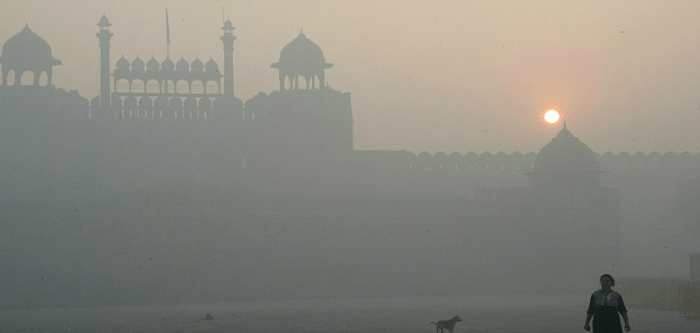
Ways To Protect Yourself From The Heavy Pollution Of Delhi
Stay safe from smog and air pollution. Wear masks, avoid outdoor activity, and eat healthily to protect yourself from the dangers of polluted air!
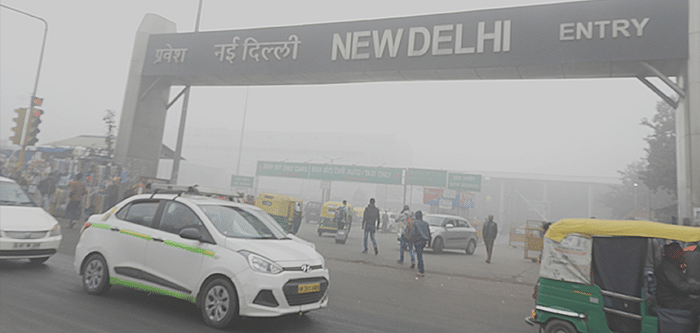
Delhi Air Pollution – How To Stay Safe And Healthy In Air Pollution
Delhi air pollution can be very harmful to you and your family. If you don’t take preventive steps, your health can be at serious risk. To stay safe and healthy amidst the air pollution. With the AQI shooting over the roof in Delhi, this is how you can protect yourself from air pollution in Delhi.

Protect Yourself And Your Family From Increasing Air Pollution
An air pollutant is a substance in the air that can have adverse effects on humans and the ecosystem. The substance can be solid particles, liquid droplets, or gases. A pollutant can be of natural origin or man-made.
Frequently Asked Questions
What are the best ways to protect yourself from smog?
Reduce outdoor exposure, keep windows closed when outdoor pollution is high, use an appropriate air purifier and wear a well-fitted particulate respirator when necessary. Avoid areas with heavy traffic and construction dust.
Is it safe to exercise outdoors during high AQI?
Strenuous outdoor exercise is best avoided when AQI levels are high, particularly in the Poor, Very Poor and Severe categories. Exercise increases your breathing rate, which can increase the amount of pollutants you inhale. Consider indoor workouts in a cleaner environment instead.
How can I protect myself from Delhi air pollution?
Check the AQI regularly, wear a properly fitted N95 or N99 respirator when outdoor exposure cannot be avoided, and use a HEPA-filter air purifier indoors. Avoid strenuous outdoor activities during high pollution periods and maintain a balanced diet.
When should I avoid going outdoors during Delhi air pollution?
Limit outdoor exposure when AQI reaches Poor, Very Poor or Severe categories. Children, older adults and people with respiratory or cardiovascular conditions should take additional precautions. Follow local health advisories and seek medical advice if you experience persistent coughing, wheezing or breathing difficulties.
Does keeping indoor plants reduce air pollution?
Indoor plants can make your living space more pleasant, but ordinary household plants have not been shown to remove indoor pollutants effectively enough to improve air quality significantly. Use proper ventilation when outdoor air is clean and suitable air filtration instead.
Which foods help support health during air pollution?
Include fruits, vegetables, nuts, seeds and whole grains in your diet. Foods rich in vitamins C and E and other antioxidants support normal bodily functions. However, no food can detoxify your lungs or completely protect you from air pollution.
Do air purifiers protect against Delhi air pollution?
Air purifiers with HEPA filters can reduce airborne particles such as PM2.5 and PM10 indoors. However, they do not remove every gaseous pollutant and cannot guarantee complete protection. Choose a purifier suited to your room size and maintain its filters regularly.
Can't find an answer? Reach out to our team directly at care@fitpass.co.in or dial 1800-5714-466.
Best Fitness App
Trusted by over 11 million+ customers all across India since 2016
4.7
50K+ Rating
11M+
Customers all over India

Get Moving Now. Stay fit with FITPASS
Download Now

Subcribe our Newsletter
Subscribe to our newsletter to get our latest updates & blog articles
Subscribe


