How to Protect Yourself From Air Pollution: Delhi Air Pollution Safety Guide
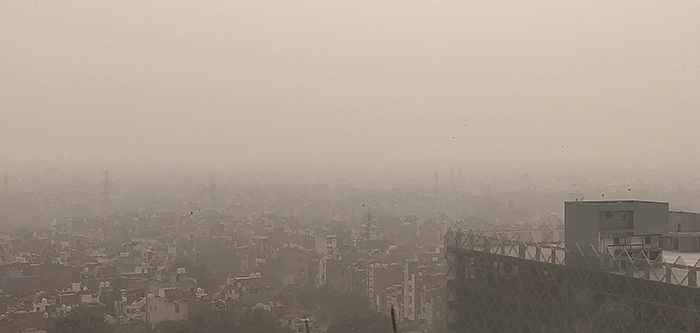
“As Delhi’s air quality deteriorates to alarming levels, the Air Quality Index (AQI) regularly hovers in the “severe” category, often reaching values above 400 after the Diwali festival.”
An AQI of 400 is far exceeding the safe limit. This year, pollution levels have spiked further due to a combination of stubble burning in nearby states, Diwali firecrackers, and dense vehicular traffic, creating thick, unbreathable smog. For many residents, this has led to serious health issues ranging from breathing difficulties and nausea to headaches, chest pain, and chronic respiratory conditions.
Children, the elderly, and pregnant women face even greater risks.
Knowing how to protect yourself from air pollution is essential, especially during Delhi’s high-pollution season. This blog shares helpful tips to help you avoid the harmful effects of pollution indoors and outdoors.
Why Air Pollution and Health Are Closely Linked
Air pollution and health are closely connected because fine particles such as PM2.5 can travel deep into the lungs and may affect the heart, brain, and other organs. Repeated exposure can worsen asthma, bronchitis, allergies, heart conditions, and other respiratory illnesses. During severe AQI conditions, even healthy people can experience irritation and breathing discomfort. That is why practical air pollution safety tips should focus first on reducing exposure, rather than relying only on diet or wellness habits.
Symptoms of Air Pollution Exposure
Air pollution can irritate the eyes, nose, throat, and lungs.
Common short-term symptoms include coughing, wheezing, sore throat, stinging eyes, runny nose, headache, fatigue, nausea, and difficulty breathing. It is recommended to seek medical help promptly if you experience breathlessness, dizziness, chest pain, chest tightness, or severe eye irritation. Some people get symptoms that do not improve after reducing exposure. You need to be extra cautious if you experience something like this.
Note: People with asthma, COPD, heart disease, diabetes, or pregnancy should be especially alert to new or worsening symptoms.
How to Protect Yourself From Air Pollution Outdoors
Wear the Right Mask for Delhi Pollution

If you must be outdoors for commuting or prolonged activity, use a properly fitted N95 respirator; N99 respirators may filter even more airborne particles. The best mask for Delhi pollution is one that seals closely around the nose and mouth ordinary cloth masks, surgical masks, bandanas, and dust masks do not effectively protect against PM2.5. Choose a reputable, well-fitting respirator, follow the manufacturer’s usage and replacement guidance, and avoid relying on loose-fitting masks.
|
Mask Type
|
Filtration Efficiency
|
Best Use Case
|
|
Surgical Mask
|
Low
|
General dust protection
|
|
N95 Respirator
|
95%
|
Daily commuting/Pollution
|
|
N99 Respirator
|
99%
|
High-pollution days
|
Check the AQI Before Going Out
Rather, make it a morning habit to check the daily AQI and forecast. You can check your local AQI or use the SAFAR app. Take a peak before planning outdoor work, school runs, errands, or exercise. If the AQI is poor, severe, or hazardous, limit time outdoors. It is recommended to postpone all non-essential activities.
Avoid High-Traffic Routes and Strenuous Activity

Avoid busy roads, traffic junctions, and heavy-exertion outdoor activities when pollution is high. Walking, cycling, or riding a two-wheeler in dense traffic can increase direct inhalation of pollutants. Use public transport like metros to minimise the direct effects of air pollution on your body. Choose a cab or private car where possible. Car air purifiers can further filter harmful particles, making commutes safer. If travelling by car, keep windows closed and use recirculate mode where appropriate to reduce smoke and particulate exposure inside the vehicle.
How to Reduce Indoor Air Pollution
Keep Outdoor Pollution Out
During severe pollution episodes, keep doors and windows closed to reduce outdoor air entering your home. Seal obvious gaps around windows and doors, and prioritise keeping the bedroom clean and protected, particularly for children, older adults, pregnant women, and people with existing illnesses.
Use a HEPA Air Purifier

A HEPA-filter air purifier can help reduce indoor particulate levels, especially in the room where you sleep. Use it according to the manufacturer’s instructions, replace filters as recommended, and avoid ozone-generating air cleaners because they can increase indoor pollution.
Create a Cleaner-Air Room
Choose one room, ideally the bedroom. Close it off from outdoor air, and run a portable HEPA air cleaner sized for the room. This “clean room” approach can provide a lower-exposure space during severe smog days.
Drink Tulsi-Ginger or Green Tea

Herbal teas such as tulsi-ginger or green tea can be a comforting part of a balanced routine. Herbal teas are rich in antioxidants that help your body fight the effects of pollution. These teas are easy to make and provide a natural detox. They are not a detox or lung cleanse, but they do support overall body detox. The most effective way to protect your body is to reduce the amount of polluted air you breathe.
Avoid Indoor Pollution Sources
Do not smoke indoors, burn candles or incense, use wood-burning stoves, or use aerosol sprays during high-pollution periods. Avoid frying or broiling food when possible, use kitchen and bathroom exhaust fans, and prefer wet mopping or dusting over dry sweeping; if vacuuming, use a vacuum with a HEPA filter.
Ventilate Only When Outdoor Air Improves

Indoor air can accumulate pollutants, but ventilation should be timed carefully. Keep windows closed during severe pollution, then ventilate briefly only when local AQI improves; use exhaust fans in kitchens and bathrooms to manage moisture, smoke, and cooking-related pollutants.

Indoor plants such as aloe vera, snake plant, spider plant, areca palm, and English ivy are known for their air-purifying qualities. They can absorb toxins while adding a touch of green to your indoor space. Some plants thrive with minimal sunlight, making them ideal for indoor placement. They should be treated as mere décor. While they are not a primary method to control PM2.5, these plants make a massive impact on maintaining indoor air quality. Add air filtration, seal rooms, and avoid indoor combustion sources. These are more reliable ways to reduce indoor air pollution.
Exercise Safely During Delhi Air Pollution Precautions

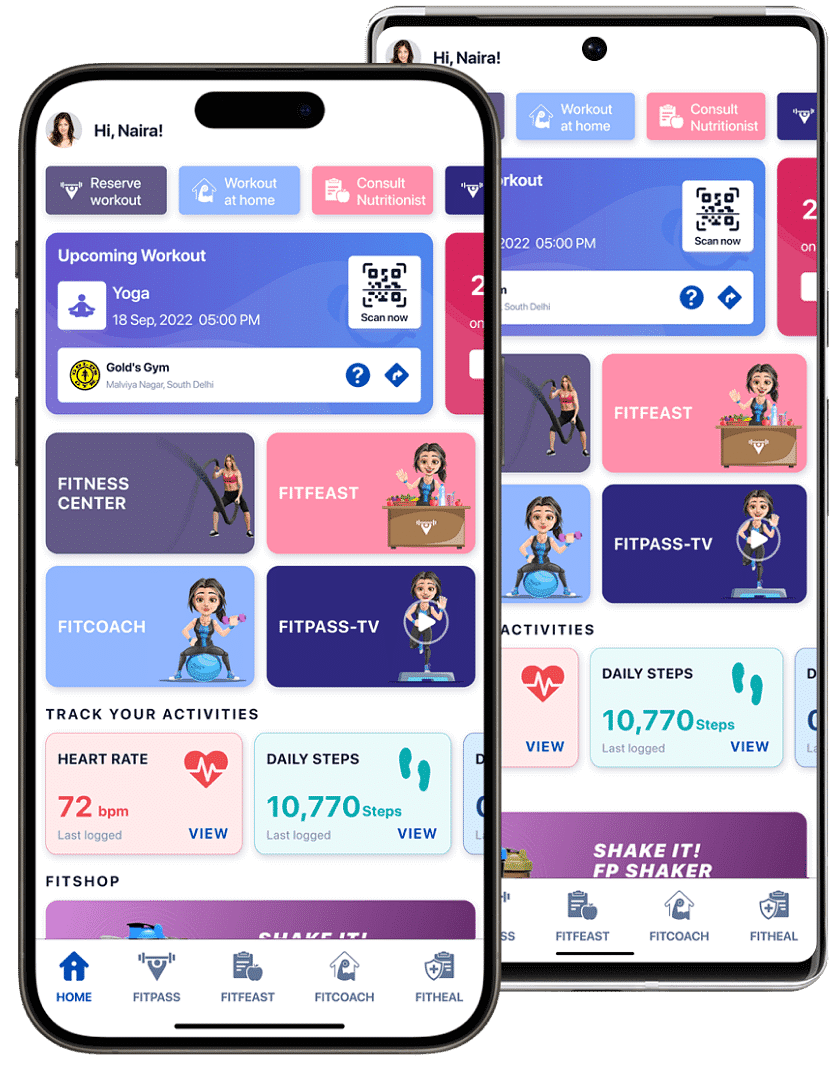
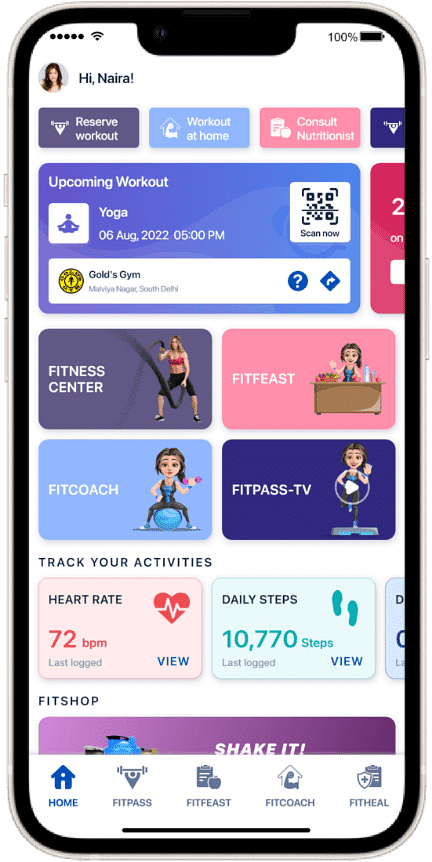
Physical activity remains important, but avoid outdoor exercise when pollution levels are high, particularly early in the morning when smog can be dense. Move workouts indoors, choose lighter activity if you must be outside, and follow daily Delhi air pollution precautions based on the AQI. You can use FITCOACH, an AI-led fitness coach, to train safely from home based on your preferences and goals.
FITPASS gives you access to 12K+ premium gyms and fitness centres across 150+ major Indian cities.
Nutrition with FITFEAST: A Supporting Measure

Good nutrition and hydration support overall health, but they do not remove pollutants from the lungs or replace exposure-reduction measures. Focus on a balanced diet with vitamin C-rich fruits and vegetables, omega-3 sources, magnesium-containing foods, and adequate fluids.
|
Looking for a diet plan to combat air pollution effects?
Speak with a certified dietitian to prioritise your nutrition for better immune function and your personalised needs.
|
Maintaining Your Health During Pollution Season
These simple changes can make a big difference in protecting your health. Consider setting up air-purifying plants around your living area, and be mindful of keeping your space well-ventilated. In addition, stay informed about daily air quality levels and adapt your outdoor activities accordingly. By taking these steps, you can minimise your exposure to Delhi’s severe air pollution and maintain your health throughout the season.
How to Stay Safe From Air Pollution: Daily Checklist
- Check the AQI before leaving home and plan outdoor activities accordingly.
- Stay indoors as much as possible during severe AQI days, especially if you are in a vulnerable group.
- Wear a properly fitted N95 or N99 respirator if prolonged outdoor exposure is unavoidable.
- Avoid busy roads, outdoor workouts, and heavy exertion during high-pollution hours.
- Keep windows and doors closed during severe smog and use a HEPA air purifier.
- Avoid indoor smoking, candles, incense, aerosol sprays, and other combustion sources.
- Wet-mop rather than dry-sweep, and use exhaust fans while cooking.
- Seek medical care for breathlessness, chest pain, dizziness, or worsening respiratory symptoms.
A Final Note on Your Wellness Journey
Delhi air pollution is a challenge, but it does not have to stop your progress. You have the power to protect your lungs through smart choices. Small steps, like picking indoor training over outdoor runs, make a massive difference. Keep your body hydrated, your home ventilated, and your spirits high. Remember that your long-term fitness goals are worth the extra effort in planning.
By staying informed and proactive, you can navigate these difficult months with confidence. Keep breathing easy and keep moving forward on your path to a healthier life.
Stay safe, stay active, and keep prioritising your well-being with FITPASS.