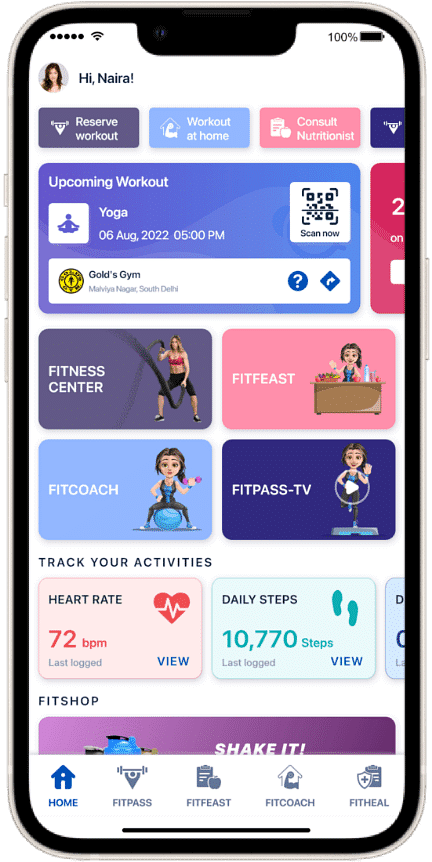
Swimming and walking are both effective ways to stay active, but they serve different fitness purposes. If your goal is weight loss, calorie burn, or improving overall health, choosing the right one depends on how it fits into your routine and physical condition.
This guide helps you make that decision with clarity. Whether you are starting fresh, managing joint discomfort, maintaining mobility with age, or balancing fitness with a busy schedule, you will understand which activity aligns better with your needs. Swimming provides a full-body workout with minimal impact on joints, while walking is easy to sustain daily without any setup. Each offers distinct benefits, and knowing when to choose one over the other can improve both results and consistency.
Swimming vs Walking: What Makes Them Different?
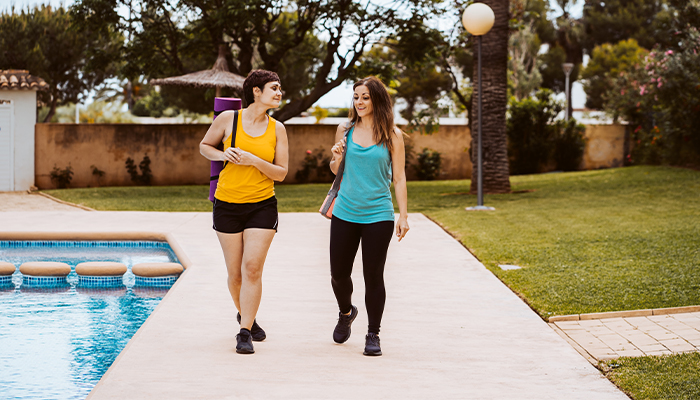
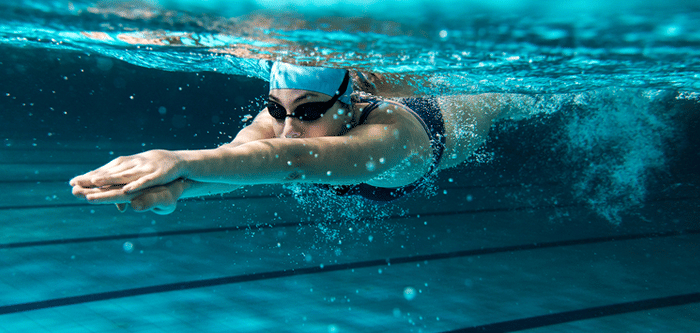
Swimming is a full‑body, water‑based workout. Every movement or stroke pushes against resistance, so your arms, shoulders, back, core, and legs all work together, building strength, endurance, and flexibility at the same time. The water supports your body while still challenging your muscles and lungs, making it very low impact on the joints. Key benefits of swimming are-
- Improves heart and lung health in a gentle way.
- Easy on knees, hips, and the spine, so it suits people with joint pain or arthritis.
- Builds strength and can reduce stress, improving mood.
Walking is a simple, weight‑bearing activity that mainly works the lower body. It improves heart health, helps control blood pressure, supports better blood sugar control, and keeps bones and joints strong. Short daily walks can also reduce stress, improve focus, and support better sleep.
Walking is especially good if you are a beginner, getting back into exercise, have mild mobility issues, or want something you can do without equipment or a gym.
In simple terms, swimming is intensity‑driven, while walking is consistency‑driven.
Which Burns More Calories?
People often ask, “Which burns more calories, swimming or walking?” The short answer is that swimming usually burns more calories in the same amount of time, especially at moderate or higher intensity. Walking burns fewer calories per session but is easier to do every day.
Approximate calorie burn (for a 70 kg person)
|
Activity |
30 minutes |
60 minutes |
|
Brisk walking |
150–200 kcal |
300–400 kcal |
|
Moderate swimming |
200–300 kcal |
400–600 kcal |
|
Vigorous swimming |
300–450 kcal |
600–900 kcal |
*These numbers are estimates. Your actual calorie burn depends on your speed, technique, water temperature, and body weight.
Because swimming uses your arms, core, and legs at the same time, it is more intense than walking. Walking mainly works your lower body, so you can walk longer and more comfortably, even if you are new to exercise.
Swimming vs walking for weight loss
Both swimming and walking can help you lose weight, but they work in different ways.
How swimming helps with weight loss
- It quickly raises your heart rate and burns a lot of calories in a short time.
- It engages your whole body, so you build strength while burning fat.
- It is low impact, which allows you to train more often without stressing your joints.
- Because water cools your body, you may feel hungrier after a swim, so it is important to watch what you eat afterward.
How walking helps with weight loss
- It is simple and easy to do every day, which helps you stay consistent.
- You can walk during breaks, on your commute, or around your home.
- Over time, regular walking supports a calorie deficit and steady weight loss.
What about belly fat?
No exercise “targets” belly fat. Fat loss happens when you create an overall calorie deficit. That said:
- Swimming can speed up fat loss if you do 3–4 moderate or harder sessions per week.
- Walking helps a lot when combined with daily steps and a healthy diet.
For most people, using swimming for intensity and walking for daily movement gives the best balance.
Which is better for your joints?
Both swimming and walking are more joint‑friendly than running, but they are not the same.
Swimming and joint health
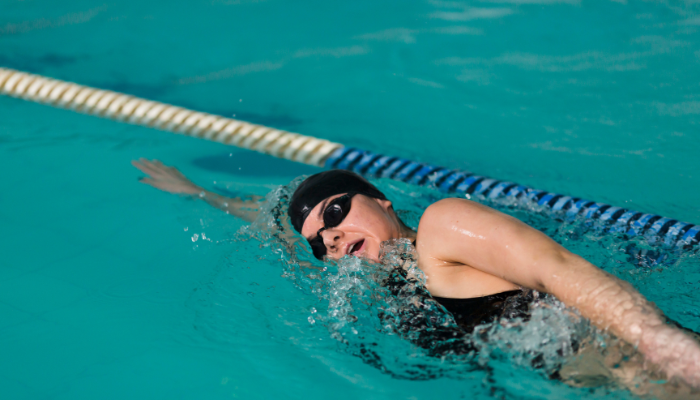
- The water reduces pressure on your knees, hips, and spine.
- This makes swimming an excellent choice for people with arthritis, chronic back pain, or older adults whose joints feel stiff.
Walking and joint health

- Walking puts gentle load on joints, which can actually strengthen them over time.
- It may not feel comfortable if you already have significant joint pain, unless you walk slowly and wear supportive shoes.
In general, swimming is safer if joints are a major concern, while walking is better if you want light, daily load‑bearing activity.
Muscle Engagement and Overall Fitness
Swimming works almost every muscle group in the body. It builds strength, endurance, and coordination while improving lung capacity.
Walking focuses on the lower body. It strengthens the legs and improves heart health, circulation, and stamina.
Swimming provides a more complete workout, while walking builds a strong fitness foundation.
Best Choice Based on Your Lifestyle and Goals
1. For Beginners
- Walking is usually the top choice for absolute beginners because it is simple, low‑intensity, and easy to control.
- Swimming is great if you already feel comfortable in water or have joint issues that make walking uncomfortable.
2. Best for people with joint, knee pain or arthritis
Swimming is the safer option because it removes pressure from joints. Walking can still be included in moderation, preferably on soft surfaces and at a comfortable pace.
Prioritizing low-impact movement helps prevent further injury.
3. For Adults Over 40 and Seniors
- Many seniors benefit from walking to maintain balance, mobility, and daily function.
- Swimming or water walking can be excellent if joint pain, stiffness, or limited mobility is a concern.
- A mix of short daily walks and 1–2 pool sessions per week can support both independence and long‑term quality of life.
4. For busy professionals
- Walking is easy to fit into a packed schedule—before work, after work, or during breaks.
- Swimming can be a powerful “high‑value” workout if you have access to a pool and can block 30–45 minutes 2–3 times a week.
5. For Women Focused on Fat Loss and Toning
Swimming supports full-body toning and helps improve muscle definition without excessive strain.Walking helps regulate stress and hormones, which are important factors in fat loss.
Combining both creates a balanced routine that supports both physical and hormonal health.
6. For Advanced Fitness Enthusiasts
If you already have a strong fitness base, both activities can be intensified.
Swimming can be performed in intervals to increase cardiovascular performance. Walking can be upgraded to power walking or incline walking.
Combining intensity with variation helps break plateaus and improve overall performance.
Ideal Weekly Plan for Best Results
A balanced weekly routine can maximize results without causing burnout.
- 3 to 4 days of swimming for high-intensity workouts
- 2 to 3 days of brisk walking for recovery and consistency
- 1 rest day
This combination improves fat loss, recovery, and long-term adherence.
How to make this work for you
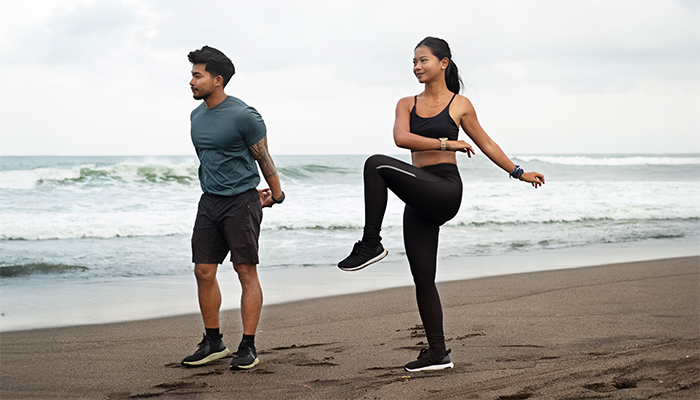
- If you are just starting out, focus on walking first and build a daily habit.
- If you have joint pain or are older, consider swimming or water exercises as a safer, low‑impact option.
- If you are a busy professional, use walking for quick daily movement and swimming for focused, higher‑intensity workouts.
- If your goal is weight loss, combine walking’s consistency with swimming’s intensity.
Whichever you choose, the most important thing is to stay active regularly. Swimming vs walking is not about finding one perfect exercise; it is about choosing what fits your age, body, and lifestyle best.
Build a Flexible Fitness Routine
With FITPASS 360, you can access swimming pools, gyms, and fitness centers across your city. This flexibility allows you to switch between workouts based on your schedule and goals.
A routine that adapts to your lifestyle is easier to maintain and far more effective in the long run.

Why swimming is the best exercise?
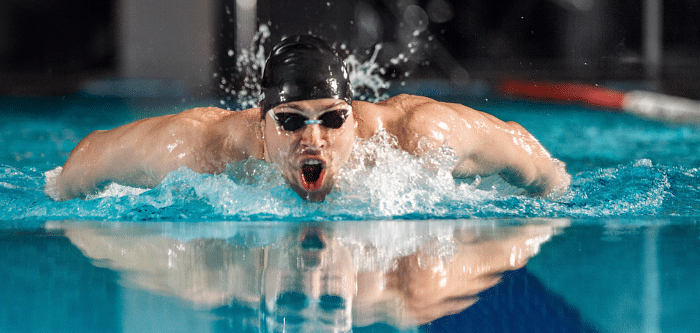
Swimming is the best combination of cardio and strength exercise. You can hate running, hate being on a treadmill or hopping around is exhausting and tiring. But swimming is the best way to skip cardio and strength at the gym and fitness studio and get your cardio workouts in the pool.
Can you lose your weight if you walk for 30 minutes per day?
As walking regularly will control your weight control it will causes you consume your calories. In the event that you include 30 minutes of energetic strolling to your day by day schedule, you could consume around 150 additional calories daily.
Would you be able to lose your belly fat by walking regularly?
Walking is a low intensity cardiovascular exercise. It will lose about 155 pounds, a 30-minute energetic stroll at 3.5 mph and will consume 134 calories.
How much walking steps you should take in a day?
It's a good idea to find out how many steps a day you should take in a day? You can set up a goal of 10,000 steps by aiming to add 1,000 extra steps a day every two weeks.
Selecting the proper workout will always make a big difference in how much you enjoy walking or swimming. Remember, you are looking for the overall fitness in your body. After all everything depends on your body needs!
Why swimming is the best exercise?
Swimming is the best combination of cardio and strength exercise. You can hate running, hate being on a treadmill or hopping around is exhausting and tiring. But swimming is the best way to skip cardio and strength at the gym and fitness studio and get your cardio workouts in the pool. The most basic piece of swimming is to keep above water by always moving, in the event that you don’t at that point you begin to sink.
Can swimming exercise lose your belly fat?
We all know that there are no magical tricks to reduce your belly fat fast. But swimming is an exceedingly oxygen consuming activity that, whenever done routinely, can consume muscle versus fat. While sprinkling in the pool, you will in general spotlight on fun, instead of on the quantity of calories consumed and which muscles are being conditioned. That additional paunch fat needs to go.
Is it good to swim regularly?
As a matter of first importance, indeed, swimming exercise will make you tired. You stress the muscles with the goal that they get can more grounded and increase more continuance. So go for it every day.
Can you lose your weight if you walk for 30 minutes per day?
As walking regularly will control your weight control it will causes you consume your calories. In the event that you include 30 minutes of energetic strolling to your day by day schedule, you could consume around 150 additional calories daily.
Would you be able to lose your belly fat by walking regularly?
Walking is a low intensity cardiovascular exercise. It will lose about 155 pounds, a 30-minute energetic stroll at 3.5 mph and will consume 134 calories.
How much walking steps you should take in a day?
It's a good idea to find out how many steps a day you should take in a day? You can set up a goal of 10,000 steps by aiming to add 1,000 extra steps a day every two weeks.
Selecting the proper workout will always make a big difference in how much you enjoy walking or swimming. Remember, you are looking for the overall fitness in your body. After all everything depends on your body needs!
How many calories 30 min walk?
A 30-minute walk burns approximately 150-200 calories, depending on your weight and walking speed. It’s a simple yet effective way to stay active.