Your shoulders do far more than help you lift weights in the gym. Every time you reach for something on a high shelf, carry groceries, push a door open, throw a ball, or press a dumbbell overhead, your shoulders are actively working. They connect your upper body movements and play a role in almost every arm action you perform. Because of this constant involvement, shoulder strength is not only about appearance, it directly affects daily functionality, athletic performance, and long-term joint health.
The shoulder is also the most mobile joint in the human body. This wide range of motion allows freedom of movement, but it comes with a trade-off: stability. Unlike other joints that are built for support, the shoulder relies heavily on surrounding muscles for protection. As a result, it becomes one of the most commonly irritated or injured areas for gym-goers, often not due to heavy training, but due to improper training.

Many workout plans treat shoulders as a short add-on session consisting of a few presses and raises at the end of a workout. However, effective shoulder workout requires more than selecting random exercises. Understanding how the deltoid muscles function, how supporting muscles stabilize the joint, and how recovery influences performance is essential for safe and consistent progress.
This guide focuses on how the shoulder joint works, why injuries occur, and how to structure training for long-term strength and durability. Think of this article as your foundation. Once you understand how your shoulders are designed to move and respond to training, every future workout becomes safer, more effective, and sustainable over time.
Understanding Shoulder Anatomy: More Than Just Deltoids
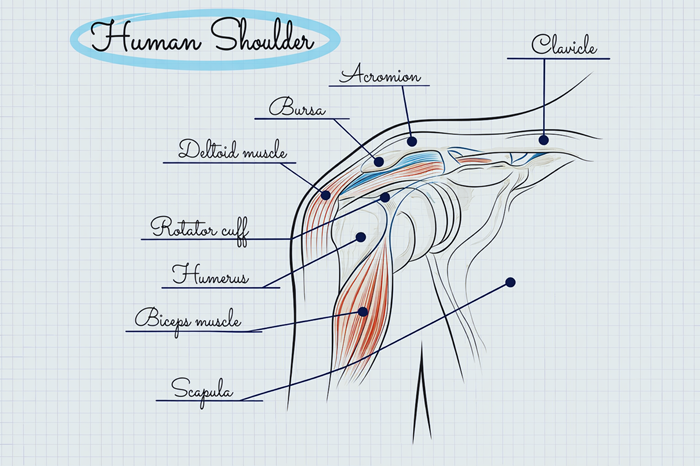
The shoulder is a remarkably mobile ball-and-socket joint called the glenohumeral joint, which allows for an extensive range of motion in multiple planes. Most people associate shoulder training with the deltoid muscle, but the shoulder joint is a collaborative system.
The Deltoid Muscle
The deltoid is divided into three heads:
- Front (anterior) deltoid - Located at the front of your shoulder and assists in lifting the arms forward and overhead
- Side (lateral) deltoid - The middle portion of your shoulder which creates shoulder width and controls arm elevation
- Rear (posterior) deltoid - Often the most neglected of the three heads, this supports pulling movements and posture
While all three contribute to shoulder shape, their role in joint balance is even more important than aesthetics.
The Rotator Cuff: The Unsung Protector
Beneath the deltoids lies the rotator cuff, a group of smaller muscles responsible for stabilising the shoulder joint. These muscles do not generate impressive size or strength, but they keep the shoulder centred and controlled during movement.
Weak or neglected rotator cuff muscles are one of the leading contributors to chronic shoulder pain, especially among gym-goers and desk workers.
Supporting Structures
The trapezius muscle (upper, middle, and lower portions) also plays a significant role in shoulder function, assisting with overhead movements and scapular stability.
Why the Shoulder Is Naturally Unstable
The shoulder is a ball-and-socket joint, designed for freedom of movement rather than structural stability. Unlike the hip joint, which is deep and secure, the shoulder sacrifices stability for mobility.
This is why shoulder health depends more on muscular balance and control than on raw strength.
The Real Benefits of Proper Shoulder Training
Many people wonder if direct shoulder workout is necessary, especially if they're already doing compound pressing and pulling movements. The answer is a resounding yes and here's why:
1. Better Performance in Other Workouts
Strong shoulders improve your performance in virtually every upper body exercise. Whether you're benching, doing pull-ups, or performing Olympic lifts, shoulder strength and stability are fundamental. Athletes in throwing sports, swimming, tennis, and volleyball particularly benefit from dedicated shoulder training.

2. Improved Posture in Daily Life
Rounded shoulders and forward head posture are common side effects of modern lifestyles. Targeted shoulder training helps counteract these patterns by reinforcing proper alignment and muscular support.
3. Functional Strength for Daily Life
Beyond the gym, shoulder strength matters for everyday activities: lifting children, reaching overhead shelves, carrying bags, pushing heavy doors, and maintaining independence as we age. Strong shoulders are protective and functional.
4. Injury Prevention
Perhaps most importantly, properly trained shoulders with balanced development across all three deltoid heads and strong rotator cuffs significantly reduce wear and tear on tendons and ligaments. This is critical for preventing overuse injuries that often develop silently over time.
Why Shoulder Injuries Are So Common
Shoulder injuries rarely happen overnight. They develop gradually due to repetitive stress, imbalance, or poor movement habits.
Root Causes of Shoulder Injuries
- Training shoulders too frequently without sufficient rest
- Neglecting rear delts and stabilisers
- Poor posture from prolonged sitting or Poor exercise technique by using momentum, excessive weight, or improper form
- Skipping warm-ups and mobility work and Jumping straight into heavy lifting with cold muscles and connective tissue
- Training through pain instead of addressing it
Because shoulders are involved in so many movements, even small issues can escalate if ignored.
Most Common Shoulder Injuries in Gym Workouts
The rotator cuff is a group of small muscles that hold the shoulder joint in place. Repeated overhead lifting can strain these muscles. Early symptoms include pain while lifting the arm, weakness during pressing movements, and discomfort while sleeping on one side. If ignored, the strain may turn into a tear.
-
Shoulder Impingement Syndrome
Impingement happens when shoulder tendons get compressed during arm movement. People usually feel a sharp pinching sensation at certain angles. It is commonly caused by poor posture, muscle imbalance, and incorrect lifting technique. Continuous irritation can damage the tendons.
The labrum is cartilage that stabilises the shoulder socket. Heavy lifting, sudden injury, or repeated stress can tear it. This condition often causes weakness and a feeling of instability during movement.
Overuse can inflame the shoulder tendons or the cushioning sacs around the joint. This leads to swelling, tenderness, and aching pain. Symptoms usually worsen during pushing or lifting activities.
Frozen shoulder causes stiffness and reduced movement. It often develops after injury or long periods of inactivity. Daily tasks like reaching overhead or behind the back become difficult.
Recognising symptoms such as pain at certain angles, weakness, stiffness, or limited motion helps you act early and adjust training before the injury becomes serious.
Pain vs Soreness: Knowing the Difference
One of the most searched questions around shoulder training is whether pain is normal.
- Muscle soreness is typically dull, symmetrical, and improves with movement.
- Joint pain is sharper, localised, and often worsens during specific motions.
Training through joint pain is one of the fastest ways to derail long-term progress.
The Importance of Warming Up Your Shoulders
The shoulder warm-up might be the most critical 10 minutes of your entire workout. The shoulder joint involves numerous muscles, tendons, and ligaments that require adequate blood flow and temperature increase for optimal performance and injury prevention.
Benefits of Proper Warm-Up
A thorough shoulder warm-up delivers multiple benefits:
- Increases blood flow to shoulder muscles and connective tissue
- Reduces muscle and tendon stiffness that can limit range of motion
- Activates the nervous system for better muscle recruitment
- Improves power output during working sets
- Significantly reduces injury risk
A Warm-Up Schedule
Your shoulder warm-up should include three components:
- Dynamic Mobility (3-4 minutes): Arm circles, shoulder rolls, arm swings, and wall slides that take your shoulder through its full range of motion without resistance.
- Activation Exercises (4-5 minutes): Light resistance band work including pull-aparts, face pulls, external rotations, and over-and-backs that activate the rotator cuff and rear delts specifically.
- Ramping Sets (3-4 minutes): Perform 2-3 progressively heavier sets of your first exercise at 40%, 60%, and 80% of your working weight to prepare the specific movement pattern.
Never skip this process. Ten minutes of warm-up can prevent months of injury rehabilitation.
How Often Should You Train Shoulders?
Shoulders are indirectly trained during chest and back workouts, which means they often receive more volume than people realise.
For most individuals:
- 2 focused shoulder sessions per week are sufficient
- Additional indirect work comes from pressing and pulling exercises
- Recovery matters more than frequency
Training shoulders too frequently without adequate recovery can lead to inflammation and reduced performance.
Nutrition and Recovery for Shoulder Health
You cannot build strong shoulders if recovery is poor. Shoulder joints and tendons heal slower than muscles because they receive less blood supply. Training alone does not improve them. Recovery habits do.

1. Protein for Repair and Growth
Protein provides the amino acids needed to repair damaged muscle fibers and connective tissue. A practical target is 1.6–2.0 grams of protein per kilogram of body weight daily. Spread it across 4–5 meals instead of eating it all at once. This keeps muscle repair active throughout the day.
Good protein sources
- Chicken breast and fish
- Eggs and dairy (Greek yogurt, paneer, cottage cheese)
- Lean meat
- Tofu, tempeh, lentils, beans, and quinoa
2. Carbohydrates Support Recovery
Carbohydrates are not the enemy when you train. They refill muscle glycogen that gets depleted during workouts. Without enough carbs, the body struggles to recover and training performance drops. Energy intake also supports the hormone response needed for muscle growth.
3. Healthy Fats and Anti-Inflammatory Foods
Omega-3 fatty acids found in fatty fish, walnuts, and flaxseed have anti-inflammatory properties that support joint health and recovery. The shoulder joint takes considerable stress, so supporting it with anti-inflammatory nutrition is smart. Berries, leafy greens, turmeric, and ginger also provide anti-inflammatory benefits.
4. Hydration Matters
Water plays a direct role in muscle contraction, nutrient transport, and joint lubrication. Even mild dehydration reduces performance and increases injury risk. Aim for about 3–4 litres of water daily, and more on training days or in hot weather.
5. Sleep and Recovery
Nutrition alone is not enough. Sleep is when the body performs most tissue repair. Poor sleep slows recovery and increases the chance of shoulder pain, especially in complex joints that rely on many small stabilising muscles. 7-9 hours of quality sleep allows muscles, tendons, and ligaments to rebuild properly and prepares the shoulders for the next workout.
Strong shoulders are not built only in the gym. They are built during recovery. Proper nutrition, hydration, and sleep determine whether training strengthens the joint or slowly damages it.
When Should You Modify or Pause Shoulder Workouts?
It is wise to adjust training if you experience:
- Sharp, shooting pain (distinct from muscle burn or fatigue)
- Pain persisting for more than a few days after training
- Significant loss of range of motion
- Visible swelling or deformity
- Numbness or tingling radiating down your arm
- Inability to lift your arm overhead
Don't ignore these symptoms. Early intervention prevents minor issues from becoming major problems requiring surgery or extended rehabilitation.
Conclusion: Building Shoulders That Last
Building strong, well-developed shoulders is a long-term investment in both your physique and your functional capacity. The shoulders are complex structures requiring thoughtful training that balances all three deltoid heads, strengthens the rotator cuff, emphasizes proper form over heavy weight, and allows adequate recovery.
Remember that shoulder training isn't just about aesthetics. Strong, healthy shoulders enhance your quality of life, protect you from injury, and enable you to train and perform optimally in all other lifts. Approach your shoulder workouts with the respect this complex joint deserves, and you'll build shoulders that not only look impressive but function optimally for decades to come.
Start implementing these principles today, progress patiently, and watch your shoulders transform into a source of strength and pride.