Loading...
loading...

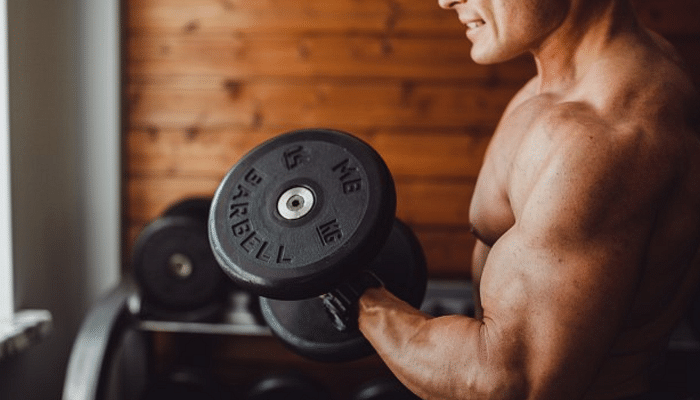
Yes. A well-planned dumbbell workout routine can stimulate muscle growth effectively by progressively increasing weight and volume.
Beginners can start with 3 days a week. Intermediate to advanced lifters can train 4–5 days with a split dumbbell workout plan.
Both have benefits. Dumbbells improve stability and correct imbalances, while barbells allow heavier lifts. A combination works best.
Absolutely. You can perform dumbbell squats, farmers carries, dumbbell deadlifts, and many other dumbbell exercises at home with no bench.

Table Of Contents
Strength training doesn’t always need fancy gym machines or bulky equipment. A pair of dumbbells can give you everything you need for muscle growth, fat loss, and overall fitness. Whether you’re a beginner or a seasoned athlete, a dumbbell workout offers variety, efficiency, and results. With the right dumbbell workout plan, you can build strength, improve balance, and target every muscle group without stepping into a crowded gym.
But why are dumbbells so effective? Unlike machines that lock you into a fixed range of motion, dumbbells engage stabiliser muscles, improve coordination, and allow you to train both sides of your body equally. From full-body dumbbell workouts to isolation moves like bicep curls with dumbbells, they’re versatile, accessible, and highly effective.
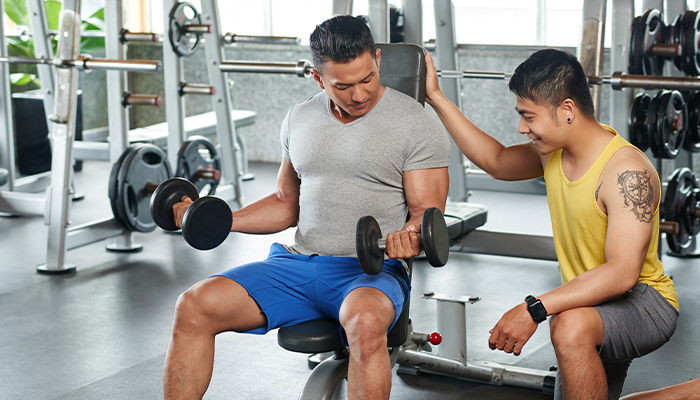
When it comes to strength training, dumbbells often outperform machines. Research published in the Journal of Strength and Conditioning Research (2016) found that the dumbbell bench press activates more chest and stabiliser muscles than the barbell bench press. This increased engagement makes dumbbells ideal for developing functional strength.
Another study in Sports Medicine (2020) highlighted that dumbbell training improves joint stability and range of motion, reducing injury risks compared to rigid gym machines. In other words, dumbbells help you move better, not just lift heavier.
Before diving into specific exercises, it’s important to understand the benefits of working out with dumbbells:
Strength training with dumbbells doesn’t just build muscle; it enhances joint health, bone density, and everyday movement patterns. Here are some of the best dumbbell exercises for strength:
A staple for back workouts with dumbbells. This movement strengthens hamstrings, glutes, and the lower back.
Targets the hamstrings while improving hip mobility, great for athletes and runners.
From standard to tripod dumbbell rows, they are excellent for developing a strong back and improving posture.
Perfect for chest workouts with dumbbells, these exercises develop the pectorals while engaging stabiliser muscles.
Both movements are fundamental shoulder workouts with dumbbells, strengthening delts and triceps.
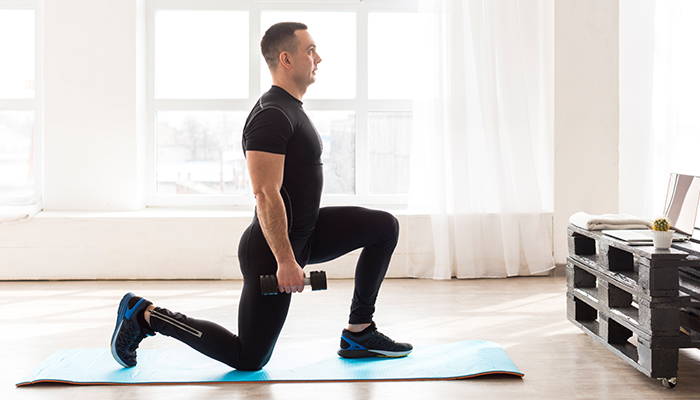
If you’re looking for efficiency, a full-body dumbbell workout covers all major muscle groups in one session. Here’s a simple yet powerful dumbbell fitness routine:
This routine can be done 3–4 times a week, with gradual progression in weights for long-term results.
Not everyone has time for the gym, and that’s where home dumbbell strength training shines. A pair of adjustable dumbbells and some space is all you need. You can do:
For beginners, focus on beginner dumbbell workouts with lighter weights, prioritising form over load.
Strength is not the only goal. Many fitness enthusiasts prefer a dumbbell workout for muscle tone to achieve lean, defined muscles. High-rep sets of dumbbell lateral raises, dumbbell front raises, and dumbbell shrugs can tone shoulders and traps. Pair this with quad workouts with dumbbells and hamstring workouts with dumbbells to achieve balanced, toned legs.
Transitioning from strength to tone requires adjusting your dumbbell workout plan, heavier loads for strength, lighter weights and higher reps for definition.
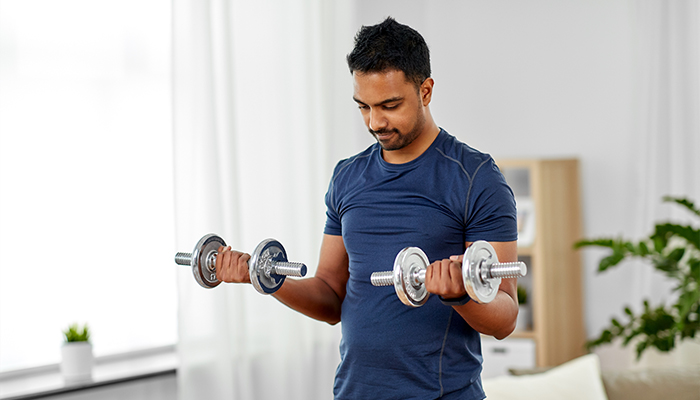
Proper form is the difference between progress and injury. Here are some dumbbell form tips:
Remember, dumbbells allow natural movement patterns, but poor form can still lead to strain.
Creating an effective dumbbell workout plan means balancing compound and isolation exercises. Here’s a sample 4-day split:
This structure ensures every muscle group gets attention while giving time for recovery.
When I first started fitness training, I relied heavily on machines. They were simple, safe, and guided my movements. But over time, I noticed slow progress and recurring stiffness. That’s when I switched to a dumbbell fitness routine.
Starting with beginner dumbbell workouts, I gradually learned exercises like dumbbell pullovers and dumbbell thrusters. Within a few months, not only did my strength improve, but I also felt more agile and balanced. The variety kept me motivated, and I could even continue working out with dumbbells at home on busy days.
Today, dumbbells remain my go-to equipment for both strength and tone. They’ve truly reshaped the way I train, offering freedom and results that machines never could.
Working out with dumbbells is one of the most effective ways to build strength, improve balance, and achieve muscle tone. Whether you’re lifting for size, endurance, or overall fitness, dumbbells offer endless possibilities. From dumbbell curls to farmers carries with dumbbells, the versatility ensures no muscle is left behind.
The beauty of dumbbells lies in their simplicity – portable, affordable, and effective. With a clear dumbbell workout plan and the right form, they can help you reach your fitness goals without relying on expensive machines.
If you’re looking for structured plans, community motivation, and access to expert-guided workouts, platforms like FITPASS can help you make the most of your dumbbell training.