Loading...
loading...




Lemon water supports weight loss by replacing high-calorie sugary drinks and by promoting a feeling of fullness before meals. It doesn't directly burn fat.
Yes, if consumed undiluted or excessively. Always dilute (1 tablespoon juice in 240 ml water), use a straw, and rinse your mouth after drinking.
Lemon water does not detox the body directly. The body already has natural detoxification systems through the liver and kidneys. Lemon water mainly supports hydration.
Some people find that lemon water helps stimulate digestive juices and reduce bloating, although individual results may vary.
Yes , citrate in lemon juice has strong clinical evidence for preventing calcium oxalate kidney stones. The National Kidney Foundation includes lemon juice as a dietary recommendation.
First thing in the morning, on an empty stomach, is ideal. It stimulates digestion, rehydrates the body after sleep, and sets a healthy routine tone for the day.
Yes, one to two glasses daily is safe for most healthy adults and offers cumulative benefits over time. Avoid exceeding 3 glasses per day to protect tooth enamel.

Starting the day with a simple habit like drinking lemon water in the morning has become popular among people trying to improve their health and lifestyle. From hydration and digestion to vitamin C intake, lemon water offers several benefits when consumed regularly.
While lemon water is not a miracle cure or detox drink, it can still play a helpful role in supporting hydration, digestion, immunity, and overall wellness when included as part of a balanced lifestyle.
In this guide, we explore the benefits of lemon water, the best time to drink it, how it may support digestion and weight management, and any possible side effects.
Lemon water is simply water mixed with freshly squeezed lemon juice. That's it. No fancy prep. No expensive ingredients.

One glass made with the juice of half a medium lemon (~48g) contains:
|
Nutrient |
Amount Per Glass |
% Daily Value |
|
Calories |
~10–11 kcal |
— |
|
Vitamin C |
~18–21 mg |
21% DV |
|
Potassium |
~49 mg |
1% DV |
|
Folate |
~6 mcg |
2% DV |
|
Citric Acid |
~1.4g |
— |
|
Flavonoids |
Trace amounts |
— |
Source: USDA FoodData Central
Drinking lemon water first thing in the morning helps rehydrate your body after several hours of sleep. During the night, the body loses fluids through breathing and metabolism, which is why many people wake up slightly dehydrated.
Starting the day with water mixed with fresh lemon juice can help:
Many people also find that the refreshing taste of lemon makes it easier to drink more water, which supports overall hydration and metabolic function.

Every night, your body goes 7 to 8 hours without drinking water. By the time you wake up, you are usually in a mild state of dehydration. Drinking water first thing in the morning helps restore hydration quickly. Adding lemon can make the water taste better, which often encourages people to drink more water and maintain better daily hydration.
The National Institute of Diabetes and Digestive and Kidney Diseases (NIDDK) recommends that adults drink 6 to 8 glasses of water (about 8 oz each) per day. Starting your day with a glass of lemon water in the morning helps you begin meeting that daily hydration goal.
Lemon also adds small amounts of potassium, an electrolyte that helps maintain fluid balance, nerve function, and muscle activity. Because of this, drinking lemon water in the morning may support hydration while also providing a refreshing start to the day.
The citric acid in lemon juice can stimulate the production of gastric juices, which are fluids the stomach uses to break down food. When digestion starts efficiently, it may help reduce common issues like bloating or sluggish digestion after meals.
Some small nutrition studies have suggested that drinking lemon water before meals may support intestinal movement, also known as peristalsis. This is the natural muscular contraction that helps move food through the digestive tract. Proper intestinal movement is important for maintaining regular digestion and gut health.
Lemon water may also encourage people to drink more fluids in the morning, which helps support overall digestive function and hydration.
Best practice: Drinking warm lemon water in the morning on an empty stomach, about 15 to 20 minutes before breakfast, may help gently activate digestion and prepare the stomach for the first meal of the day.
Lemons are a good source of vitamin C, also known as ascorbic acid. Vitamin C is a powerful antioxidant that supports several important functions in the body. A glass of lemon water can provide a portion of your daily vitamin C needs, depending on how much lemon juice is used.
Vitamin C plays an important role in:
Research reviews have shown that regular vitamin C intake may slightly reduce the duration of common cold symptoms in adults. While drinking lemon water alone will not prevent illness, it can contribute to your daily vitamin C intake and support overall immune health as part of a balanced diet.

Many people link lemon water with weight loss, but it is important to understand how it actually works.
Lemon water does not directly burn fat or cause weight loss on its own. However, it may support weight management in a few indirect ways.
When combined with a balanced diet, regular exercise, and healthy lifestyle habits, lemon water can be a simple and refreshing addition to a weight management routine.
One of the well-known health benefits of lemon water is its potential role in supporting kidney health, especially for people who are prone to kidney stones.
Lemons contain high levels of citrate, a compound derived from citric acid. Citrate in urine can help reduce the risk of certain types of kidney stones by:
The National Kidney Foundation notes that increasing citrate intake through foods like lemons may help reduce the risk of kidney stone formation for some individuals. Drinking lemon water regularly can be one simple dietary habit that supports this goal.
People who have had kidney stones before or have a family history of them may benefit from including lemon water as part of a balanced diet, along with proper hydration and medical guidance from a healthcare professional.
The link between lemon water and healthy-looking skin is often discussed, but the benefits come mainly from its vitamin C content, not from any detox effect.
Vitamin C plays an important role in collagen production. Collagen is the structural protein that helps keep skin firm, smooth, and elastic. As we age, the body naturally produces less collagen. Getting enough vitamin C through foods and drinks like lemon water can help support normal collagen formation and overall skin health.
Lemon water also provides antioxidants that help protect the body from free radicals. Free radicals are unstable molecules produced by factors such as pollution, UV exposure, and stress, and they can contribute to premature skin ageing.
Research published in the American Journal of Clinical Nutrition has found that higher vitamin C intake is associated with a lower likelihood of wrinkled skin and dryness in adults. While lemon water alone will not transform skin, it can contribute to hydration and vitamin C intake, both of which support healthy skin over time.
Lemons contain potassium and flavonoids, both of which are associated with better cardiovascular outcomes.
While a single glass of lemon water won't transform your heart health overnight, as a daily habit over months and years, it contributes to a cardiovascular-friendly lifestyle.
This is one of the most searched questions about lemon water, and the answer depends on your goal:
|
Warm Lemon Water |
Cold Lemon Water |
|
|
Best for |
Digestion, morning detox, bloating |
Hydration, post-workout, hot weather |
|
Effect on digestion |
Stimulates gut motility more effectively |
Slightly slower gastric emptying |
|
Nutrient retention |
Comparable if water isn't boiling hot |
Comparable |
|
Taste preference |
More soothing, tea-like |
More refreshing, citrus-forward |
|
When to drink |
Morning, on empty stomach |
Anytime during the day |
Verdict: Warm or room-temperature lemon water is better for morning consumption. Avoid boiling water as high heat degrades Vitamin C.

The recommended amount: 1–2 glasses per day.
Do not exceed 3 glasses per day. More is not better — excess citric acid over time can erode tooth enamel and aggravate acid-sensitive digestive conditions.
Half a lemon + 240 ml warm water. Drink on an empty stomach. Best for digestion and morning detox.
Half a lemon + 1 tsp raw honey + 240 ml warm water. Soothes throat, adds natural energy, supports immunity. Great during cold and flu season.
Half a lemon + ½ inch grated ginger + 240 ml warm water. Powerful anti-inflammatory combination. Excellent for bloating and nausea.
Half a lemon + 5–6 mint leaves + 300 ml cold water. Refreshing post-workout drink. Great for summer mornings.
Half a lemon + ¼ tsp turmeric + pinch of black pepper + 240 ml warm water. Anti-inflammatory powerhouse. Pairs curcumin with Vitamin C for better absorption.
Although lemon water is generally safe for most people, excessive consumption may cause some side effects.
Lemon juice is acidic and may weaken tooth enamel over time.
Tips to reduce risk:
Some people may experience acid reflux or heartburn after drinking lemon water, especially if they already have acid sensitivity. If this happens, try adding more water to dilute the lemon juice or avoid drinking lemon water on an empty stomach.
Because lemon juice is naturally acidic, drinking it in large amounts may irritate a sensitive stomach. It is best to drink lemon water in moderate amounts and see how your body responds.

Pro tip: Squeeze a full week's worth of lemon juice into an ice cube tray and freeze. Drop one cube into warm water each morning for hassle-free prep.
Drinking lemon water in the morning is a simple habit that can help support hydration, vitamin C intake, and healthy digestion . While it is not a miracle drink for detox or quick weight loss, it can still be a refreshing way to start the day and encourage better hydration.
Many of the benefits of lemon water come from staying hydrated and choosing healthier drinks, especially when it replaces sugary beverages or helps you drink more water during the day.
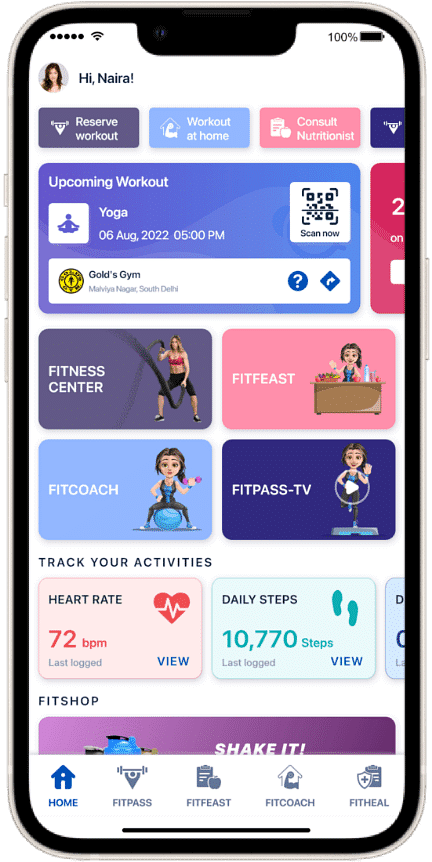
If you want to see better results from your nutrition habits, start by becoming more aware of what you eat each day. Logging your meals and tracking your daily calorie intake in the FITPASS app can help you understand your eating patterns and make healthier choices. You can also access nutrition guidance and personalised insights to support your fitness and wellness goals.