Air pollution quietly changes our bodies long before we notice serious illness. Tiny particles and gases in the air trigger inflammation, strain the heart and lungs, and even affect our energy, mood and fitness. Spotting early signs of pollution on health helps you act fast, change habits, protect your family and make better choices about exercise and daily life.
Key Takeaways
- Early signs of pollution include cough, shortness of breath, throat irritation, persistent fatigue and poor recovery from workouts.
- Fine particles (PM2.5) and gases (NO₂, ozone) cause inflammation and can travel from the lungs into the bloodstream.
- Outdoor exercise is great, but when air quality is poor, choose indoor activities or change timing and route.
- Simple protections (masks, air purifiers, avoiding busy roads) reduce immediate exposure and improve fitness outcomes.
- Long-term exposure links to heart disease, diabetes and cognitive risks; policy and personal action both matter.
Why Early Detection Matters: Pollution and Your Body

Pollution doesn’t always announce itself loudly. Often, it begins as small, repeatable symptoms: you cough after a commute, your breathing feels tight after an evening run, or you tire faster than usual. These early signs of pollution on health matter because they give you a chance to reduce exposure and prevent longer-term harm. Short-term exposures can worsen asthma and trigger hospital visits, while repeated exposure increases the risk of heart disease, diabetes and other chronic illnesses.
When you understand how pollution affects the body, you can translate small signals into practical steps, change when and where you exercise, improve indoor air, or speak to a clinician if symptoms persist.
Common Early Signs of Pollution on Health
Below are the most common early warning signs. If several appear together, treat them as a prompt to check local air quality and adjust behaviour.
Persistent cough or throat irritation
Breathing polluted air irritates the throat and airways. A dry, persistent cough after being outdoors, especially in high-traffic or industrial areas, is one of the first smog symptoms people notice.
Shortness of breath or a tight chest during activity
If a familiar run now leaves you breathless or your chest feels tight, pollution may be reducing your lung function during exertion. Even healthy people can feel this on high-PM or ozone days.
Unusual fatigue and slower recovery
Pollution increases systemic inflammation and oxidative stress, making muscles recover more slowly and leaving you unusually tired after workouts. This reduces performance and may push people to cut training short.
Eye watering, headaches or dizziness
Gases like NO₂ and ozone can irritate eyes and trigger headaches, particularly during smog episodes. These symptoms often come on after time spent near busy roads or in enclosed spaces with poor ventilation.
Worsening of allergies or asthma symptoms
People with asthma or chronic bronchitis often see earlier and stronger flare-ups on polluted days. If you need your reliever inhaler more often after being outside, that’s a clear sign.
How Pollution Affects the Body

Air pollutants include tiny solid or liquid particles (PM10, PM2.5), gases (such as nitrogen dioxide/NO₂, and ozone, O₃), and volatile organic compounds. When you breathe them in, they initially reach the lungs, damaging cells, triggering inflammation, and increasing mucus production. From the lungs, the smallest particles can cross into the bloodstream. Once in circulation, they interfere with blood vessels, raise blood pressure and promote clotting. Over time, this raises the risk of heart attacks and strokes.
Beyond heart and lungs, researchers now link long-term exposure to metabolic and neurological effects, including insulin resistance and higher dementia risk. These links are still under study, but the biological signals (inflammation, oxidative stress) explain why pollution affects so many organs.
Pollution and Fitness: What to Watch for While Training
If you care about fitness, pollution and respiratory issues can blunt gains and raise short-term risks. When you exercise, you breathe harder and more deeply, inhaling a larger dose of airborne particles. That can mean more irritation and more particles reaching your lungs and blood. Yet exercise also benefits health; studies show that, overall, the benefits of being active usually outweigh risks from moderate pollution exposure. The nuance is in timing, intensity and location.
Practical red flags during training:
- Sudden decline in endurance or speed on routes you used to manage comfortably.
- New wheeze, persistent cough or chest tightness after running.
- Longer recovery times and unexplained muscle soreness.
If these appear consistently on certain routes or days, change your routine: move workouts indoors, pick less busy roads, or shift to early-morning hours when pollutant levels often fall.
Pollution Health Effects in India: Context and Data
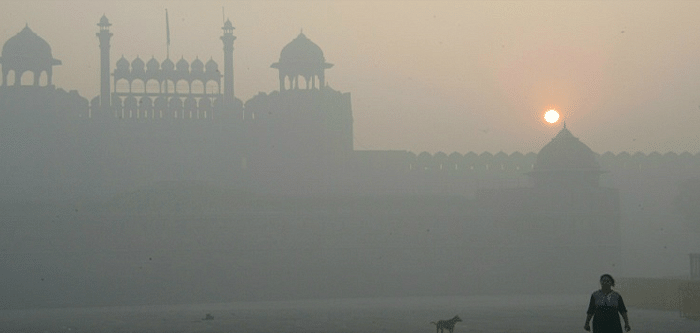
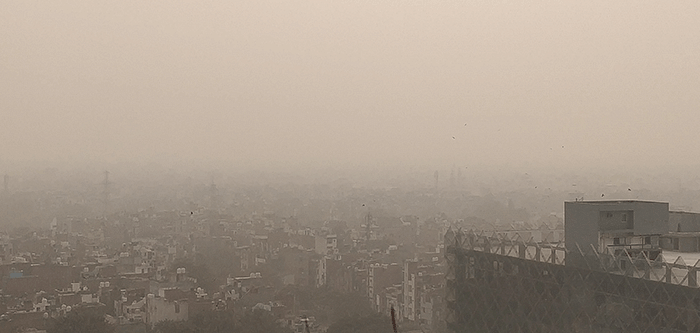
India experiences large variations in air quality across regions and seasons. Urban centres often record high PM2.5 and NO₂ levels, especially in winter when stubble burning, vehicle emissions and weather patterns trap pollutants. National and state studies have shown that air pollution contributes substantially to disease and premature deaths in India, with respiratory and cardiovascular conditions among the top outcomes. These findings underline the urgent need for personal and policy action.
Given this context, monitoring local air quality indices (AQI) and planning activities around better air days can make a real difference for fitness and long-term health.
Practical Checks: How to Tell if Your Symptoms Are Pollution-Related
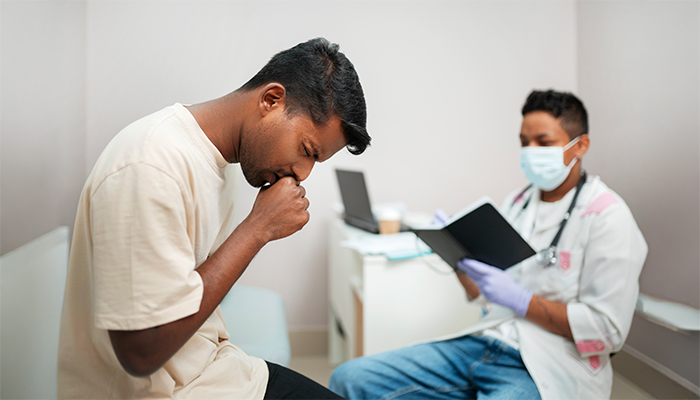
Use a simple checklist to connect symptoms with pollution exposure:
- Did symptoms start or worsen after being outdoors or near traffic?
- Do symptoms come and go with day-to-day changes in local AQI?
- Do symptoms improve when you stay indoors with filtered air or after using a mask?
If the answer is yes to two or more, treat pollution as a likely cause and take immediate steps to reduce exposure.
Immediate Steps to Reduce Exposure and Protect Fitness
- Check the AQI before heading out: Use local government or reliable apps to see real-time air quality. Avoid strenuous outdoor activity if the AQI is unhealthy.
- Time your workouts: Early mornings often have lower levels of ozone and, in some cities, lower traffic-related NO₂. But check local patterns: in some places, morning rush hour raises pollution.
- Choose route wisely: Run in parks or low-traffic streets; avoid busy roads, intersections and enclosed underpasses where pollutants concentrate.
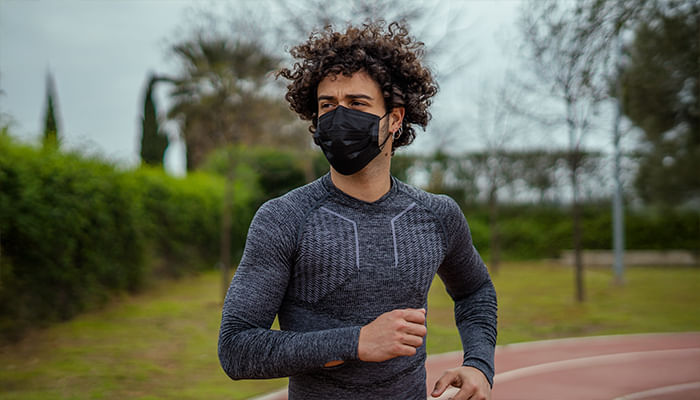
- Consider masks on very bad days: N95 or equivalent masks reduce inhaled particles; use them when commuting or if you must exercise outdoors in high pollution.
- Use indoor air purifiers: A HEPA-filter purifier can lower indoor PM2.5 levels and reduce irritants while you rest or sleep.
- Scale intensity: On moderate pollution days, reduce intensity and duration; avoid interval training outdoors when AQI is high.
Long-Term Habits that Protect Your Health
- Improve home ventilation wisely: On very high-pollution days, keep windows closed and rely on filtered ventilation. On low-pollution days, ventilate to reduce indoor pollutants.
- Eat to support immunity: Diets rich in antioxidants, vegetables, fruits, nuts, and omega-3 sources help reduce oxidative stress caused by pollutants. While food cannot block exposure, it can support recovery.
- Quit smoking and avoid indoor smoke: Tobacco and indoor biomass burning add to the total particulate burden and multiply health harms.
- Schedule medical checks: If you have a recurring cough, breathlessness, chest pain or rapid fatigue, see a clinician. Early tests (spirometry, ECG) can detect damage before it worsens.
Pollution Side Effects Beyond Lungs: What Else To Watch For
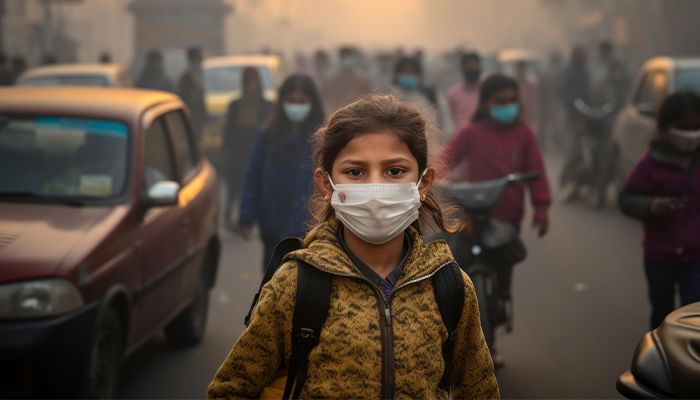
Air pollution’s reach extends beyond breathing. Watch for:
- Cardiovascular signs: palpitations, higher blood pressure, or chest discomfort, especially if you have known heart disease.
- Metabolic effects: evidence links long-term pollution with a higher risk of diabetes.
- Cognitive changes: newer studies suggest links to dementia risk and slower cognitive decline, though research is ongoing.
These side effects of pollution underline why early warning signs should prompt both personal protection and advocacy for cleaner air.
Balancing Life: When To See A Doctor
See a clinician if you notice:
- New or worsening shortness of breath or chest pain.
- Recurrent wheeze or need for rescue inhaler more often.
- Prolonged cough lasting more than two weeks.
- Unexplained fainting, dizziness or severe headaches after exposure.
Tell the clinician about your exposure patterns and any exercise changes. Early diagnosis often leads to better outcomes.
Final Thoughts
Air pollution is a silent stressor. By learning the early signs of pollution on health and how pollution affects the body, you gain the power to protect yourself and keep fitness goals on track. Simple steps, checking AQI, shifting exercise times, masks on bad days and better indoor air, reduce risk immediately. Combine those with community action and evidence-based policies, and you help make clean air a reality for everyone.