How Does Air Pollution Affect Your Exercise And Diet?
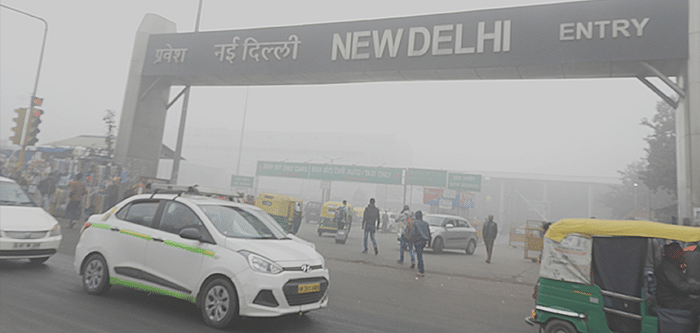
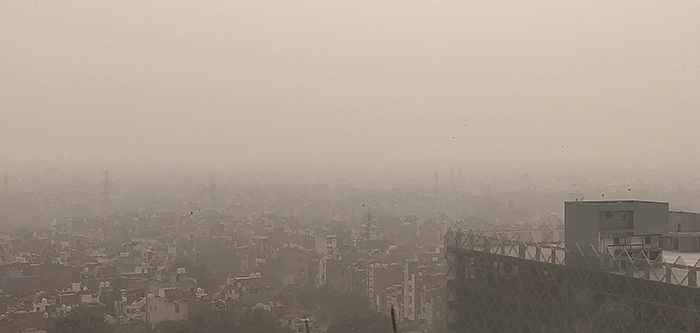
People often think air pollution only causes temporary problems like allergies, coughing or breathing difficulties. But its impact goes much deeper. Longterm exposure to polluted air is linked to respiratory diseases, heart conditions, stroke and other serious health concerns. Air pollution doesn't just affect your health when you're resting. It can also change how your body responds to physical activity. When you exercise, your breathing rate increases. This means you may inhale more pollutants, especially when working out outdoors in highly polluted areas.
So, how does air pollution affect exercise and diet? Can you continue your fitness routine when AQI levels rise? And what should you eat to support your overall health? Let's find out this blog.
What Diseases Are Caused by Air Pollution?
Diseases linked to air pollution affect millions of people every year. According to the World Health Organization (WHO), air pollution is a major environmental risk factor for noncommunicable diseases. Stroke, lung cancer, ischaemic heart disease, acute lower respiratory infections and chronic obstructive pulmonary disease (COPD) are among the major health conditions associated with exposure.
- Ischaemic Heart Disease: Also known as coronary heart disease, this condition occurs when the arteries supplying blood to the heart become narrowed. Reduced blood and oxygen supply can lead to chest pain and heart attacks. Longterm exposure to air pollution is associated with an increased risk of cardiovascular disease.
- Stroke: Both short-term and long-term exposure to air pollution have been linked to a higher risk of stroke. Pollutants can contribute to inflammation and damage to blood vessels.
- Lung Cancer: Fine particulate matter (PM2.5), which comes from vehicle exhaust, industrial emissions and other sources, is classified as carcinogenic to humans. Longterm exposure increases lung cancer risk.
- Chronic Obstructive Pulmonary Disease (COPD): COPD is a chronic lung condition that restricts airflow and makes breathing difficult. People living with COPD may be particularly sensitive to polluted air.
The Health Risk of Living in an Area With Air Pollution
If the air quality where you live is poor, prolonged exposure can affect your health. The severity depends on pollution levels, exposure duration and your existing health conditions. Living in an area with high air pollution can contribute to health problems such as:
- Chronic respiratory diseases and ischaemic heart disease.
- Increased risk of stroke.
- Irritation of the respiratory tract.
- Breathing difficulties and aggravated asthma symptoms.
Longterm exposure can also contribute to:
- Reduced lung function.
- Increased risk of asthma, bronchitis and emphysema.
- Cardiovascular complications.
- Increased susceptibility to respiratory infections.
- Premature mortality.
The people most vulnerable to the adverse effects of air pollution include:
- People with chronic heart conditions, asthma, emphysema and COPD.
- Pregnant women.
- Children.
- Older adults.
- Outdoor workers.
How Can Exercise and Diet Support Your Health During Air Pollution?
The relationship between air pollution and physical activity is not straightforward. The Air Quality Index (AQI) is an important factor when planning your daily fitness routine. Regular physical activity supports cardiovascular health, endurance and overall wellbeing, but exercising in polluted air requires additional thought. Exercise increases your breathing rate, which can increase the amount of pollutants you inhale. However, avoiding physical activity altogether can also have negative health consequences. The right approach is to stay active while reducing unnecessary exposure. Here's how you can manage your workout and diet routine.
Indoor Workout Activities During High AQI
When outdoor air quality deteriorates, shifting your workout indoors can be a practical alternative. You can maintain your fitness routine with activities that don't require outdoor exposure. Try these indoor workouts with FITCOACH if you choose to workout at home.
- Yoga Classes: Gentle yoga and breathing-free movement sequences can help maintain flexibility, mobility and balance. Avoid forceful breathing exercises if the air indoors is also polluted.
- Indoor Cycling: A stationary cycle or spin class session offers a convenient cardiovascular workout. Adjust the intensity according to your fitness level.
- Strength Training: Squats, lunges, push-ups and resistance band exercises can help maintain muscle strength without stepping outside.
- Low Impact Cardio: Marching in place, step-ups and controlled bodyweight movements can help you stay active without high-impact movements.
- Pilates: Mat-based Pilates can support core strength, posture and flexibility. Find the best Pilates workout classes with FITPASS.
One important thing to remember: indoor spaces aren't automatically pollution-free. Outdoor pollutants can enter through windows and ventilation systems. If possible, exercise in a wellmaintained indoor space with effective air filtration.
How Does Air Pollution Affect Exercise?
When you exercise, your muscles need more oxygen. Your breathing becomes deeper and faster to meet this demand. Unfortunately, this also means you may inhale more polluted air during physical activity. The effects of air pollution on exercise can include:
- Increased coughing and throat irritation.
- Breathlessness during physical activity.
- Chest tightness or wheezing.
- Reduced exercise comfort and performance.
- Aggravation of existing respiratory conditions.
The impact depends on the pollution concentration, duration of exposure, workout intensity and individual health. For instance, a 20-minute walk away from busy traffic is not the same as an intense outdoor running session beside a congested road. The latter can increase your exposure because of both the pollution concentration and higher breathing rate. Keep these precautions in mind:
- Check the local AQI before planning an outdoor workout.
- Choose FITPASS studios that are maintained with proper ventilation and air purification.
- Avoid intense outdoor exercise when pollution levels are high.
- Choose parks and open spaces away from busy roads when air quality permits.
- Reduce workout duration or intensity if pollution levels begin rising.
- Move your exercise routine indoors when outdoor conditions are unhealthy.
People with asthma, COPD, cardiovascular conditions and other existing health concerns should follow their healthcare provider's advice before exercising outdoors during pollution episodes.
Can Diet Help Your Body Cope With Air Pollution?
We can't control all the pollution around us, but we can make healthier food choices to support overall wellbeing. A balanced diet containing fruits, vegetables, whole grains, nuts and healthy fats provides essential vitamins, minerals and antioxidants. These nutrients support normal immune function and help the body manage oxidative stress.
You can include:
- Vegetables: Broccoli, cauliflower, spinach and green onions.
- Fruits: Guava, papaya, oranges and other citrus fruits.
- Herbs and spices: Ginger, turmeric, tulsi and fennel.
- Healthy fats: Nuts, seeds and other sources of unsaturated fats.
These foods are part of a healthy, balanced diet. However, no particular fruit, vegetable, herb or supplement can act as a shield against polluted air or reverse the effects of exposure.
Want help building a powerful immune system?
Explore our guide on 8 Immunity booster foods for healthy lymphatic system.
How FITPASS Can Help You Stay Consistent
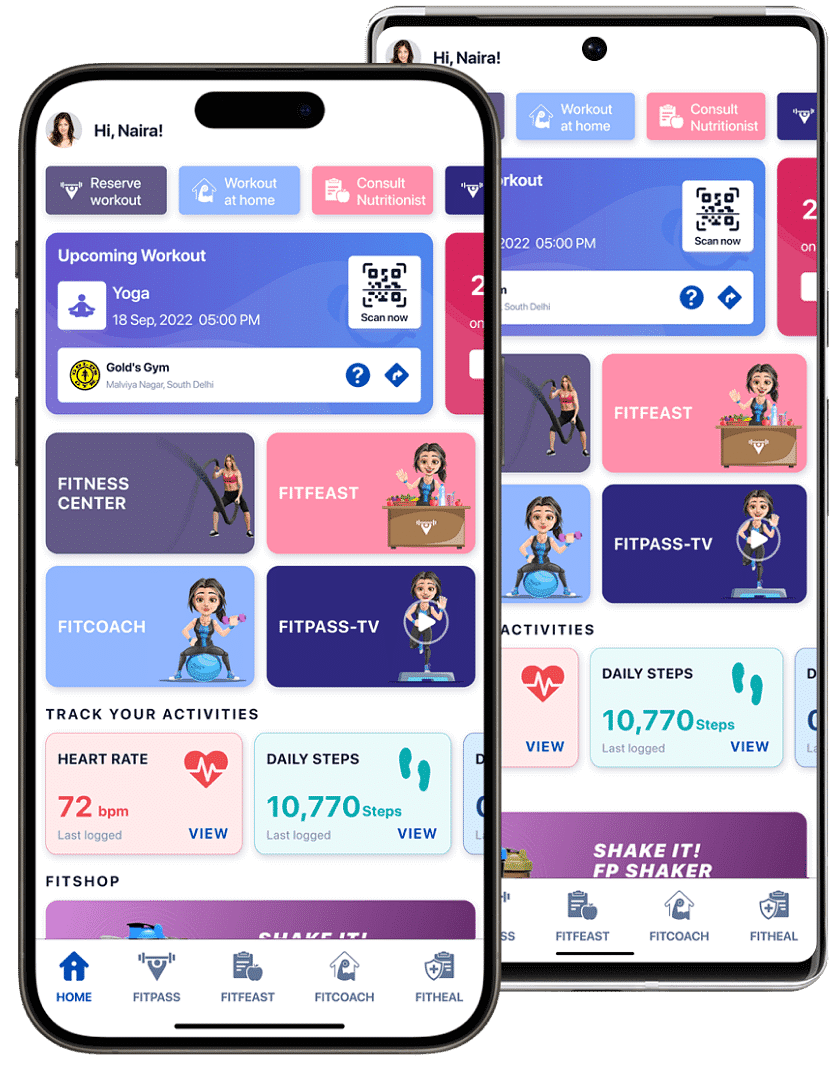
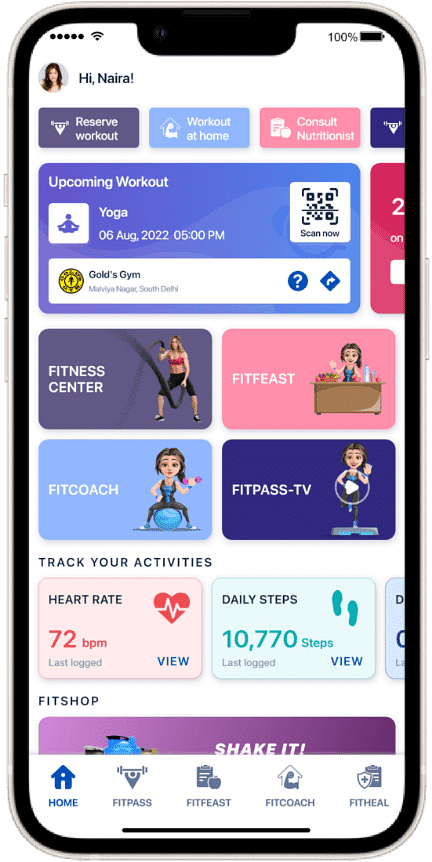
FITPASS is India's largest fitness network, allowing you to explore various workout activities and choose fitness sessions that fit your schedule and location across any Indian city. Air pollution shouldn't mean giving up on your fitness goals. It means making smarter decisions about when, where and how you exercise. Whether you prefer strength training, yoga, Pilates or indoor cycling, you can find activities that help you maintain an active lifestyle.
If you also want professional guidance on your nutrition, activate FITFEAST and connect with experienced nutritionists. They help you understand your dietary requirements and create a customised diet plan based on your fitness goals and personal needs.