If you’re planning to take your first Pilates class, you’re in for a treat. Pilates is a gentle yet effective form of exercise that improves strength, flexibility, posture, and mental focus. But before you roll out your mat or step into a reformer, these are some key Pilates basics to understand.
This blog will guide you through all the things you need to know before doing Pilates, especially if you are a beginner.
Let’s get into everything: from Pilates workout preparation to Pilates breathing technique, so you can walk into your fitness session with confidence.
Pilates is a low-impact exercise method created by Joseph Pilates in the early 20th century. It focuses on controlled movements, body awareness, and breathing. People often confuse it with yoga, but Pilates is more centred around building core strength and improving alignment.
For Pilates for beginners, it’s essential to know that the exercise might feel slow-paced, but it challenges deep muscles, especially around your core. This makes it perfect for those who want to tone up, recover from injury, or enhance flexibility and balance.
When you start with Pilates, you’ll quickly learn that it’s not about doing flashy moves. Instead, it’s also about the Pilates workout fundamentals. These include:
- Controlled movements
- Proper breathing
- Alignment and posture
- Core engagement
These basics are from the foundation of every Pilates session, whether you’re using a mat or a reformer. That’s why learning the Pilates core engagement technique is vital. Your core—also known as the “powerhouse”—will help support your spine and improve balance.
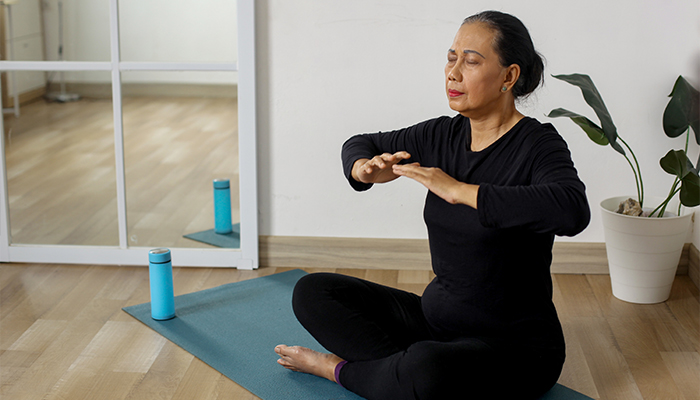
One of the most surprising things for beginners is how important breathing in Pilates is. The Pilates breathing technique isn’t like regular breathing. You’ll be guided to breathe deeply into your ribs while engaging your core. This type of breathing helps control movement, improve focus, and reduce stress.
Make sure to practise this at home. Breathing might seem natural, but in Pilates, it’s done in a very intentional way to support each exercise.
Good posture is one of the goals of Pilates, but it’s also a key element during workouts. Pilates posture alignment focuses on keeping your spine in a neutral position, your shoulders relaxed, and your pelvis steady.
Without correct alignment, you may not get the full benefit of each move. Worse, poor posture can lead to injury. A certified instructor will help you learn how to hold your body properly during each movement.
Starting a new fitness routine can be intimidating, but these beginner Pilates tips will ease you in:
- Don’t rush the exercises.
- Focus on quality, not quantity.
- Ask questions if you’re unsure.
- Use a mirror or feedback to check the form.
- Stay consistent—results come over time.
These tips help you build a strong foundation and avoid the common Pilates mistakes that many newcomers make, such as holding the breath or over-tightening muscles.
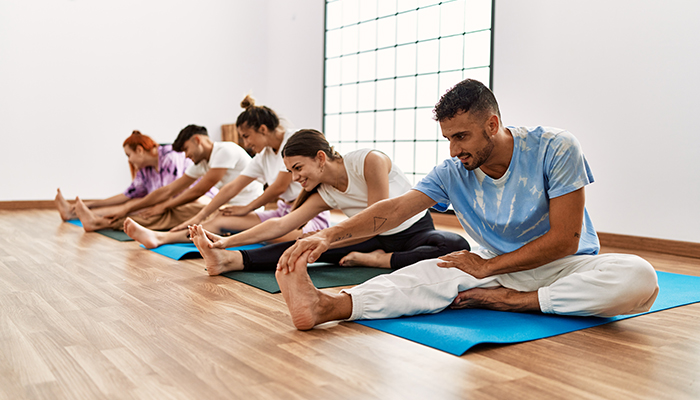
Pilates workout preparation doesn’t require much, but a few things can make your session more effective:
- Arrive 10–15 minutes early.
- Wear snug, stretchy clothes.
- Avoid eating right before class.
- Bring a water bottle.
- Let the instructor know you’re new.
Also, if you’re attending a studio, understanding the etiquette for Pilates class is important. Be respectful, avoid strong scents, and keep noise to a minimum. If you’re unsure about something, just ask.
For those starting with Mat Pilates, having the right gear helps. Your essentials for Mat Pilates include:
- A thick mat (thicker than yoga mats).
- A towel or small cushion.
- Resistance bands or light weights (optional).
- A bottle of water.
These simple tools can support your body and certain exercises more comfortable. Over time, you may add props like a Pilates ring or a small ball to add variety to your routine.
If you’re trying studio classes, you might come across a machine called the reformer. This can look a bit intimidating, but it’s just another way to practice Pilates. In this Pilates reformer introduction, you should know:
- It uses springs for resistance.
- It targets small, deep muscles.
- It improves posture and control.
- It’s great for all fitness levels.
Reformer Pilates gives you extra support or challenge depending on how the machine is set up. Always let your instructor adjust the setting if you’re new.
Each Pilates studio may vary slightly, but most follow a clean, minimal layout. A good Pilates studio setup has:
- Quiet surroundings
- Clean mats or machines
- Soft lighting
- Space to move freely
- Trained instructors
Whether it’s a group class or one-on-one session, make sure the studio is welcoming and the staff are happy to explain things to you.
When choosing a class, don’t forget to ask about Pilates instructor qualifications. An experienced, certified instructor can make a huge difference. They should:
- Have formal Pilates training.
- Be familiar with anatomy.
- Offer clear instructions.
- Give personalised feedback.
The right instructor will help you avoid injury, correct your form, and make your sessions enjoyable.
What you wear matters more than you think. The ideal Pilates workout attire is:
- Fitted (but not tight) clothing
- Breathable fabric
- Bare feet or grip socks
- No zips or buttons
Avoid baggy clothes as they can hide your posture, making it harder for instructors to guide you. Comfort and function are key when choosing your outfit.
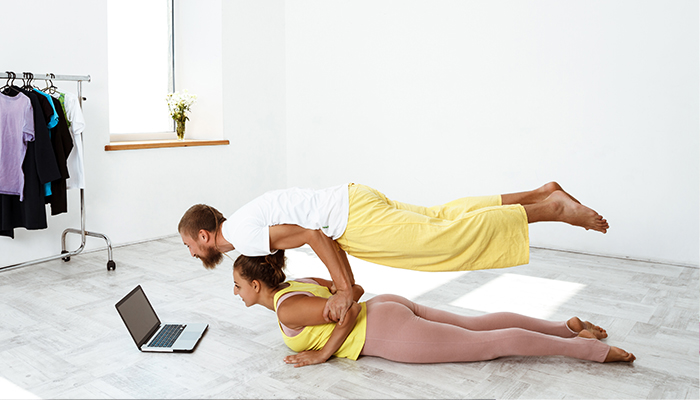
It’s easy to get things wrong when starting out. Here are some common Pilates mistakes and how to fix them:
- Holding your breath – Use the breathing techniques.
- Overusing large muscles – Focus on engaging your core.
- Poor alignment – Ask for feedback on your posture.
- Rushing through moves – Slow, controlled movement is best.
By being aware of these mistakes, you can correct them early and get the most from your sessions.
You don’t need to do separate stretches before or after Pilates. That’s because Pilates flexibility exercises are built into the routine. Every movement is designed to lengthen muscles and improve joint mobility.
As you progress, you’ll notice better flexibility without any added work. It’s gentle, but very effective.
Pilates is low-impact, but safety still matters. Here are some Pilates injury prevention tips:
- Always warm up and cool down.
- Use props or modifications when needed.
- Never push through pain.
- Tell your instructor about past injuries.
With correct guidance, Pilates can even help in injury recovery, especially for the back, neck, and hips.
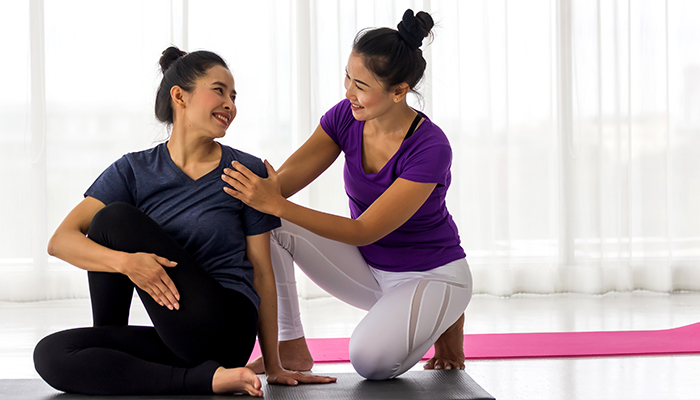
A standard Pilates session duration is between 45 and 60 minutes. This is enough to work on flexibility, strength, and breathing without feeling drained.
As a beginner, start with 2–3 sessions per week. This will allow your body to adjust while seeing steady improvement.
Starting something new can be challenging, but Pilates is well worth it. It’s a full-body workout that tones muscles, improves posture, and relaxes your mind. When you stick with it, the results can be amazing.
Focus on learning the Pilates basics, follow proper form, and give your body time to adjust. Before long, you’ll feel stronger, more flexible, and more energised.
Ready to start your Pilates journey? Now that you know the essentials, step into your first class with confidence. From Pilates posture alignment to understanding the Pilates studio setup, you’re now prepared to make the most of your experience.