What Is Soy Milk?
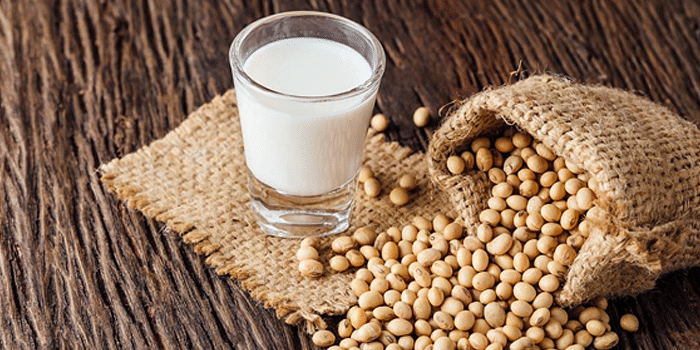
Soy milk is a plant-based beverage made by soaking, grinding, and boiling soybeans, then filtering the mixture to extract a smooth, creamy liquid. Unlike other plant-based alternatives, soy milk is the closest nutritional match to cow's milk, making it an excellent choice for those with lactose intolerance or following vegan diets.

Soy milk contains 30-60% protein on a dry weight basis, with approximately 3.3g of protein per 100ml serving. Soy milk is naturally rich in essential fatty acids, vitamin B, potassium, and phytochemicals called isoflavones that provide unique health benefits.
Soy Milk Nutritional Breakdown
Here's what you get in one cup (240ml) of unsweetened soy milk:
|
Nutrient
|
Amount per Cup (240ml)
|
% Daily Value
|
|
Calories
|
80-110
|
4-5%
|
|
Protein
|
7g
|
14%
|
|
Fat
|
4g
|
5%
|
|
Carbohydrates
|
4-8g
|
1-3%
|
|
Sugar
|
1g
|
-
|
|
Fiber
|
1-3g
|
4-12%
|
|
Calcium (fortified)
|
300-450mg
|
30-45%
|
|
Vitamin D (fortified)
|
2.9-3mcg
|
15-25%
|
|
Vitamin B12 (fortified)
|
2.7-3mcg
|
110-125%
|
|
Iron
|
1-2.7mg
|
6-15%
|
|
Potassium
|
280-300mg
|
6-8%
|
Soy Milk vs Other Milk Alternatives
|
Nutrient (per 100ml)
|
Soy Milk
|
Cow's Milk
|
Almond Milk
|
Oat Milk
|
|
Calories
|
54 kcal
|
61 kcal
|
15-24 kcal
|
40-47 kcal
|
|
Protein
|
3.3g
|
3.2g
|
0.4-0.6g
|
1.0g
|
|
Fat
|
1.8g
|
3.3g
|
1.1g
|
1.5g
|
|
Carbohydrates
|
6.3g
|
4.8g
|
0.4-0.6g
|
6.6g
|
|
Calcium
|
25mg (fortified: 120mg)
|
125mg
|
170mg (fortified)
|
120mg (fortified)
|
|
Fiber
|
0.6g
|
0g
|
0.4g
|
0.8g
|
|
Sugar
|
4g
|
5.1g
|
0g
|
4.1g
|
Top Soy Milk Benefits
1. May Help With Weight Loss & Fat Management

Soy milk can support weight loss in several simple ways. First, it is rich in high-quality protein, which keeps you full for longer and helps prevent overeating. Its low glycemic index (34-37) means it does not cause sudden spikes in blood sugar, making it easier to control cravings. Because soy milk contains a complete amino acid profile, it helps protect lean muscle during dieting & this keeps your metabolism active even when you're eating fewer calories.
A study published in Nutrition, Metabolism & Cardiovascular Diseases found that women following a calorie-controlled diet lost more body fat after they added calcium-fortified soy milk to their routine. Simply replacing whole milk with soy milk twice a day can cut around 80 calories daily, which may add up to about 8 pounds of weight loss in a year without extra effort.
Soy milk also contains phytosterols, natural plant compounds that reduce the absorption of fat and cholesterol in the intestine. This means your body takes in less harmful fat. And unlike the saturated fat found in regular milk, soy milk provides healthy monounsaturated fats that support heart health and help keep your metabolism running smoothly.
2. Soy Milk may manage Type 2 Diabetes

Soy milk is a good option for people who want to manage their blood sugar, including those with Type 2 Diabetes. Here's why:
- It has a low glycemic index (around 34), which means it doesn't cause a sudden rise in blood sugar after drinking it.
- Soy milk contains isoflavones, natural plant compounds that may help the body use insulin better. This supports smoother and more stable blood sugar levels.
- Soy milk is low in fat and contains good amounts of calcium, which can help lower cholesterol and reduce the risk of heart problems, something many diabetic patients face.
- The moderate protein in soy milk helps keep blood sugar steady without causing insulin spikes or crashes.
Overall, soy milk is a safe and helpful drink for people looking to maintain balanced blood sugar levels.
3. May Supports Cardiovascular Health

Soy milk consumption significantly improves heart health markers by lowering blood pressure and reducing harmful cholesterol levels. A meta-analysis of 17 randomised controlled trials found that regular soy milk intake led to large reductions in blood pressure, moderate reductions in non-HDL cholesterol, and improved cardiovascular function.
The monounsaturated and polyunsaturated fatty acids in soy milk exert favourable effects on cardiovascular health by improving lipid profiles. Soy milk is an excellent source of potassium (118mg per 100ml), which helps maintain lower blood pressure and a regular heart rhythm.
4. May Strengthens Bones and Prevents Osteoporosis
Regular consumption of calcium-fortified soy milk supports bone health and may reduce osteoporosis risk. While unfortified soy milk contains 25mg of calcium per 100ml, fortified versions provide up to 120mg, comparable to cow's milk.
The isoflavones in soy milk have bone-protective effects that complement calcium supplementation. Women who consume 240ml of fortified soy milk daily can obtain approximately 210mg of calcium, contributing significantly to the recommended daily intake.
5. May Enhance Metabolic Function
Soy milk can naturally improve your metabolism, mainly because of its high-quality protein. Here's how it works:
- The complete protein in soy milk increases the thermic effect of food, which means your body burns a few more calories while digesting it compared to simple carbs.
- Soy milk contains isoflavones, plant compounds that may help control the enzymes responsible for fat storage. This can make fat loss slightly easier and more efficient.
- Research also shows that soy protein and isoflavones can help your cells respond better to insulin, which supports healthier metabolism and better overall energy balance.
In simple terms, soy milk gives your body the right nutrients to burn calories more effectively and manage fat more efficiently.
6. Soy Milk May Be Good for Skin Health

Your skin reflects what you eat, and soy milk delivers nutrients that actually make a visible difference. This isn't just about slapping on expensive creams; drinking soy milk works from the inside out to reduce inflammation, fight ageing, and give you that natural glow.
Why Soy Milk is Good for the Skin
- Rich in antioxidants: Soy milk contains compounds that fight free radicals - tiny particles that cause skin ageing, dullness, and pigmentation. By reducing oxidative stress, your skin stays healthier and younger-looking.
- Helps with collagen production: Isoflavones in soy milk may support collagen formation. Collagen is the protein that keeps your skin firm, smooth, and elastic.
- Reduces skin inflammation: If you have sensitive or acne-prone skin, soy milk's anti-inflammatory properties can help calm redness and irritation.
- May help with skin moisture: The healthy fats in soy milk help maintain skin hydration and softness, especially for people with dry skin.
- Balances hormones, improving skin clarity: Because soy milk helps with hormonal balance, it may reduce acne breakouts caused by hormone fluctuations - very helpful for women with hormonal acne.
Overall, soy milk nourishes the skin from within, making it look clearer, brighter, and healthier.
7. Offers Lactose-Free Nutrition
Soy milk is naturally lactose-free, making it an ideal alternative for the estimated 65% of the global population with some degree of lactose intolerance. Unlike dairy milk, soy milk causes no digestive discomfort for those unable to digest lactose.
The nutritional profile of soy milk closely matches cow's milk without causing diarrhoea, cramps, bloating, or gas associated with lactose intolerance. This makes it a practical substitute in all recipes and applications requiring milk.
How to Choose Quality Soy Milk
What to look for:
- Whole soybeans or soy protein as the first ingredient
- Less than 5g added sugar per serving
- Fortification with calcium (at least 120mg per 100ml)
- Vitamin D (1-2mcg) and B12 (0.4-0.5mcg) added
- "Organic" or "Non-GMO" if avoiding GMOs
What to avoid:
- Excessive added sugars (check vanilla and flavoured varieties)
- Long ingredient lists with unrecognisable additives
- Unfortified versions, if you're relying on soy milk for calcium
Fortified vs Unfortified: Why It Matters
|
Type
|
Calcium per 100ml
|
Best For
|
|
Unfortified
|
25mg
|
People getting calcium from other sources
|
|
Fortified
|
120-210mg
|
Bone health, dairy replacement, children, postmenopausal women
|
Disadvantages of soy milk (The Honest Truth)
1. Digestive Issues
While soy milk is lactose-free, some people experience digestive discomfort from soy itself, like diarrhoea, cramps, gas, or bloating. Soy allergies are among the more common food allergies, especially in children.
If you have a confirmed soy allergy, avoid soy milk entirely and choose alternatives like oat or almond milk.
2. Hormonal Concerns
Despite fears about phytoestrogens, research shows minimal hormonal effects in men consuming moderate soy. Only three studies reported hormonal impacts in men, and the effects weren't clinically significant.
Women with hormone-sensitive conditions should discuss soy consumption with healthcare providers, though moderate intake from whole food sources is generally considered safe.
3. Medication Interactions
Beyond thyroid medication, soy milk may interact with certain antibiotics and osteoporosis drugs. Always consult healthcare providers about potential interactions when starting regular soy consumption.
Conclusion: Is Soy Milk Worth Adding to Your Diet?
Soy milk is a simple, nutritious, and versatile drink that fits easily into any lifestyle. With its high-quality protein, heart-friendly fats, and low glycemic index, it supports weight loss, stable blood sugar, better metabolism, and overall well-being. It is especially beneficial for people with lactose intolerance (which affects nearly 65% of the world), vegans who need complete protein and B12, women experiencing menopause symptoms, and anyone trying to control cholesterol or blood pressure.
As for thyroid concerns, if you have normal thyroid function, 1-2 cups of soy milk daily is perfectly safe. Individuals taking thyroid medication should simply consume soy milk at least 4 hours after their dose.
Enjoy soy milk in moderation, choose unsweetened versions, and make it a smart, health-boosting addition to your daily routine.