Benefits Of A Keto Diet - A Way To Get A Healthy And Toned Body
Table of Contents
Many people are now turning to the keto diet to improve their health, shed extra fat, and boost energy. This low-carb, high-fat diet focuses on using fat as the body’s primary fuel instead of carbohydrates. When followed correctly, the benefits of the keto diet are hard to ignore. From its weight loss benefits to its ability to manage various health conditions, this lifestyle offers more than just a way to slim down.
Let’s explore how this fat-burning diet can help you stay fit and healthy.
What is a Keto Diet?
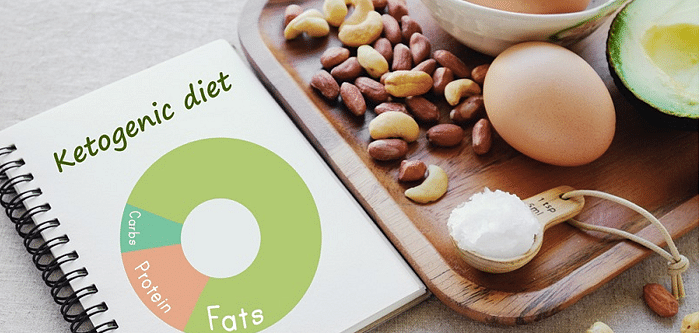
The ketogenic diet, commonly known as the keto diet, is a way of eating that drastically reduces your intake of carbohydrates and increases fat consumption. Typically, the diet includes about 70-80% fat, 10-20% protein, and only 5-10% carbohydrates.
When you cut carbs, your body enters a state called ketosis. In this, your body uses fat for fuel instead of glucose. This change in energy source results in many ketosis health benefits, including fat loss and improved energy.
How the Keto Diet Supports Effective Weight Loss
One of the most popular reasons people try the keto diet is to lose weight. The ketogenic diet's weight loss effect happens because your body burns fat for energy instead of storing it. Since fat becomes your main source of fuel, your body naturally uses more of it.
Another reason for keto weight loss is appetite suppression. Eating more fats and proteins helps you feel full for longer. As a result, you eat fewer calories without feeling hungry all the time.
Boosts Insulin Sensitivity
A major ketogenic diet advantage is improved insulin sensitivity. This is particularly helpful for people with type 2 diabetes or those at risk of developing it. By lowering carb intake, your blood sugar levels remain stable, reducing the need for excess insulin.
Studies show that a keto diet can lower HbA1c levels, a key marker of long-term blood sugar control. It also helps reduce insulin resistance, making it easier for your body to manage sugar.
Improves Heart Health

Despite being high in fats, the keto diet for heart health can actually improve your cardiovascular well-being. When done right, the diet helps increase levels of HDL (good cholesterol) and decrease LDL (bad cholesterol).
This change in cholesterol profile leads to better heart function. Moreover, this also results in lower triglyceride levels and reduced inflammation, two major risk factors of heart disease.
Controls Blood Pressure
Another positive effect of the keto lifestyle is blood pressure control. When you lose excess weight and reduce sugar intake, your blood vessels become healthier. Many people see a noticeable drop in their blood pressure after just a few weeks on the diet.
This makes the keto diet a helpful tool for those managing hypertension and related conditions.
Reduces Inflammation
Chronic inflammation is linked to many heart problems, including joint pain, heart disease, and even cancer. One of the lesser-known ketosis health benefits is inflammation reduction.
By cutting out processed carbs and sugar, the keto diet reduces inflammatory markers in the body. This leads to better immune function and overall health improvement.
Helps With Epilepsy
The keto diet for epilepsy is not a new idea. It has been used for nearly a century to help control seizures, especially in children who do not respond well to medications. The brain’s switch from using glucose to ketones seems to calm nerve activity, making seizures less likely.
Many doctors still recommend this diet for patients with epilepsy, and it continues to show promising results.
Supports Women With PCOS

PCOS is a hormone disorder which affects many women. It often comes with weight gain, insulin resistance, and difficulty losing fat. The keto diet for PCOS works well because it addresses all these problems at once.
The diet helps reduce insulin levels, which in turn lowers androgen levels. This leads to more regular periods, weight loss, and fewer symptoms. It’s a natural and effective approach to managing PCOS.
Treats Metabolic Syndrome
Metabolic syndrome is a group of conditions like high blood sugar, high blood pressure, extra belly fat, and abnormal cholesterol levels. Together, these increase the risk of heart disease and diabetes. The keto diet for metabolic syndrome tackles all these issues in one go.
By improving insulin sensitivity, reducing body fat, and balancing cholesterol levels, the diet offers a complete package for anyone dealing with this condition.
Better Brain Health and Mental Clarity
The brain works well on ketones. Many people on a keto diet report better focus, deeper thinking, and less brain fog. The reason behind this is the steady supply of energy from fats, as opposed to the ups and downs of glucose.
This boost in the keto diet makes it an excellent choice for students, professionals, and older adults looking to maintain cognitive function.
Increased Energy Levels
When your body adapts to burning fat, your energy becomes more stable. There are no more mid-day crashes or sugar cravings. This consistent fuel source results in better physical performance and stamina.
People also find that they sleep better and wake up feeling more refreshed. So, whether you're working out or working at a desk, the keto diet energy levels stay steady throughout the day.
How To Start A Keto Diet Safely

While the benefits are many, starting a keto diet needs a bit of planning. Here are a few tips to begin safely:
- Cut down carbs gradually instead of suddenly
- Increase water intake to avoid dehydration
- Add more salt to maintain electrolyte balance
- Choose healthy fats like olive oil, nuts, seeds, and avocados
- Track your food to stay within keto limits
Talking to a healthcare professional before starting, especially if you have any health conditions, is also recommended.
Common Mistakes To Avoid
Even though the keto diet seems simple, a few mistakes can affect your results:
- Eating too much protein, which can kick you out of ketosis
- Not eating enough fat leaves you hungry
- Overeating processed “keto-friendly” foods
- Not tracking carb intake accurately
- Ignoring fibre and becoming constipated
Keeping a balanced and whole-food-based keto diet ensures the best results.
Who Should Avoid The Keto Diet?
While the keto diet benefits many, it might not suit everyone. People with the following conditions should speak to a doctor first:
- Type 1 diabetes
- Liver or kidney problems
- Eating disorders
- Gallbladder disease
- Pregnant or breastfeeding women
Listening to your body is the key. If the diet makes you feel unwell, it might not be the right choice for you.
Final Thoughts
The benefits of the keto diet go far beyond weight loss. From improving insulin sensitivity and brain health to managing PCOS and epilepsy, this low-carb, high-fat diet is a powerful way to support your health. With its ability to balance hormones, reduce inflammation, and control blood sugar, the keto diet is more than a trend—it’s a sustainable lifestyle for many.
As with any major change, planning and listening to your body are important. The keto lifestyle may not be for everyone, but for those who stick with it, the rewards can be life-changing.
Keto diet what to eat?
On a keto diet, eat high-fat, low-carb foods like meats, cheese, eggs, nuts, and green leafy vegetables. Avoid sugars and grains to maintain ketosis, which helps the body burn fat for energy, aiding in weight loss and improved energy levels.
How quickly can I lose weight on the keto diet?
Most people see weight loss within the first week due to water loss. Fat loss typically starts after a couple of weeks. Results vary based on activity, age, and how strictly you follow the diet.
Is the keto diet safe for long-term use?
Yes, many people follow a keto diet for months or even years. However, long-term use should be monitored by a doctor, especially if you have health conditions.
Can I do keto if I’m a vegetarian?
Yes. A vegetarian keto diet is possible with foods like eggs, cheese, nuts, seeds, tofu, and low-carb vegetables. It requires a bit more planning, but it is completely doable.
What are the side effects of starting the keto diet?
Some people experience the “keto flu” in the first week. This includes headaches, tiredness, and irritability. It usually passes quickly and can be reduced by drinking more water and eating enough salt.