Fitness trends come and go, but HIIT has managed to stay relevant for years because it solves one problem most people struggle with consistently: lack of time.
For beginners trying to improve fitness, lose weight, or simply become more active, traditional workout advice can feel overwhelming. Long gym sessions, complicated workout splits, and unrealistic body transformation promises often create more confusion than motivation. This is one of the reasons HIIT workouts became so popular. They introduced a training style that felt shorter, faster, and more adaptable to modern routines.
The HIIT full form stands for High-Intensity Interval Training (HIIT), a workout method built around alternating short bursts of effort with brief recovery periods. Unlike steady-state cardio, where intensity remains relatively constant throughout the session, HIIT training changes pace repeatedly, which helps make workouts feel more dynamic and mentally engaging.
What many beginners misunderstand, however, is the word “high-intensity.”
HIIT is not supposed to feel like punishment. It is not about collapsing on the floor after ten minutes or copying advanced athlete workouts from social media. A properly structured HIIT workout adapts to your current fitness level. For one person, intensity may mean sprint intervals. For another, it may simply mean brisk bodyweight movement with controlled recovery periods.
That flexibility is what makes HIIT approachable for beginners when done correctly.
Today, HIIT is used in:
- gym group classes
- home workouts
- strength-conditioning routines
- fat-loss programs
- sports training
- bodyweight fitness plans
But before starting, it is important to understand not only what HIIT is, but also how it actually feels, why people struggle with it initially, and how beginners can approach it realistically without burning out within two weeks.
What Is HIIT Exercise and How Does It Work?
Many people searching for what is HIIT exercise expect to find a list of difficult movements or intense training drills. In reality, HIIT is less about specific exercises and more about how effort and recovery are structured during a workout.
A HIIT workout alternates between:
- periods of higher effort
- short recovery intervals
The work phase is designed to elevate heart rate and challenge the body for a brief period, while the recovery phase allows partial recovery before the next round begins.
A beginner HIIT session could look something like this:
|
Exercise |
Work Time |
Recovery |
|
Bodyweight Squats |
30 seconds |
30 seconds |
|
March in Place |
30 seconds |
30 seconds |
|
Wall Push-Ups |
30 seconds |
30 seconds |
|
Step Touches |
30 seconds |
30 seconds |
The structure itself is what creates the HIIT effect.
This is an important distinction because many beginners assume HIIT requires explosive exercises, jumping drills, or advanced athletic conditioning. While those formats exist, they are not mandatory. A low-impact HIIT workout can still elevate heart rate effectively without placing excessive stress on joints.
The purpose of interval training is to repeatedly challenge cardiovascular effort while giving the body brief opportunities to recover. Over time, this can help improve stamina, cardiovascular efficiency, and exercise tolerance.
One reason HIIT training feels mentally easier for many people is that the workout is divided into short sections. Instead of thinking about exercising continuously for an hour, the focus shifts toward completing one interval at a time. Psychologically, this often makes exercise feel more achievable for beginners who struggle with consistency.
Why HIIT Workouts Became So Popular
The rise of HIIT was not accidental. It aligned perfectly with changing lifestyles.
Modern schedules leave many people with limited time for exercise. Long commutes, desk jobs, irregular routines, and screen-heavy lifestyles have made short, efficient workouts increasingly attractive. HIIT workouts answered that demand by offering shorter training sessions that still felt productive.
Another reason HIIT gained popularity is variety. Traditional cardio workouts sometimes feel repetitive, especially for beginners who do not enjoy spending long periods on treadmills or stationary bikes. HIIT introduces changing movements, shifting intensity, and shorter time blocks, which can make workouts feel less monotonous.
For many people, a 20-minute HIIT workout feels psychologically easier to commit to than a 60-minute gym session, even if the shorter workout feels physically challenging.
This does not mean HIIT is automatically superior to every other training style. Walking, strength training, cycling, swimming, yoga, and traditional cardio all offer benefits. But HIIT fits particularly well into busy lifestyles where consistency matters more than perfection.
Is HIIT Good for Beginners?
Yes, but only when beginners stop treating HIIT like a competition.
One of the biggest reasons people quit HIIT workouts early is unrealistic intensity. Social media has created the impression that HIIT must always involve maximum effort, extreme sweating, or physically exhausting routines. That approach often leads to soreness, frustration, and poor recovery, especially for people who are new to exercise.
A beginner-friendly HIIT workout should feel challenging without feeling unmanageable.
During work intervals, breathing becomes heavier and muscles begin to fatigue, but the body should still feel in control. If a beginner finishes a session feeling dizzy, nauseous, or unable to recover for days, the workout intensity was likely inappropriate for their current fitness level.
The early phase of HIIT training should focus on:
- learning movement patterns
- improving breathing control
- building exercise tolerance
- developing consistency
Not maximum calorie burn.
This mindset shift matters because beginners often confuse discomfort with effectiveness. In reality, sustainable progress comes from workouts that can be repeated consistently over months, not from one extreme session followed by burnout.
What Does a HIIT Workout Actually Feel Like?
Most people understand the theory of interval training, but very few know what the actual physical experience feels like before trying it themselves.
During a HIIT workout, heart rate rises noticeably during work intervals. Breathing becomes faster, muscles feel warmer, and short periods of fatigue begin to build across rounds. Recovery intervals help reduce that intensity temporarily before the next effort phase starts.
For beginners, the experience should feel demanding but controlled.
A useful guideline is whether short conversation remains possible during work intervals. Speaking full sentences may feel difficult, but saying a few words should still be manageable. Completely losing breath early into the session usually means the intensity is too aggressive.
Another important point beginners rarely hear is that HIIT capacity develops gradually. The first few sessions often feel uncomfortable simply because the body is adapting to a new training stimulus. That does not mean someone is “bad at fitness.” It simply means conditioning is still developing.
Benefits of HIIT Workouts Beyond Fat Loss
HIIT is often marketed almost exclusively as a fat-loss tool, but that narrow framing misses many of its practical advantages.
One reason HIIT workouts remain popular is their efficiency. Shorter sessions can make regular exercise feel more manageable for people who struggle to maintain longer routines. This time efficiency alone often improves workout consistency, which matters far more long-term than any single training method.
HIIT training may also help improve:
- cardiovascular endurance
- work capacity
- movement confidence
- exercise adherence
- stamina during daily activities
For beginners who have been sedentary for long periods, even moderate improvements in conditioning can noticeably improve energy levels and physical comfort throughout the day.
The workout structure also helps break the mental monotony many people associate with exercise. Since intervals constantly change between effort and recovery, the session often feels faster psychologically than steady-state cardio.
That said, HIIT is not magic.
It cannot compensate for poor recovery habits, chronic sleep deprivation, or highly inconsistent exercise patterns. Like every training method, its effectiveness depends heavily on sustainability.
How Long Should a HIIT Workout Be?
Many beginners assume effective workouts must be long. With HIIT, that assumption often becomes counterproductive.
Because interval training involves elevated intensity, workout quality usually declines when sessions become excessively long. Beginners especially benefit more from shorter, controlled sessions than from trying to push through extended fatigue.
For most beginners, 15-20 minutes is enough.
|
Experience Level |
Suggested HIIT Duration |
|
Beginner |
10–20 minutes |
|
Intermediate |
20–30 minutes |
|
Advanced |
30+ minutes |
This duration does not include warm-up and recovery time, both of which are essential parts of effective training.
The goal of HIIT is not simply to stay active for as long as possible. It is to create structured periods of effort that remain sustainable and repeatable.
How Often Should Beginners Do HIIT Training?
More is not always better with HIIT training.
Because interval workouts place stress on both muscles and cardiovascular systems, recovery plays an important role in performance and injury prevention. Beginners who attempt intense HIIT sessions daily often experience excessive soreness, declining motivation, and inconsistent recovery.
A more sustainable approach is usually:
- 2–3 HIIT sessions weekly for beginners
- recovery days between intense sessions
- lower-intensity movement on non-HIIT days
Walking, mobility training, yoga, cycling, or light strength training can all complement HIIT effectively without overwhelming recovery capacity.
One of the biggest mistakes beginners make is assuming progress only happens during workouts. In reality, recovery is where adaptation actually occurs.
Beginner-Friendly HIIT Exercises That Actually Work
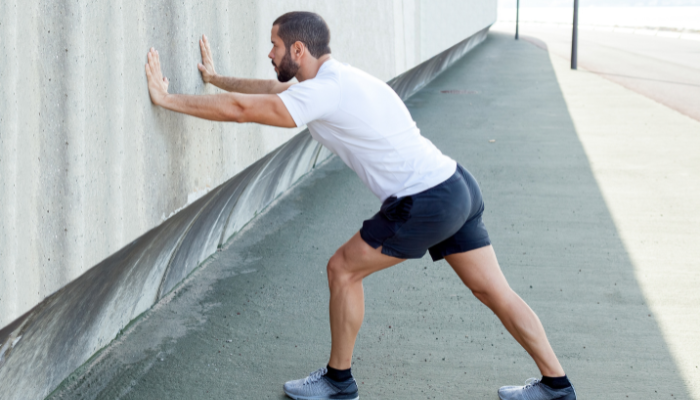
Many beginner workouts online are not truly designed for beginners. They often prioritize intensity over movement quality, which creates frustration for people who are still developing coordination and endurance.
A good beginner HIIT workout should focus on simple movements that elevate heart rate without creating unnecessary complexity.
Some beginner-friendly exercises include:
|
Exercise |
Difficulty Level |
Equipment Needed |
|
Marching in Place |
Beginner |
No |
|
Bodyweight Squats |
Beginner |
No |
|
Step Touches |
Beginner |
No |
|
Wall Push-Ups |
Beginner |
No |
|
Glute Bridges |
Beginner |
No |
|
High Knees |
Moderate |
No |
|
Modified Mountain Climbers |
Moderate |
No |
These movements may appear simple, but simplicity is often what helps beginners remain consistent long enough to improve.
A beginner-friendly full body HIIT workout usually combines lower-body, upper-body, and core movements within the same session. This approach helps increase overall energy expenditure while improving coordination and stamina gradually.
A Realistic Beginner HIIT Routine
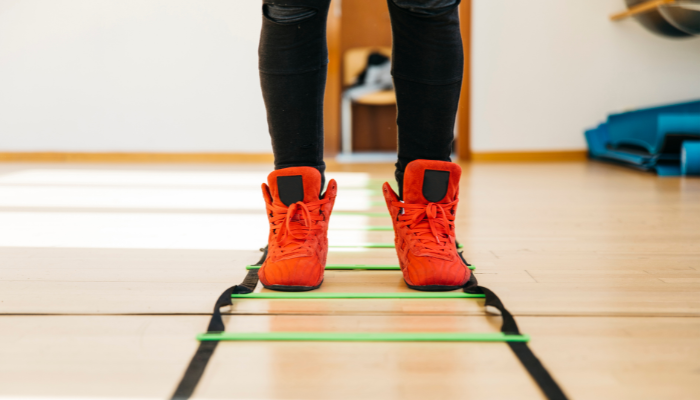
One reason beginners abandon fitness routines quickly is complexity. They spend more time searching for “perfect workouts” than actually exercising consistently.
A simple structure is usually more sustainable.
|
Exercise |
Work Interval |
Recovery |
|
Bodyweight Squats |
30 sec |
30 sec |
|
March in Place |
30 sec |
30 sec |
|
Wall Push-Ups |
30 sec |
30 sec |
|
Step Touches |
30 sec |
30 sec |
|
Glute Bridges |
30 sec |
30 sec |
Repeat for 3 rounds.
The focus should remain on:
- controlled breathing
- stable movement
- pacing
- consistency
Not speed or exhaustion.
Over time, intensity can increase gradually by:
- shortening rest intervals
- increasing movement speed
- adding additional rounds
- introducing resistance
But progression should happen slowly enough that recovery remains manageable.
Why Warm-Ups and Recovery Matter More Than Beginners Realize
Many people treat warm-ups as optional because they want to save time. Ironically, skipping preparation often makes workouts feel harder.
A proper warm-up helps:
- increase blood flow
- prepare joints for movement
- improve mobility
- reduce stiffness
- improve workout comfort
This becomes especially important for:
- desk workers
- older adults
- morning exercisers
- people returning after inactivity
Recovery matters just as much.
The fitness industry often glorifies soreness, but excessive soreness is not necessarily a sign of effective training. Sustainable HIIT workouts should challenge the body without making normal movement painful for days afterward.
Hydration, sleep, recovery days, and balanced nutrition all contribute significantly to workout performance and long-term progress.
Common HIIT Mistakes Beginners Make
Most HIIT problems are caused less by the workout itself and more by unrealistic expectations surrounding it.
- One common mistake is starting too aggressively. Many beginners copy advanced online workouts designed for experienced athletes, then assume failure means they are unfit. In reality, the workout simply exceeded their current capacity.
- Another mistake is confusing sweating with effectiveness. A workout does not become better simply because it feels brutal. Consistency matters far more than intensity spikes followed by burnout.
- Poor recovery habits are another issue. HIIT training creates stress on the body, and adaptation requires recovery. Ignoring sleep, hydration, and rest days eventually reduces performance and motivation.
- Many beginners also underestimate the importance of exercise form. Moving faster with poor technique rarely improves results and often increases injury risk.
Can You Lose Weight With HIIT?
HIIT can support weight loss, but not for the reasons many people assume.
The biggest benefit is often adherence. Shorter workouts can feel easier to maintain consistently, which increases long-term activity levels. HIIT workouts may also increase calorie expenditure efficiently within shorter sessions.
However, fat loss still depends heavily on:
- overall calorie intake
- recovery
- sleep
- nutrition habits
- daily movement patterns
Exercise alone rarely produces dramatic results without broader lifestyle consistency.
This is important because unrealistic fat-loss expectations are one of the main reasons people abandon fitness routines prematurely.
Should You Do HIIT at Home or Join a Class?
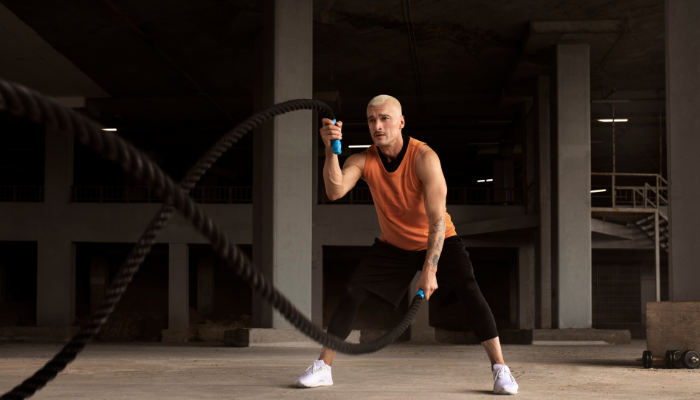
Both approaches can work depending on personality, schedule, and motivation style.
Home HIIT workouts offer convenience and flexibility, which many beginners appreciate initially. They remove commuting time and reduce the intimidation some people feel in gym environments.
However, group classes can provide:
- structure
- accountability
- coaching
- energy
- workout consistency
For beginners who struggle with motivation, professionally guided HIIT sessions sometimes make exercise feel less mentally exhausting because the session structure is already planned.
FITPASS allow users to explore HIIT classes across multiple gyms and fitness studios, which can help beginners discover training environments that feel comfortable rather than intimidating.
Final Thoughts
HIIT workouts became popular because they made fitness feel more accessible to people with limited time and inconsistent schedules. But the biggest misconception around HIIT is that it must always feel extreme.
For beginners, effective HIIT training is not about pushing to exhaustion. It is about building consistency through manageable intensity, structured progression, and realistic expectations. Some days the workout will feel easier. Other days it may feel uncomfortable. That is part of the adaptation process. What matters most is not chasing perfect workouts, but creating routines sustainable enough to continue long after initial motivation fades.
The best HIIT workout is rarely the hardest one. It is the one you can return to consistently without feeling overwhelmed by the process.


What is the disadvantage of HIIT training?
One key disadvantage is the increased injury risk due to the high-impact, explosive movements involved in HIIT workouts.
Is HIIT safe for the heart?
HIIT is safe for the heart and can improve cardiovascular health markers correctly.
Does HIIT burn belly fat?
Yes, its high intensity burns maximum calories and taps into fat stores, making it very effective for losing belly fat.
What are the five types of HIIT?
The main HIIT formats are Straight HIIT, Tabata, AMRAP, EMOM, and Ladder HIIT.
What is HIIT workout?
HIIT (High-Intensity Interval Training) involves short bursts of intense exercise followed by rest or low-intensity periods. This workout method boosts cardiovascular fitness, burns fat efficiently, and improves overall endurance and strength.
What to eat after a HIIT workout to lose weight?
After a HIIT workout, consume lean proteins and complex carbs, such as grilled chicken with quinoa or a protein shake with fruits. This helps in muscle recovery and supports weight loss by maintaining a balanced diet.