Staying hydrated may seem simple, but it’s one of the most overlooked parts of health and fitness. Whether you’re a gym-goer, an athlete, or someone working at a desk all day, water fuels nearly every function in your body, from regulating temperature to improving digestion and even boosting mental clarity. Yet, the question still stands: how much water should I drink daily?
In India, with its diverse climate and active lifestyles, understanding your daily water intake is more than just counting glasses; it’s about knowing your body’s needs, your activity level, and even the season. Let’s break it down to help you stay on top of your hydration game.
Key Takeaways
- Adults in India typically require 2.5 to 3.7 litres of water per day, depending on their gender, activity level, and climate.
- Proper hydration supports optimal fitness performance, maintains energy levels, and facilitates muscle recovery.
- Dehydration can cause fatigue, dizziness, and poor focus, and even mild dehydration affects workout results.
- Water requirements rise in hot weather and during workouts.
- Drinking water regularly, not just when thirsty, keeps your body functioning efficiently.
Why Water Matters More Than You Think

Your body is about 60–70% water, and this fluid supports everything from nutrient transport to temperature regulation. Water lubricates your joints, aids digestion, flushes out toxins, and helps maintain healthy skin. Even mild dehydration, losing just 1–2% of your body’s water content, can reduce energy, concentration, and endurance.
According to a 2022 study published in The Journal of Nutrition, dehydration significantly impacts physical performance and cognitive function, especially in warm climates like India. The research found that those who maintained optimal hydration showed better memory, alertness, and exercise endurance. Clearly, water isn’t just a drink; it’s your body’s best performance enhancer.
When you’re thinking about your daily water intake in India, consider factors like temperature, humidity, diet, and your physical activity. The hotter and more active you are, the more water your body needs to stay balanced.
How Much Water Should I Drink Daily?
There’s no single answer that fits everyone. The Indian Council of Medical Research (ICMR) recommends that an average adult male drink about 3.7 litres of water per day, while females need around 2.7 litres.
However, your ideal intake depends on your:
- Activity level: The more you sweat, the more water you lose.
- Climate: In Indian summers, higher humidity and heat mean increased fluid loss.
- Diet: High-protein or high-sodium diets need more water for digestion.
- Health status: Illness, pregnancy, and certain medications can change hydration needs.
Remember, your body often gives you clues. Dark yellow urine, fatigue, or dry lips are signs that you need more water. So, don’t wait for thirst, stay ahead of it.
Hydration and Fitness: Why Water Is the Real Game-Changer

When it comes to water intake for fitness, hydration can make or break your performance. During exercise, you lose fluids through sweat, which helps regulate body temperature. But losing too much water can lead to fatigue, muscle cramps, and even dizziness.
A study published in the European Journal of Clinical Nutrition found that dehydrated individuals showed a 20–30% decrease in endurance performance during high-intensity workouts. Water is vital for muscle recovery, oxygen transport, and maintaining electrolyte balance.
Here’s how hydration supports fitness goals:
- Boosts endurance: Helps sustain energy levels and prevents early exhaustion.
- Improves strength: Muscles that are well-hydrated contract more efficiently.
- Aids recovery: Proper water intake helps flush out lactic acid after exercise.
- Supports joint health: Keeps joints lubricated to avoid stiffness and soreness.
Next time you hit the gym, keep a water bottle handy. Sip before, during, and after your workout, not in one go, but steadily throughout your session.
The Link Between Water and Weight Loss
If you’re on a fitness journey, water is your best friend. Drinking enough water can support weight loss in several ways:
- It boosts metabolism. Studies show that drinking 500ml of water can temporarily increase metabolic rate by up to 30%.
- It controls appetite by making you feel full before meals.
- It aids digestion and reduces bloating by flushing out toxins.
- Try this simple hack: drink a glass of water 20–30 minutes before meals. It can naturally help you eat less without feeling deprived.
So, if you’ve ever wondered about the connection between water for weight loss, it’s simple: staying hydrated keeps your metabolism active, your appetite balanced, and your digestion smooth.
Recognising Dehydration Symptoms
It’s easy to mistake dehydration for fatigue, hunger, or even mood swings. Watch out for these common dehydration symptoms:
- Dry mouth and cracked lips
- Headache or light-headedness
- Dark yellow or strong-smelling urine
- Fatigue or irritability
- Muscle cramps
- Poor concentration
Severe dehydration can lead to rapid heartbeat, confusion, or heat exhaustion, all of which require immediate medical attention.
To prevent this, make hydration a habit. Carry a reusable bottle, set reminders, and flavour your water with lemon or mint if plain water feels boring.
How to Stay Hydrated in Winter
Winter often tricks people into drinking less water because they don’t feel thirsty. But your body still loses fluids through breathing and sweat, even in colder months.
Here’s how to stay hydrated in winter:
- Drink warm water or herbal teas throughout the day.
- Eat water-rich foods like oranges, soups, and cucumbers.
- Avoid excessive caffeine and alcohol, which dehydrates you.
- Keep a thermos flask nearby to make drinking warm water easier.
Staying hydrated in winter ensures your immunity, skin health, and metabolism stay strong, even when it’s chilly outside.
Water and Muscle Recovery: The Post-Workout Essential
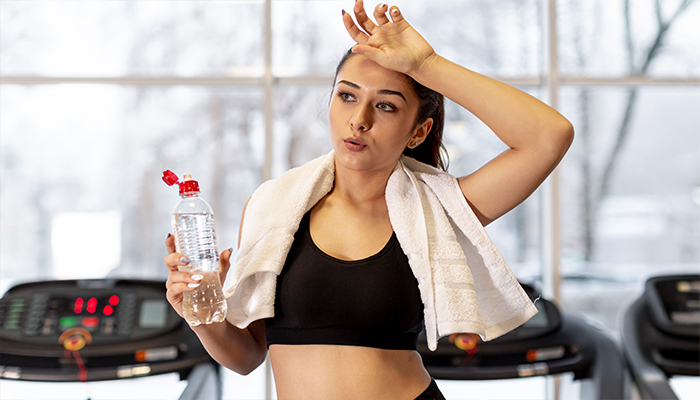
After a tough workout, your muscles need more than rest; they need water. Hydration aids in muscle recovery by helping transport nutrients and flushing out waste products. When you drink enough water, it ensures proper blood circulation, allowing oxygen and nutrients to reach tired muscles.
Insufficient hydration, on the other hand, can cause soreness and delayed recovery. Pair your post-workout water with a balanced meal containing electrolytes and protein for best results.
If you’re using supplements like whey or creatine, increase your water intake to help your body process them efficiently and prevent bloating or cramps.
Hydration Tips for Every Lifestyle
Here are a few easy ways to make hydration a daily habit:
- Start your day with a glass of water: it rehydrates your body after hours of sleep.
- Keep a water bottle visible: on your desk, car, or bedside.
- Flavour your water naturally: add lemon, cucumber, or mint.
- Eat hydrating foods: fruits like watermelon, oranges, and cucumbers contain over 90% water.
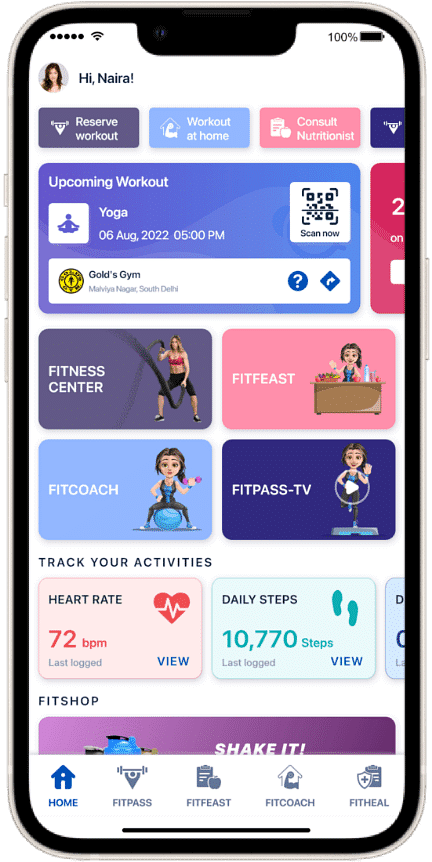
- Use hydration apps or reminders: they help track your intake easily.
Consistency is the key. Your body doesn’t store water, so regular intake matters more than drinking large amounts occasionally.
Understanding Electrolyte Balance
Plain water is essential, but when you sweat a lot, especially during long workouts, your body loses electrolytes like sodium, potassium, and magnesium. These minerals are crucial for muscle contractions, hydration balance, and nerve function.
For intense workouts or outdoor sports, replace lost fluids with coconut water, electrolyte drinks, or fruit-based smoothies. However, avoid sugary sports drinks unless your workout lasts longer than an hour.
Maintaining this balance helps you stay hydrated, energised, and cramp-free.
Hydration Myths You Should Stop Believing

Myth: You must drink 8 glasses of water every day.
Truth: Your needs depend on your body weight, activity level, and climate.
Myth: Only water hydrates you.
Truth: Soups, fruits, and herbal teas also contribute to your daily water intake.
Myth: Thirst is the best indicator of hydration.
Truth: By the time you feel thirsty, you’re already slightly dehydrated.
Myth: Drinking a lot of water at once hydrates you faster.
Truth: Your body absorbs water better in smaller, frequent sips.
The Role of Hydration in Long-Term Health
Beyond fitness, hydration supports long-term health in many ways. Adequate water intake helps prevent kidney stones, urinary infections, constipation, and even hypertension. It keeps your skin elastic and reduces the risk of headaches caused by dehydration.
Long-term dehydration has been linked to premature ageing, poor digestion, and chronic fatigue. That’s why maintaining consistent water intake. Rather than short bursts of drinking, it makes a lasting difference.
Hydration is not a seasonal concern; it’s a lifelong habit that supports every organ in your body.
Final Thoughts
Hydration isn’t just about quenching thirst; it’s about giving your body the foundation it needs to perform at its best. Whether you’re chasing fitness goals, working long hours, or just trying to feel more energised, your daily water intake makes all the difference.
Think of water as your simplest, most accessible health tool. Keep sipping, stay mindful, and let hydration power your fitness, focus, and overall well-being, every single day.