High-Intensity Interval Training (HIIT) has become one of the most popular fitness trends globally, and for good reason. It helps burn calories fast, boosts metabolism, and builds endurance in shorter time frames compared to traditional workouts. From beginners to seasoned athletes, everyone seems to be hopping on the HIIT bandwagon.
But here’s the catch: while HIIT can be incredibly effective, doing it incorrectly can lead to injuries, burnout, and poor results. Many people unknowingly make HIIT workout mistakes that not only limit their progress but also put their health at risk.
Before diving into those errors, let’s understand one thing: HIIT is all about intensity, not insanity. The goal is to push hard in short bursts and then allow your body to recover properly before the next round.
Key Takeaways
- HIIT is effective but must be done with correct form, structure, and recovery.
- Overtraining, poor warm-ups, and wrong work-rest ratios are common HIIT errors.
- Proper nutrition, hydration, and post-HIIT recovery are essential for results.
- Listening to your body prevents injury and improves performance.
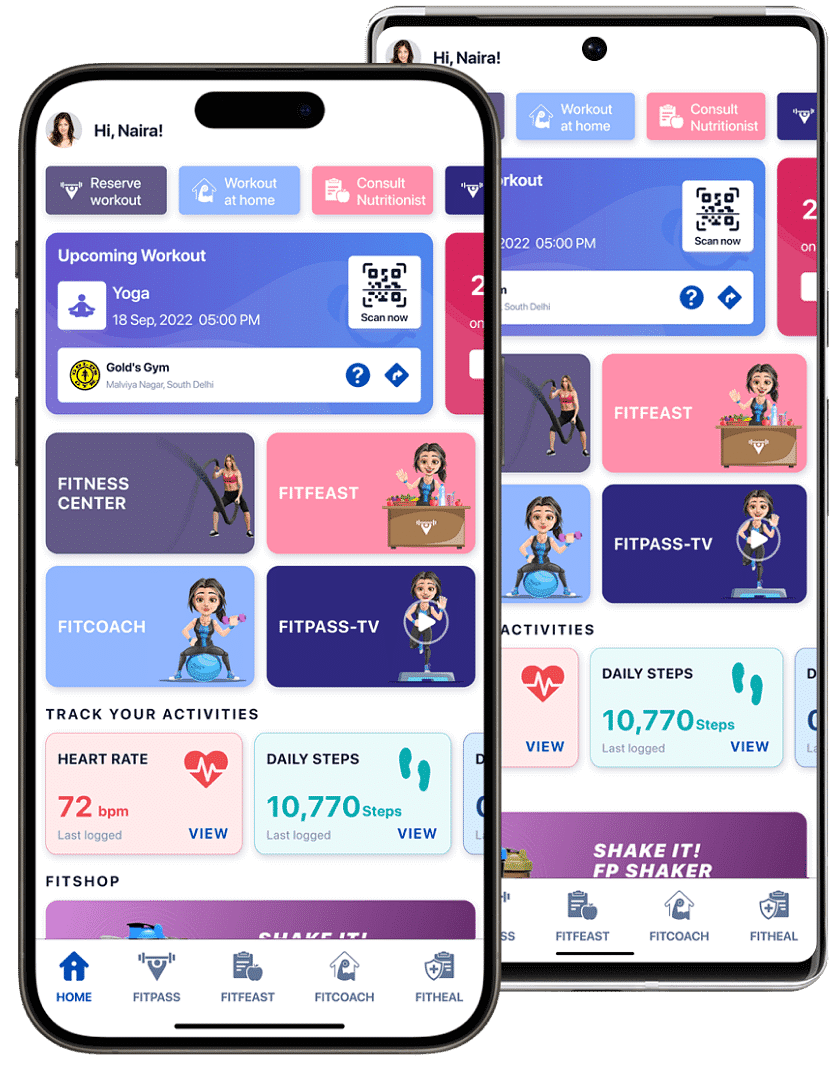
- FITPASS offers access to expert trainers and safe HIIT classes near you.
Understanding HIIT and Its Benefits

HIIT (High-Intensity Interval Training) involves alternating between intense activity and brief rest or lower-intensity periods. For example, you might sprint for 30 seconds, then walk for 60 seconds, and repeat.
Research published in the Journal of Strength and Conditioning Research found that just three 20-minute HIIT sessions per week improved cardiovascular health, fat oxidation, and muscle endurance significantly compared to steady-state cardio.
However, to truly enjoy HIIT for fat loss and endurance, you need to perform it correctly. Let’s break down the five most common HIIT mistakes people make, and how you can fix them.
1. Skipping Warm-Up and Cool-Down
It might seem tempting to jump straight into those intense sprints or burpees, but skipping a warm-up is one of the biggest HIIT workout mistakes you can make.
Why Warm-Up Matters
A proper HIIT warm-up increases blood flow, raises your heart rate gradually, and prepares your muscles and joints for the explosive movements ahead. Without it, you risk muscle strains, joint pain, and reduced performance.
Skipping warm-up risks include:
- Pulled hamstrings or calves
- Poor flexibility and range of motion
- Sluggish start leading to lower calorie burn
A dynamic warm-up of at least 5–10 minutes — think jumping jacks, high knees, or bodyweight squats- can make a big difference.
Don’t Forget the Cool-Down
Just as warming up is vital, a HIIT cool-down helps bring your heart rate back to normal and reduces post-workout soreness. Incorporate stretching after HIIT to enhance flexibility, support muscle recovery after HIIT, and prevent stiffness.
Studies show that a proper cool-down reduces lactic acid buildup and aids faster recovery, crucial if you’re doing multiple HIIT sessions per week.
2. Overtraining and Ignoring Recovery

HIIT is designed to push you, but pushing too hard, too often, can backfire. Overtraining is one of the most common HIIT errors, especially among beginners who believe more is always better.
Understanding Overtraining in HIIT
When you overdo HIIT, your body doesn’t get enough time to repair muscle fibres or replenish energy stores. This can lead to fatigue, poor sleep, hormonal imbalances, and even a decline in performance.
According to a study in the European Journal of Applied Physiology, participants who performed HIIT daily without adequate rest showed increased cortisol levels and reduced endurance after just two weeks.
The Ideal HIIT Frequency Per Week
For most people, 2–4 HIIT sessions per week are sufficient. Always balance HIIT days with active recovery days, such as yoga, walking, or stretching, to allow your body to rebuild and grow stronger.
HIIT recovery tips:
- Sleep for at least 7–8 hours per night
- Hydrate adequately before and after sessions
- Eat balanced meals with lean proteins and complex carbs
- Include mobility exercises on rest days
Remember, recovery isn’t a sign of weakness; it’s a part of progress.
3. Using the Wrong Work-Rest Ratio
One of the defining features of HIIT is its structured intervals, yet many people get this wrong. The ideal HIIT work-rest ratio depends on your fitness level, goals, and workout type.
Common Mistake: Not Resting Enough
Many beginners believe the shorter the rest, the better the results. But insufficient recovery between sets means your body never fully recovers, leading to reduced intensity and poor performance.
Typical HIIT interval lengths and ratios:
- Beginners: 20 seconds of work / 40 seconds of rest (1:2 ratio)
- Intermediate: 30 seconds of work / 30 seconds of rest (1:1 ratio)
- Advanced: 40 seconds of work / 20 seconds of rest (2:1 ratio)
Pushing too hard without proper rest can lead to fatigue and form breakdown, increasing the risk of injuries.
Short HIIT Bursts Done Right
The secret is quality over quantity. Each burst should be performed at near-max intensity, followed by enough recovery to maintain that effort in the next round.
Using a timer or joining HIIT classes near me can help maintain proper pacing and ensure you follow the right intervals under expert supervision.
4. Poor Form and Posture

Even the best HIIT routines can be dangerous if your form is incorrect. Poor posture or technique turns an effective fat-burning session into a potential injury trap.
Proper HIIT Form and Posture Tips
When fatigue sets in, people often lose focus on technique, knees collapsing during squats, backs rounding during planks, or shoulders hunching in push-ups.
To ensure HIIT workout safety, follow these HIIT posture tips:
- Keep your spine neutral during core exercises.
- Land softly during jumps to protect your joints.
- Engage your core to stabilise movements.
- Move at your own pace, don’t sacrifice form for speed.
A certified trainer can provide HIIT with trainer guidance, correcting your movements and ensuring you stay safe.
HIIT and Joint Safety
If you’re dealing with knee or back issues, opt for low-impact HIIT variations such as stationary biking, rowing, or modified burpees. Prioritising injury prevention in HIIT will help you train consistently without setbacks.
5. Neglecting Nutrition and Hydration

HIIT burns calories quickly, but without proper nutrition and hydration, your energy levels and recovery suffer.
Pre-Workout Fuel
Eating a light meal 60–90 minutes before training improves stamina and performance. Include carbs for quick energy and a small amount of protein for muscle support.
Avoid heavy or greasy foods before your session, as they can slow digestion and make you feel sluggish.
Hydration before HIIT is equally crucial. Dehydration can lead to cramps, dizziness, and fatigue. Sip water throughout the day and take small sips during rest periods.
Post-HIIT Nutrition
Your muscles need replenishment after a high-intensity session. The best approach to post-HIIT nutrition is combining protein and carbs within 30 minutes of finishing your workout.
Some good options include:
- A protein shake after HIIT with banana or oats
- Greek yoghurt with berries
- Grilled chicken with brown rice
Knowing what to eat after HIIT helps speed up recovery, rebuild muscles, and restore glycogen stores, essential for long-term progress.
Best HIIT Practices for Beginners

If you’re new to high-intensity interval training, start slow. Jumping into advanced workouts can overwhelm your body and increase the risk of injury.
Here are some HIIT beginner tips and best HIIT practices:
- Begin with 15–20 minute sessions twice a week.
- Prioritise correct form over speed.
- Use bodyweight exercises before adding resistance.
- Increase duration and intensity gradually as endurance builds.
- Track your HIIT calorie burn to stay motivated.
Also, HIIT for beginners works best when combined with other forms of fitness like strength training or yoga for balance and recovery.
Personal Experience: Learning the HIIT Way
When I first started HIIT, I made nearly every mistake in the book, skipping warm-ups, doing it daily, and ignoring my nutrition. Within two weeks, I felt exhausted and sore all the time. My progress stalled, and I even strained my knee.
After consulting a trainer, I learned how to plan my HIIT sessions correctly, with proper warm-ups, structured rest periods, and balanced nutrition. The results were almost immediate. My endurance improved, I felt stronger, and the soreness reduced dramatically.
Now, I follow a schedule of three HIIT sessions a week with guided variations to prevent overtraining. It’s not just about burning calories anymore; it’s about HIIT for overall fitness and long-term strength.
Conclusion: HIIT Is Powerful, But Precision Is Key
HIIT can transform your fitness journey when done right. Avoiding these high-intensity interval training mistakes ensures that you stay safe, recover well, and get the results you want.
Whether you’re training for fat loss, strength, or stamina, focus on proper warm-up, rest, posture, nutrition, and frequency. And remember, progress comes from consistency, not chaos.
With platforms like FITPASS, you can access expert-led HIIT classes, recovery advice, and a range of fitness studios to make your routine safe, effective, and enjoyable.