Eating right is just as important as exercising right. Whether you're lifting weights, running miles, or sweating it out in a HIIT class, your food choices directly impact your performance, recovery, and overall progress. Proper exercise nutrition tips help you energise before a session and recover better after one. And while many people obsess over workouts, it's what’s on your plate that often makes the difference.
Let’s explore how pre-workout nutrition and post-workout nutrition can shape your fitness journey. Discover what to eat before exercise, what to eat after a workout, and the best foods to support your goals.
Your body is like a high-performance engine. Without the right fuel, it will sputter through your workouts and break down faster. The food you eat before exercise powers your muscles and keeps fatigue at bay. The food you eat after replenishes your body, repairs muscles, and supports recovery.
Balanced meals, timed correctly, can:
- Boost endurance and strength.
- Improve focus during exercise.
- Reduce post-workout soreness.
- Build and maintain muscle mass.
- Support fat burning and metabolism.
Understanding the basics of exercise nutrition tips is key to long-term results, especially when you’re chasing personal bests or trying to stay consistent.
Choosing the right pre-workout nutrition can make or break your training session. The goal is to fuel up in a way that provides energy without feeling too full or sluggish.
Ideally, eat a well-balanced meal 2–3 hours before you train. If you're short on time, opt for a smaller carbohydrate and protein snack 30–60 minutes before.

Here are some great pre-workout nutrition options to keep you energised and focused:
Rich in slow-digesting carbs and fibre, oatmeal keeps blood sugar levels steady. Add sliced bananas or berries for natural sugars and antioxidants.
Whole-grain bread provides complex carbs, while a banana gives a quick energy boost. Peanut butter adds healthy fat and a bit of protein—perfect for sustained stamina.
This snack is rich in protein and gut-friendly probiotics. The berries add a splash of natural sugar and vitamins to keep you light but energised.
Top it with low-fat cheese, hummus, or avocado for balanced energy. This meal is especially good if you have over an hour before your workout.
Before we jump into post-workout nutrition, let’s not forget hydration. It’s not just about drinking water during your session. Start sipping water or electrolyte drinks 1–2 hours before exercise and continue hydrating throughout the day.
Mild dehydration can cause fatigue, cramping, headaches, and even dizziness mid-workout. If you’re training hard or sweating heavily, consider drinks that replace sodium and potassium, too.
Your body goes through a lot during exercise, especially your muscles. What you eat after plays a critical role in recovery. The ideal post-workout nutrition focuses on protein and carbohydrate snacks to refuel glycogen stores and repair muscle tissue.

Aim to eat within 30 to 60 minutes after finishing your workout. This “anabolic window” is when your body is most responsive to nutrient absorption.
Here’s a list of ideal post-workout nutrition choices to help you bounce back stronger:
A protein shake is fast-digesting and convenient. Look for blends with 20–25g of high-quality protein like whey or pea protein, and mix it with a banana or oats for extra carbs.
This classic recovery drink offers a near-perfect carb-to-protein ratio. It helps replenish energy stores and supports muscle repair in a tasty, easy-to-digest form.
Blend fruits like mango, banana, or berries with Greek yoghurt or protein powder. Smoothies are a great way to combine hydration, carbs, protein, and essential vitamins.
Lean turkey offers a great source of protein, while whole-grain bread replenishes glycogen. Add spinach, tomato, or avocado for a nutrition boost and better satiety.
Your nutrition strategy should align with your fitness goals. Whether it’s fat loss, muscle gain, or endurance, the way you fuel matters.
Prioritise high-protein meals both before and after workouts. Include carbs for energy and consistent strength performance. Don’t skip meals or snacks, and stay consistent with your protein shake post-workout.
Watch portion sizes and focus on nutrient-dense, low-calorie foods. Choose lean protein, high-fibre carbs, and plenty of vegetables. Avoid sugary foods even post-workout, and instead opt for a Greek yoghurt with berries or oatmeal with fruit.
Carbs are king here. Think whole-grain bagels, peanut butter banana sandwiches, and fruit smoothies for workout support. Hydration is critical replenish lost electrolytes through coconut water or oral rehydration salts (ORS) post-run.
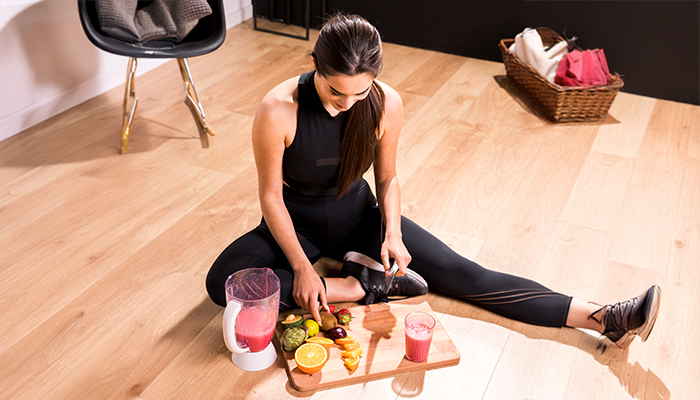
Not all meals have to be large. Strategic snacking before and after your workout can also do the trick, especially if you're pressed for time or on the go.
Try these effective snack options:
- A small carbohydrate and protein snack, like apple slices with peanut butter.
- Rice cakes with cottage cheese..
- A boiled egg with a banana.
- Trail mix (opt for a low-sugar variety).
These smaller choices give you quick access to energy and nutrients without weighing you down or delaying your post-exercise recovery.
While we’ve touched on hydration for exercise, it deserves more emphasis. Muscles are 75% water, and even a 2% drop in hydration levels can reduce performance.
- Before exercise: 400–600 ml of water 1–2 hours before.
- During exercise: 200 ml every 15–20 minutes (especially if working out >45 minutes).
- After exercise: At least 500 ml, more if you've sweated a lot.
Coconut water, fruit-infused water, and ORS are great ways to enhance hydration with extra minerals. Avoid caffeinated or sugary drinks post-exercise, as they can delay rehydration.
| Time |
Meal |
Example |
| 1–2 hrs before workout |
Complex carbs + protein |
Oatmeal with fruit, whole-grain bagel with hummus |
| 30 minutes before the workout |
Light carb-rich snack |
Peanut butter banana sandwich, Greek yoghurt with berries |
| Immediately post-workout |
Fast-absorbing carbs + protein |
Protein shake with banana, low-fat chocolate milk |
| 1 hr after the workout |
Balanced recovery meal |
Turkey sandwich on whole-grain bread with veggies, fruit smoothie for workout recovery |
Stick to real, whole foods where possible. They offer better satiety, nutrition, and long-term health benefits over processed snack bars or supplements.

To wrap it up, here are five quick exercise nutrition tips to remember:
- Time your meals right. Eating too close to a workout may cause cramps; too far out may leave you low on energy.
- Prioritise protein post-workout. It’s essential for muscle repair and growth.
- Carbs are not the enemy. They fuel your body and help with recovery.
- Stay hydrated all day. Don’t just wait until you're thirsty.
- Listen to your body. Everyone’s digestion and energy needs are different.
When it comes to fitness, you can’t outrun a poor diet. Smart pre-workout nutrition, strategic post-workout nutrition, and good hydration habits will take your workouts from average to excellent. Instead of overcomplicating your routine, build a simple, sustainable eating plan using these exercise nutrition tips. You’ll not only see better results, you’ll feel better too.
So the next time you gear up for a session, ask yourself: Have I fuelled up right? If not, grab that peanut butter banana sandwich or whip up a fruit smoothie for workout power—and get ready to crush it.