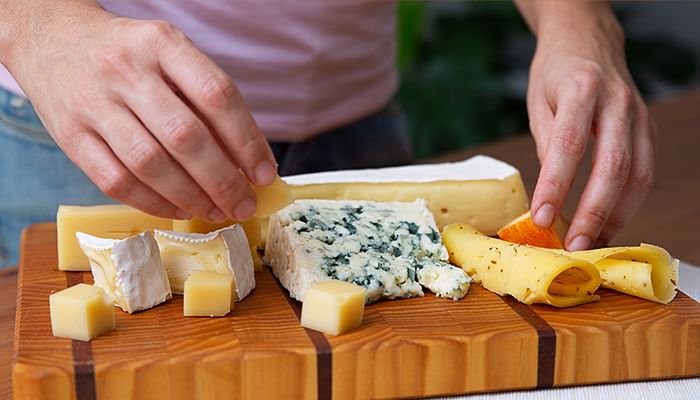
Cheese has been loved for centuries, gracing our plates in countless forms, from creamy Cheddar and nutty Gouda to rich Swiss and sharp Parmesan. Though it's often labelled a "fatty food," cheese is far more than just indulgence. It's actually a powerhouse of essential nutrients like Vitamin A, Vitamin B12, Calcium, Protein, Zinc, and Phosphorus. These nutrients play a vital role in overall well-being, helping to build stronger bones, support heart health, and enhance the health of your skin and hair.

Nutritional Profile of Cheese
The nutritional value of cheese varies by type. Cheese calories per 100 grams range from 98 kcal in low-fat cottage cheese to over 430 kcal in aged Parmesan. A standard slice (20-28g) contains 50-120 calories, so knowing the calories in one slice of cheese is important for portion control.
Cheese is an excellent source of high-quality protein, containing a complete amino acid profile that supports muscle maintenance and growth. Among different varieties, hard and aged cheeses provide the highest protein concentrations. For example, Parmesan offers 33.6 grams of protein per 100 grams, while reduced-fat Cheddar provides 31.1 grams. Even moderate options like Swiss cheese contain 26.9 grams of protein per 100 grams, making them great choices for those looking to boost daily intake. Choosing high-protein cheeses like these can help meet fitness and dietary goals without compromising on flavour.
Fat in cheese ranges from 4-33 g per 100 g. Full-fat cheeses are calorie-dense but provide essential fatty acids and aid in the absorption of fat-soluble vitamins. Low-fat cheese options, such as cottage cheese, are ideal for lighter diets. Carbs in cheese are naturally low, usually 1-4 g per 100 g, making cheese suitable for low-carb eating patterns.
Cheese Nutritional Value per 100g
|
Cheese Type
|
Energy (per 100g)
|
Protein (g)
|
Fat (g)
|
Carbohydrates (g)
|
Calcium (mg)
|
Sodium (mg)
|
|
Cheddar (Regular)
|
403
|
25.0
|
33.1
|
1.3
|
721
|
621
|
|
Cheddar (Reduced-fat)
|
282
|
31.1
|
17.4
|
2.1
|
961
|
617
|
|
Mozzarella (Part-skim)
|
254
|
24.3
|
15.9
|
3.1
|
505
|
311
|
|
Parmesan
|
431
|
33.6
|
29.0
|
4.1
|
1,109
|
1,529
|
|
Swiss
|
380
|
26.9
|
29.8
|
1.4
|
791
|
192
|
|
Cottage Cheese (Low-fat)
|
98
|
11.1
|
4.3
|
3.4
|
83
|
364
|
|
Ricotta (Part-skim)
|
138
|
11.4
|
7.9
|
3.0
|
207
|
84
|
|
Goat Cheese
|
364
|
21.6
|
29.8
|
2.5
|
298
|
515
|
|
Blue Cheese
|
353
|
21.4
|
28.7
|
2.3
|
528
|
1,395
|
|
Feta
|
264
|
14.2
|
21.3
|
4.1
|
493
|
1,116
|
The Micronutrient Goldmine
Beyond macronutrients, cheese delivers exceptional micronutrient density:
- Calcium Champions: Parmesan leads with 1,109mg per 100g, meeting daily requirements in a single serving
- Phosphorus Power: Working with calcium for optimal bone health (300-700mg per 100g)
- Vitamin B12: Essential for nerve function and energy (1-3mcg per 100g)
- Vitamin A: Supporting vision and immune function (200-400mcg per 100g)
- Zinc: Crucial for wound healing and protein synthesis (2-4mg per 100g)

Is cheese good for your health?
If you've ever wondered whether cheese is actually good for you, the answer is a big yes (when enjoyed in moderation!). Whether you prefer classic paneer, rich cheddar, or soft mozzarella, each variety brings something valuable to the table. From strengthening your bones and improving gut health to supporting muscle recovery and weight management, cheese offers benefits that go far beyond taste. Let's dive into the top 10 proven health benefits of cheese that make it a wholesome addition to the modern Indian diet.
1. Bone Strength, Calcium Content and Osteoporosis Prevention
Cheese is one of the richest natural sources of calcium, an essential nutrient for strong bones. Depending on the variety, cheese calcium content ranges from 721-1,109 mg per 100g. Aged cheeses like Parmesan can provide up to 75% of the daily calcium requirement in just 50g.
The presence of caseinophosphopeptides (CPPs) in cheese enhances calcium absorption, while vitamin K2 in aged cheeses ensures that calcium is deposited in bones rather than arteries. For Indian adults, especially vegetarians, including high-calcium cheese in the diet is a practical way to prevent osteoporosis and maintain long-term bone health.
2. Supports Heart Health and Cardiovascular Wellness
Contrary to common misconceptions, moderate cheese consumption can support heart health. Conjugated linoleic acid (CLA) in cheese helps improve lipid metabolism, lower triglyceride levels, and reduce waist circumference. When eaten in moderation, traditional paneer and imported cheeses can be part of a heart-friendly Indian diet.
3. High-Quality Protein for Muscle Growth
Cheese is an excellent source of complete protein, containing all essential amino acids needed for muscle repair and growth. Protein in cheese ranges from 11-34 g per 100g, with aged Parmesan and reduced-fat Cheddar offering the highest amounts. Casein, a slow-digesting protein found in cheese, provides a steady release of amino acids, supporting post-workout recovery.
For Indian vegetarians, high-protein cheeses like paneer and Cheddar serve as excellent alternatives to meat, helping meet daily protein requirements.
4. Cheese for Weight Management
Cheese can actually aid in weight management when consumed mindfully. It contains beneficial monounsaturated and polyunsaturated fats that support metabolism and fat burning. Its high protein content increases satiety, reduces cravings, and preserves muscle mass during calorie restriction.
How cheese helps in weight loss:
- Low-calorie cheese varieties keep calories in check while providing volume.
- High protein content maintains muscle mass during weight loss.
- Contains dietary fibre that aids digestion and boosts metabolism.
5. Reduces Type 2 Diabetes Risk
Meta-analyses consistently show that cheese consumption reduces type 2 diabetes risk by 18-54%. This protective effect stems from cheese's ability to improve glucose metabolism and reduce fasting blood sugar levels. The high protein content helps stabilise blood sugar by slowing carbohydrate absorption and improving insulin sensitivity.
Research specifically on paneer shows its low carbohydrate content (less than 2g per 100g) and magnesium content helps regulate blood glucose levels. This makes both traditional Indian paneer and other cheese varieties suitable options for diabetics when consumed in appropriate portions.

6. Supports Gut Health
Fermented cheeses like Swiss, Gouda, and aged Cheddar are rich in probiotics, including Lactobacillus and Bifidobacterium. These beneficial bacteria survive digestion, support gut microbiome diversity, and produce short-chain fatty acids (SCFAs) that nourish intestinal cells and reduce inflammation. For Indians accustomed to fermented foods like yoghurt, probiotic-rich cheeses offer an additional route to better digestive health.
7. Provides Antioxidant Protection
Cheese contains various antioxidant compounds, including glutathione, vitamin E, and selenium, which protect cells from oxidative damage. The ageing process concentrates these protective compounds while developing new bioactive peptides with antioxidant properties.
Research shows that cheese consumption correlates with reduced markers of inflammation and oxidative stress, contributing to overall cellular health and longevity. The antioxidant capacity particularly benefits individuals exposed to environmental pollutants common in urban Indian environments.
8. Can be Helpful During Pregnancy
Pregnant women require a diet rich in calcium and protein to support the healthy growth and development of their babies. Cheese for pregnancy is an excellent source of these essential nutrients, promoting strong bones and overall fetal health. Additionally, it helps prepare the body for breastfeeding by supporting milk production after childbirth.
Why is Cheese Beneficial During Pregnancy?
- High in calcium, which is essential for the baby's bone development
- Helps in milk production for breastfeeding mothers
- Contains Vitamin D for the baby's development
9. Convenient, Versatile and Boosts Immunity
Cheese is easy to include in Indian dishes, sandwiches, parathas, salads, or traditional paneer-based curries, while adding both flavour and nutrition.
Cheese provides multiple immune-supporting nutrients, including zinc (2-4mg per 100g), vitamin A (200-400mcg per 100g), and high-quality proteins necessary for antibody production. The selenium content in cheese varieties supports antioxidant enzyme function, while B vitamins aid in immune cell production.
Regular paneer consumption promotes haemoglobin production and strengthens the immune system. Additionally, antimicrobial peptides in aged cheeses offer extra protection against infections.
10. Get Glowing Skin and Healthy Hair
Cheese is not just beneficial for bones and muscles; it also supports healthy skin and hair. Packed with high-quality protein, essential vitamins, and minerals, cheese helps strengthen hair follicles and maintain skin elasticity.
Key Nutrients for Skin and Hair:
- Protein in cheese supports keratin production, which is crucial for hair strength and shine.
- Zinc (2-4 mg per 100g) promotes hair growth, reduces hair thinning, and aids skin healing.
- Vitamin A (200-400 mcg per 100g) helps maintain healthy skin by supporting cell turnover and preventing dryness.
- Selenium acts as a potent antioxidant, protecting skin and hair cells from oxidative stress caused by pollution and UV exposure, particularly important in urban Indian environments.
- Vitamin B12 supports red blood cell production, which improves oxygen delivery to the skin and scalp for a natural glow.
Including cheese in your diet, such as paneer in curries or salads, can provide these nutrients consistently, contributing to smoother skin and healthier, stronger hair. For vegetarians, cheese offers a convenient and natural alternative to animal-based nutrients that support skin and hair health.
Practical Guidance for Indian Consumers
Including cheese in your diet can be simple, nutritious, and aligned with Indian food habits when done thoughtfully. Here's how to make the most of cheese nutrition in everyday meals:
1. Daily Intake Recommendations
For optimal health benefits without excessive calories, aim for 30-40g of cheese per day. This roughly translates to 2-3 cubes of paneer or 1-2 slices of hard cheese. Moderate intake ensures you receive sufficient protein in cheese, calcium, and other nutrients while keeping cheese calories under control.

2. Healthy Preparation Methods
Choose cooking methods that preserve nutrients: grilling, baking, or lightly pan-frying is better than heavily processed or fried preparations. Traditional Indian dishes like paneer tikka, palak paneer, or mixed vegetable paneer curry provide excellent nutrition while maintaining authentic flavours.
3. Quality Selection
Whenever possible, opt for naturally aged or minimally processed cheeses. Check ingredient labels for fewer additives, low preservatives, and no artificial colours. These choices maximise cheese nutritional value per 100g while offering better taste and health benefits.
4. Integration with Indian Meals
Combine cheese with fibre-rich vegetables, whole grains, and legumes to create balanced meals. For example, adding paneer to stir-fried vegetables or whole-grain parathas can improve protein intake and support satiety, while helping maintain a healthy weight. This approach ensures maximum nutrient absorption without overloading on calories or fat.
Conclusion
Scientific evidence overwhelmingly supports cheese as a valuable component of a healthy diet, offering benefits ranging from bone health and cardiovascular protection to muscle growth, immune support, and weight management. For Indian consumers, both traditional paneer and international cheese varieties provide excellent nutrition, making them particularly important for vegetarians seeking high-quality protein sources.
The key to maximising the benefits of cheese lies in mindful consumption, choosing naturally aged or minimally processed varieties, controlling portions, and integrating cheese thoughtfully into balanced meals. With over 180 studies showing neutral to positive health effects, cheese should be seen not as an indulgence, but as a functional food that supports multiple aspects of human health.
For optimal results, aim for 30-40g of cheese daily, combining it with fibre-rich vegetables, whole grains, and legumes to enhance nutrient absorption while managing calorie intake. By making informed choices, cheese can become a nutritious and versatile part of the Indian diet, promoting wellness without compromising flavour.