Employee well-being is no longer just a nice-to-have in Indian workplaces. It has become a core part of business strategy. As companies navigate rising healthcare costs, productivity challenges, and post-pandemic expectations, employee health metrics in India have emerged as a powerful tool for better workforce management. Today, organisations want real data on how healthy their teams are, how active they stay, and how these habits influence performance.
This shift reflects a strong rise in corporate wellness in India, where leaders now see fitness not as a perk but as a measurable asset. The result? Growing demand for employee fitness tracking, structured wellness programmes, and better integration of health KPIs into HR systems.
Before we explore the deeper reasons behind this change, here are some important highlights.
Key Takeaways
- Indian employers now track employee health as part of a long-term workforce strategy.
- Fitness and productivity show a measurable correlation, making health metrics a business priority.
- Corporate wellness programmes in India are growing rapidly with strong HR involvement.
- Data-driven wellness KPIs help reduce healthcare costs and absenteeism.
- Companies increasingly use fitness trackers, digital platforms, and preventive healthcare tools.
- Employee expectations have changed, with health and well-being ranking high on workplace needs.
Why Employee Health Matters More Than Ever

Indian organisations have entered a new era where employee wellbeing shapes operational success. With growing pressure to improve performance, retain skilled talent, and manage rising stress levels, employee well-being has taken centre stage.
After the pandemic, mental and physical health challenges rose sharply. A 2023 survey by ASSOCHAM found that 56% of India’s corporate employees reported high stress levels, while more than 40% struggled with poor physical activity. At the same time, Deloitte’s Workforce Report highlighted that companies with strong wellness initiatives recorded up to 30% lower absenteeism.
When you connect these insights, one thing becomes clear: improving workforce fitness leads to better productivity, morale, and retention.
This is exactly why workplace health programmes in India are growing at double-digit rates. Companies want healthier employees who can perform consistently without burnout.
The Rise of Employee Health Metrics in India
Health metrics help companies measure fitness levels, daily activity, health risks, and overall well-being. These include:
- Daily step counts
- Heart rate data
- Sleep quality
- Stress levels
- Participation in fitness challenges
- BMI and body composition (optional and consent-based)
- Sick leave patterns
- Engagement in wellness sessions
The demand for such data has increased sharply because leaders now rely on corporate health data to plan insurance policies, training needs, and productivity strategies.
What started as simple health check-ups has now evolved into smarter digital monitoring systems using apps, dashboards, and wearables. Many companies offer a fitness tracker for corporate employees, making it easier to encourage movement during the day.
This push is also part of wider employee wellness trends 2026, where data-led wellbeing programmes are expected to dominate corporate HR.
How Fitness Tracking Became a Game Changer for Workplaces
When employees track their health regularly, they become more aware of their habits. Companies have realised that this awareness leads to:
- Better participation in workouts
- Improved movement during office hours
- Lower stress
- Higher team engagement
- Better work performance
The shift towards employee fitness tracking stems from a clear understanding of the fitness and productivity correlation. Studies show this connection is far stronger than most people think.
Corporate Wellness in India: A Growing Movement

The Indian corporate sector has embraced wellness as an official HR priority. HR wellness policies in India now include health assessments, fitness challenges, mental health support, and preventive screenings.
Three strong reasons drive this movement:
Rising Lifestyle Disorders:
Sedentary desk jobs have increased risks of diabetes, hypertension, and obesity. Companies want to manage these risks early.
Corporate Health Insurance Trends:
Insurance premiums increase when employees claim more frequently. Healthier employees mean lower premiums.
Work-Life Balance Challenges:
Long hours and high stress affect both mental and physical well-being. Employers must support healthier habits to drive retention.
As a result, organisations now run company wellness initiatives in India, such as:
- Annual health camps
- Steps challenges
- Yoga and Zumba sessions
- Virtual wellness programmes
- Nutrition guidance
- Ergonomic assessments
- Mental health counselling
- Team sports days
These initiatives work best when backed by measurable data, which is where health metrics come in.
Preventive Healthcare Becomes the Foundation
For years, organisations focused only on treating illnesses after they happened. Now things have changed. Preventive healthcare in corporates has become a core strategy, and employee health metrics play a vital role in spotting early risks.
Companies use wellness KPIs to:
- Predict possible health risks
- Improve employee lifestyle patterns
- Encourage regular health check-ups
- Promote stress-management sessions
- Identify departments with higher burnout rates
- Improve long-term workforce planning
When health risks are addressed early, employees stay healthier and more motivated. This directly impacts organisational performance.
Wellness KPIs: The New Corporate Currency

Tracking steps, sleep, heart rate, workout minutes, and participation rates allows HR teams to implement proper wellness KPIs for employees. These KPIs help measure:
- How active employees are
- How often they attend wellness sessions
- Participation in fitness challenges
- Engagement with health platforms
- Outcomes of corporate wellness investments
Such structured KPIs help companies allocate resources smartly and measure the real impact of wellness initiatives on performance.
This aligns perfectly with modern employers' focus on fitness metrics, where well-being becomes a measurable and strategic pillar of HR.
Why Indian Employees Welcomed the Change
A healthy shift is happening. Employees now want better health support from their companies. According to NASSCOM’s workplace survey, 72% of Indian employees prefer companies that offer strong wellness benefits.
Why?
- They want to reduce stress
- They want help staying active
- They want easier access to fitness options
- They value personal health more than before
- They know well-being improves work performance
This created the perfect environment for digital wellness platforms, step-tracking programmes, and corporate fitness partnerships.
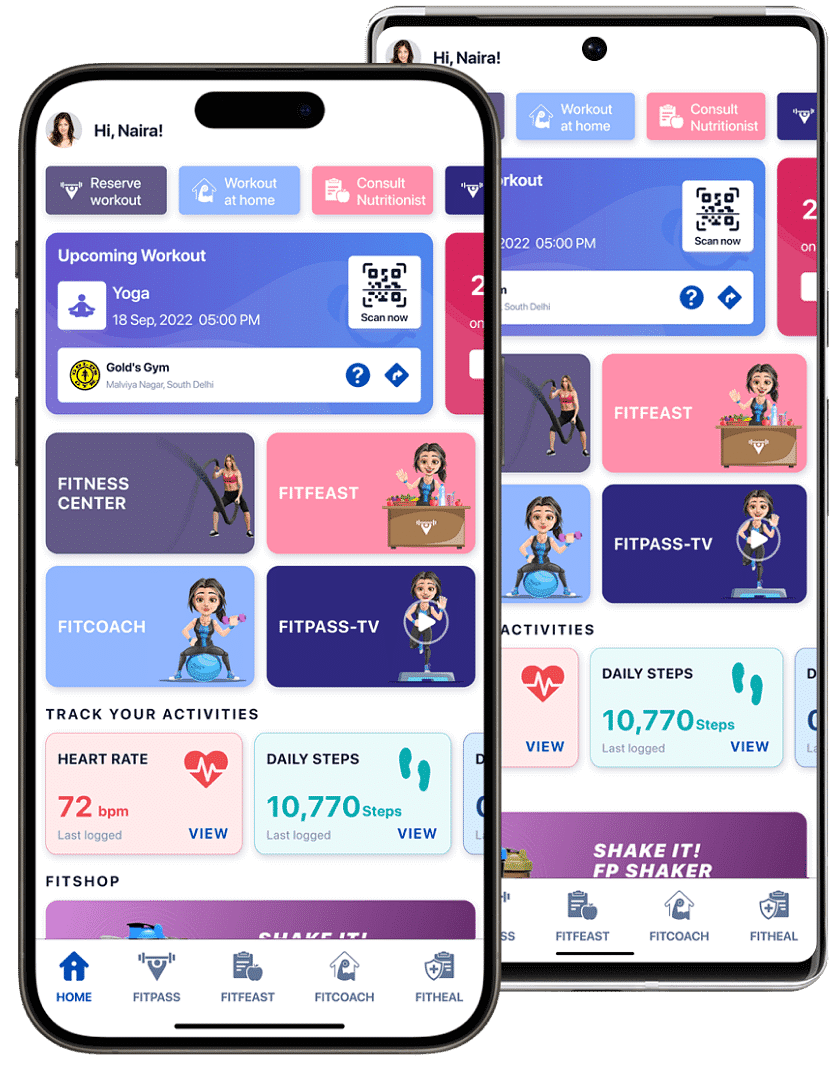
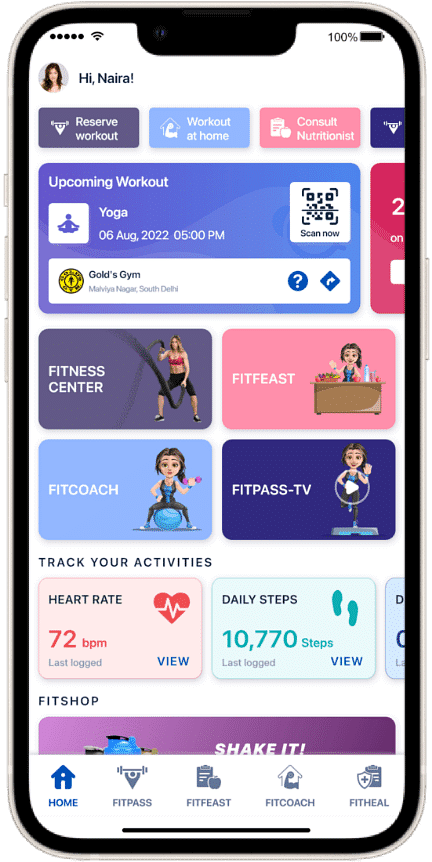
Many organisations also partner softly with platforms like FITPASS, which help employees access gyms, group workouts, and digital wellbeing tools, making wellness programmes more practical and inclusive.
Technology: The Backbone of Corporate Health Data
The digital transformation of workplaces has made health tracking easier and more accurate. Technology allows companies to:
- Collect health data securely
- Offer personalised fitness journeys
- Track behaviour changes
- Host virtual wellness sessions
- Run gamified challenges
- Offer real-time health dashboards
Wearables, AI-based health predictions, and fitness apps are now common in corporate wellness plans.
This digital shift ensures that health tracking in the workplace is smooth, transparent, and engaging.
Employee Productivity and Fitness: The Business Impact

Healthy employees think clearly, stay energetic, and work with better focus. Indian employers are seeing clear results:
- Benefits of Fitness-Driven Workforces
- Higher productivity
- Lower sick leave
- Reduced burnout
- Better morale
- Improved teamwork
- Higher engagement
- Better job satisfaction
This is why the fitness factor for employees has become a measurable business advantage. Companies no longer rely only on skill or experience; they want health, energy, and resilience.
When fitness becomes part of workplace culture, the whole organisation benefits.
The Future of Corporate Wellness in India
As we head toward 2026 and beyond, corporate wellness will continue to evolve. Organisations will invest more in:
- Digital dashboards for health metrics
- Personalised wellbeing journeys
- Mental health and emotional resilience
- Preventive screenings
- Holistic wellness programmes
- Partnerships with multi-facility fitness platforms
- Wearable technology for real-time tracking
The future of corporate wellness programmes in India is data-driven, employee-centred, and tech-enabled.
Workplaces are finally understanding that healthier employees build healthier companies.
Conclusion
Indian employers now demand health metrics because they see well-being as a measurable driver of performance. From lower healthcare costs to higher productivity and better engagement, every benefit supports business growth.
The rise of employee health metrics in India has reshaped HR systems, boosted preventive healthcare, and encouraged companies to adopt modern wellness tools. As digital platforms and fitness trackers become more common, employees enjoy more personalised support, while organisations gain clearer insights into workforce wellbeing.
In this new era, the companies that prioritise wellness will build stronger, more resilient teams and a competitive edge that lasts.