In today’s high-pressure corporate environment, leadership isn’t just about vision and strategy; it’s about wellness-driven leadership. When leaders prioritise their own physical and mental health, they set a standard that ripples through the entire organisation. From the boardroom to the break room, a leader’s healthy choices can inspire teams to adopt better habits, boosting both morale and productivity.
In this blog, we explore how entrepreneurs and business leaders can transform workplace culture through corporate wellness. We’ll discuss actionable strategies, relevant studies, and real-world examples, showing why fit leaders inspire teams and how corporate fitness initiatives can become a business advantage.
- Corporate wellness starts at the top; leaders who model healthy behaviours inspire teams to follow.
- Entrepreneur fitness is not just about physical strength but also mental resilience.
- Workplace wellness programmes improve employee engagement, retention, and productivity.
- CEO fitness habits influence team culture and can drive sustainable employee wellness strategies.
- Investing in wellness is an investment in long-term business productivity and health.
A healthy leadership culture is more than just having energy for long workdays; it’s about making sustainable decisions, managing stress effectively, and creating an environment where employees feel supported.
A 2019 study by the Journal of Occupational and Environmental Medicine found that companies with leaders actively engaged in wellness programmes had a 25% higher employee participation rate than those without such leadership involvement.
Leaders who demonstrate commitment to wellness through their actions, whether that’s by exercising regularly, eating nutritious meals, or practising mindfulness, send a powerful message: wellness matters here. And in fast-paced startup environments, entrepreneur fitness often becomes the blueprint for team wellness.

Your habits are contagious, especially if you’re a leader. Employees often mirror the work ethics, communication styles, and even health habits of their leaders. If you’re the kind of entrepreneur who schedules a quick lunchtime workout or swaps sugary snacks for healthier options, your team is more likely to follow suit.
For example, Elon Musk famously spoke about streamlining his diet to maintain focus, while Richard Branson attributes much of his business success to daily exercise, claiming it adds four extra hours of productivity to his day. These stories show that fit leaders inspire teams to view health not as a personal luxury but as a professional necessity.
The transition from “I” to “we” in health matters creates a healthy leadership culture where corporate wellness is not just HR’s responsibility but everyone’s shared value.
Wellness isn’t a “nice-to-have”; it’s a strategic business asset.
The Harvard Business Review reports that for every £1 invested in workplace wellness programmes, companies can see a return of up to £3 in reduced healthcare costs and improved productivity.
The link between business productivity and health is clear:
- Reduced absenteeism and sick days.
- Higher engagement levels.
- Better mental resilience during high-pressure projects.
From startup wellness practices to established corporate fitness initiatives, investing in health is an investment in performance.

To turn health talk into tangible results, leaders can implement employee wellness strategies that align with company culture. Some effective options include:
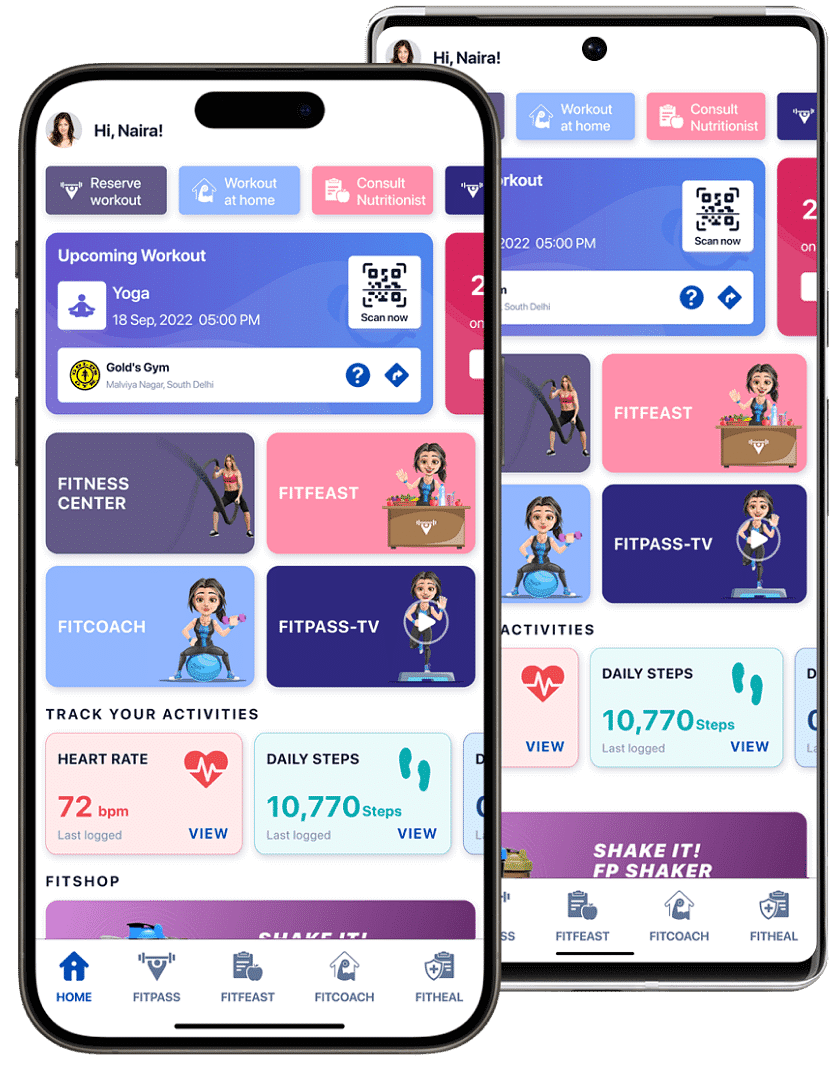
- On-site fitness facilities or memberships – Partnering with services like FITPASS gives employees access to a variety of gyms, fitness classes, and online workouts.
- Flexible schedules – Allowing employees to fit in workouts or meditation breaks during the day.
- Healthy catering options – Stocking the office with nutritious snacks and meal choices.
- Mental health support – Providing therapy access or mindfulness workshops.
When these programmes are leader-driven, they carry more weight. Employees know it’s not just policy, it’s a genuine priority.
The most effective wellness-driven leadership comes from leaders who practice what they preach.
Here are a few CEO fitness habits that can inspire teams:
- Morning workouts: Boost strategy and focus before the workday starts.
- Walking Meetings: Blend Movement with Productivity.
- Mindful breaks: Short meditation sessions to reduce stress.
- Personal wellness challenges: Publicly commit to a health goal and encourage team participation.
These visible habits serve as a constant reminder that mental health in corporate leadership and physical wellness are not afterthoughts.
Physical wellness is crucial, but mental health in corporate leadership is equally important. Chronic stress can cloud judgment, reduce creativity, and strain relationships. By addressing mental wellness, leaders:
- Promote open conversations about stress management.
- Reduce stigma around seeking help.
- Build emotionally resilient teams.
Leaders who share their mental health practices, whether it’s journaling, therapy, or simply taking screen-free weekends, normalise the idea that healthy leadership culture is multi-dimensional.

A single leader’s habits can inspire change, but true transformation comes when wellness becomes embedded in company culture. This requires:
- Consistent communication about wellness initiatives.
- Recognition of employees who embrace healthy lifestyles.
- Integrating wellness into company values and mission statements.
When wellness is part of the company DNA, new hires quickly adapt, and long-term employees feel supported, leading to higher loyalty and reduced turnover.

For entrepreneurs in the early stages, startup wellness practices can feel secondary to funding, product launches, and client acquisition. However, integrating wellness from day one creates a strong foundation.
Simple steps for startups include:
- Allocating a wellness budget (even if modest).
- Hosting weekly fitness or meditation sessions.
- Encouraging flexible work hours to accommodate exercise.
These low-cost initiatives can yield high returns in employee satisfaction and performance.
When I joined a fast-growing tech company, our CEO was known for his marathon training. Every Monday morning, he’d share a short reflection from his weekend run, not about speed, but about persistence, discipline, and focus. Soon, the leadership team began incorporating more active habits: walking meetings, healthy potlucks, and even a quarterly “Wellness Week” with yoga and nutrition talks.
The impact was clear: morale improved, sick days dropped, and our productivity rose. It wasn’t just the corporate fitness initiatives that made the difference, but seeing our leader live those values daily.
Corporate wellness is not a trend; it’s a leadership responsibility. Entrepreneurs and executives have the power to shape workplace culture through their personal health choices. By embracing wellness-driven leadership, fostering a healthy leadership culture, and implementing effective employee wellness strategies, leaders can ensure that both their teams and their businesses thrive.
When leaders prioritise fitness and mental health, they’re not just building stronger companies; they’re creating environments where people genuinely want to work. And as services like FITPASS make diverse fitness options accessible, there’s never been a better time for leaders to set the example.