Workplace safety has always been a top priority for organisations, but in today’s fast-paced work culture, safety goes far beyond wearing helmets or following fire drills. Modern businesses now recognise that corporate wellness and workplace safety are deeply connected. Healthy employees are safer employees, both mentally and physically. By creating employee wellness programmes that nurture physical fitness, mental wellbeing, and healthy lifestyles, organisations can strengthen their occupational health and safety standards while reducing risks, absenteeism, and accidents.
In this blog, we will explore how workplace wellness initiatives not only reduce injuries but also build a positive safety culture, enhance employee engagement, and improve overall business performance.
- Corporate wellness and workplace safety are interconnected; healthy employees are more alert, productive, and less prone to accidents.
- Employee wellness programmes play a key role in workplace injury prevention and building a strong safety culture in organisations.
- A focus on mental health in the workplace improves decision-making and reduces stress-related risks.
- Studies show that investing in corporate health initiatives reduces absenteeism and healthcare costs while boosting performance.
- Real-life testimonials highlight how wellness programmes improve both employee wellbeing strategies and workplace safety outcomes.

When most people think about employee health and safety, they imagine protective equipment, safety drills, or compliance with laws. While these are crucial, they only address the surface. True workplace safety involves preventing accidents before they happen, and this is where wellness and safety programmes come in.
For example, a fatigued employee who skips meals and doesn’t exercise is more likely to make errors at work, which can lead to accidents. On the other hand, someone following a wellness routine, eating nutritious food, and staying physically active is sharper, more focused, and more resilient under stress. This is why employee well-being strategies are essential for improving employee safety.
Investing in health and wellness at work is not just about compliance; it’s about culture. Organisations that promote holistic wellbeing create an environment where employees feel valued, supported, and safe. This is the foundation of a strong safety culture in organisations.
A study published in the Journal of Occupational and Environmental Medicine found that workplaces with active wellness programmes reported 32% fewer safety incidents compared to those without.This shows that employees who are encouraged to take care of their health are less likely to face injuries and illnesses.
Similarly, research by the World Health Organisation (WHO) highlights that every $1 spent on workplace wellness initiatives saves $2.50 in reduced absenteeism and healthcare costs. These savings are not just financial; they also reflect fewer workplace accidents and higher morale.

Not all employer wellness programmes are created equal. For them to impact safety positively, they must address different aspects of employee health. Here are some key elements:
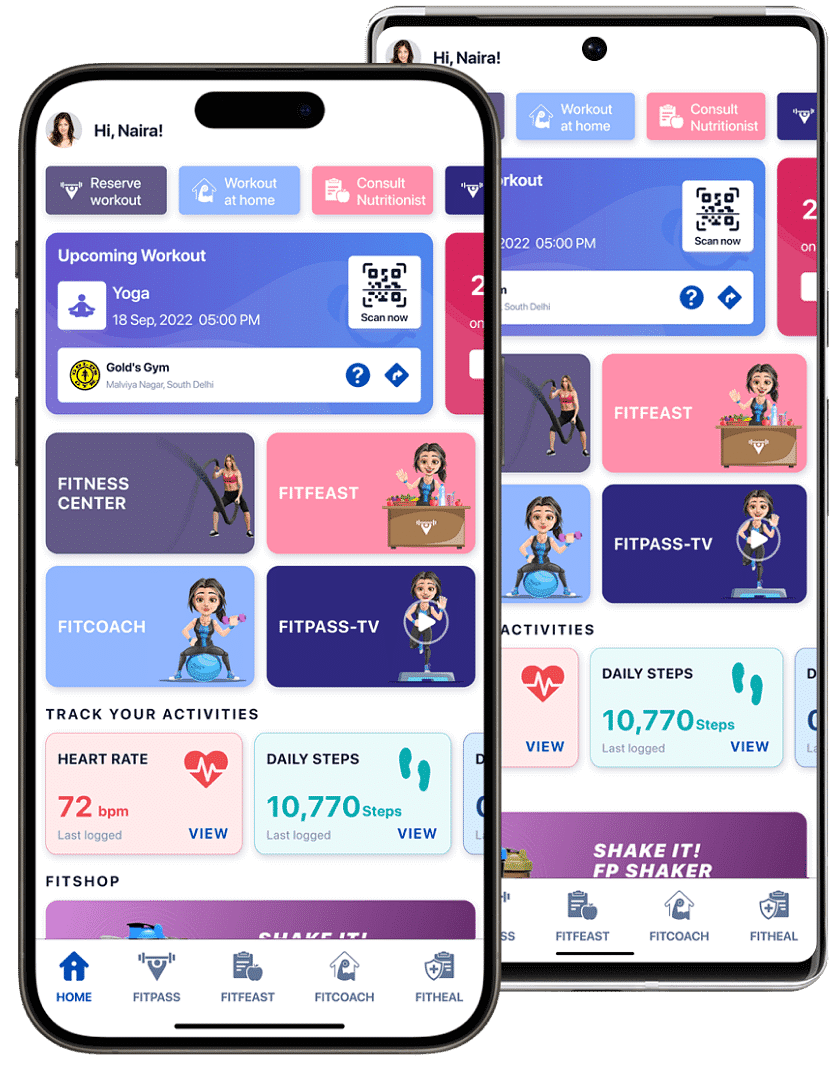
Encouraging exercise through subsidised gym memberships, on-site fitness centres, or partnerships with platforms like FITPASS helps employees build stamina, strength, and resilience. Fit employees are less prone to musculoskeletal injuries and more alert during physically demanding tasks.
Stress, anxiety, and burnout are silent threats to employee health and safety. Introducing counselling services, mindfulness sessions, and mental health days improves concentration, reduces mistakes, and builds stronger decision-making skills.
Investing in ergonomic furniture and training employees on correct posture helps reduce repetitive strain injuries, which are common in desk-based jobs. This is a vital part of workplace injury prevention.
Providing healthier cafeteria choices, nutrition workshops, and hydration awareness campaigns ensures that employees stay energised and less fatigued during work hours.
Regular health check-ups and screenings detect risks early and reduce long-term absences due to illness. This directly supports a safer and healthier workplace.
Each of these elements strengthens the bond between corporate wellness and workplace safety, proving that prevention is far more effective than cure.

Safety culture is more than a policy; it is a mindset shared across the organisation. By integrating corporate health initiatives with safety goals, companies can reinforce the idea that well-being and safety go hand in hand.
For instance, safety training sessions can be combined with wellness education, encouraging employees to view health as part of safety. Regular communication about employee wellbeing strategies, from posters in break rooms to leadership emails, reminds staff that their organisation truly values them.
Leaders play a crucial role here. When managers actively participate in wellness and safety programmes, employees are more likely to follow suit. This creates a ripple effect, strengthening commitment across teams.
While physical injuries are visible, mental health challenges often go unnoticed. Stress, depression, and anxiety can lead to reduced concentration, poor judgment, and increased risk of accidents. This is why integrating mental health in the workplace into wellness programmes is essential.
For example, providing access to Employee Assistance Programmes (EAPs), resilience training, and stress management workshops helps employees handle challenges better. A calm, focused workforce translates to fewer mistakes and safer outcomes.

To understand the real benefits, let’s look at a couple of examples:
- Johnson & Johnson’s Wellness Programme: Their long-standing corporate wellness initiatives saved the company more than $250 million in healthcare costs over a decade, while also reducing workplace injuries.
- UK-based construction firm: After implementing a comprehensive wellness programme (including health checks, exercise classes, and stress management workshops), the company reported a 25% reduction in workplace accidents within two years.
These studies highlight that a commitment to both health and safety brings measurable results.
When I worked with a mid-sized IT company, our team often dealt with long working hours, tight deadlines, and high levels of stress. Initially, safety training was limited to fire drills and ergonomics. But after a few employees reported back pain, eye strain, and burnout, leadership introduced a wellness programme.
They included on-site yoga sessions, healthier cafeteria meals, and counselling services. Within six months, not only did we see fewer medical leaves, but there was also a noticeable drop in errors during late-night shifts. Personally, I felt more energetic, less anxious, and more engaged with my work. The programme didn’t just improve our wellbeing, it made our workplace safer.
This shows how wellness and safety programmes can directly impact everyday performance and reduce risks.

Employers have the power to create an environment where both wellness and safety grow. Here are some actionable strategies:
- Conduct regular surveys to understand employee health and safety needs.
- Design employer wellness programmes that integrate fitness, nutrition, and mental health.
- Offer flexible working hours to reduce burnout and fatigue.
- Provide ongoing training on both safety and wellness topics.
- Partner with wellness platforms like FITPASS to give employees access to varied fitness options.
When employees see that their health and safety are genuinely valued, their loyalty, engagement, and performance naturally improve.
Workplace safety is not limited to helmets, checklists, and compliance. It is about nurturing a culture where employees are physically fit, mentally strong, and emotionally supported. By implementing corporate wellness and workplace wellness initiatives, organisations can strengthen occupational health and safety while improving overall productivity.
Healthy employees are safe employees, and safe employees are the backbone of a thriving business.