Employee retention is one of the biggest challenges modern organisations face. While salaries and benefits play a role, workplace mental health is now recognised as a key factor influencing whether employees choose to stay or leave. The link between mental health and employee retention is undeniable, and companies that prioritise employee wellbeing and mental health are seeing better engagement, lower turnover, and higher productivity.
This blog explores how mental health directly impacts retention, why HR must take it seriously, and the role workplace wellness programs can play in building loyal and motivated teams.
- Mental health and employee retention are strongly connected: employees are more likely to stay in workplaces that prioritise their wellbeing.
- Stress, burnout, and lack of psychological safety are the top drivers of employee turnover.
- Workplace mental health initiatives such as counselling, flexible schedules, and wellness programs can improve retention.
- HR must view mental health support as a retention strategy, not just a compliance measure.
- Organisations using workplace wellness programs like FITPASS have reported improved employee satisfaction and engagement.

The success of any organisation depends on its people. Yet, high turnover rates have become common across industries. Research shows that employees who feel mentally exhausted or unsupported are far more likely to leave, regardless of pay or perks.
A Deloitte UK report found that poor mental health costs employers up to £45 billion annually due to absenteeism, presenteeism, and staff turnover. This highlights how employee well-being and retention are directly linked. If employees feel that their workplace is harming their mental health, they are less inclined to stay.
Mental wellness at work is not just about preventing illness; it’s about creating an environment where employees feel valued, safe, and supported. This sense of belonging is what drives loyalty and reduces turnover.
Stress and burnout are two of the biggest drivers of employee attrition. A study by Gallup found that burned-out employees are 2.6 times more likely to leave their jobs. Prolonged stress not only reduces productivity but also weakens employee engagement and mental health, making workers feel disconnected from their roles.
When mental health challenges are left unaddressed, they often lead to dissatisfaction, absenteeism, and ultimately resignation. Employees who believe their workplace disregards their mental health are less motivated to contribute and more likely to seek better opportunities elsewhere.
This is why proactive emotional well-being initiatives are essential. Reducing burnout does not just improve morale; it directly impacts retention rates.
Creating psychological safety at work is a cornerstone of employee loyalty. Psychological safety means employees feel comfortable sharing their opinions, admitting mistakes, and asking for help without fear of judgment or punishment.
When organisations fail to provide this safety, employees may experience anxiety and disengagement, pushing them closer to resignation. Conversely, a culture of open communication and support builds trust, which is critical for retention.
Google’s Project Aristotle study highlighted psychological safety as the most important factor in building effective teams. When employees feel secure, they collaborate better, innovate more, and stay longer in their roles.

Poor mental health not only leads to stress and employee turnover but also affects productivity. Employees struggling with anxiety, depression, or stress often find it harder to focus and perform at their best.
On the other hand, workplaces that implement mental health programs for retention see measurable benefits. Happier employees work harder, remain loyal, and contribute more consistently. In fact, a World Health Organisation study found that every £1 invested in mental health support yields a return of £4 in improved health and productivity.
Thus, prioritising mental health and productivity is not only compassionate but also financially wise.
HR departments play a crucial role in bridging the gap between mental health and retention. While traditional HR retention strategies focus on pay scales and promotions, today’s employees are looking for more.
HR and mental health must go hand in hand. Introducing policies that encourage mental health support in the workplace, such as flexible working hours, access to counselling, and wellness resources, can significantly reduce turnover.
Forward-thinking HR teams treat mental wellness at work as part of their retention toolkit. This shift in perspective helps companies reduce costs linked to rehiring and retraining, while fostering loyalty among employees.
Workplace wellness programmes have emerged as one of the most effective solutions for boosting employee well-being and retention. These programs often include fitness initiatives, mindfulness sessions, nutrition advice, and access to mental health professionals.
Such initiatives do more than promote healthy habits; they also demonstrate that the organisation genuinely cares about its workforce. Employees who feel valued are more likely to stay committed to their employer.
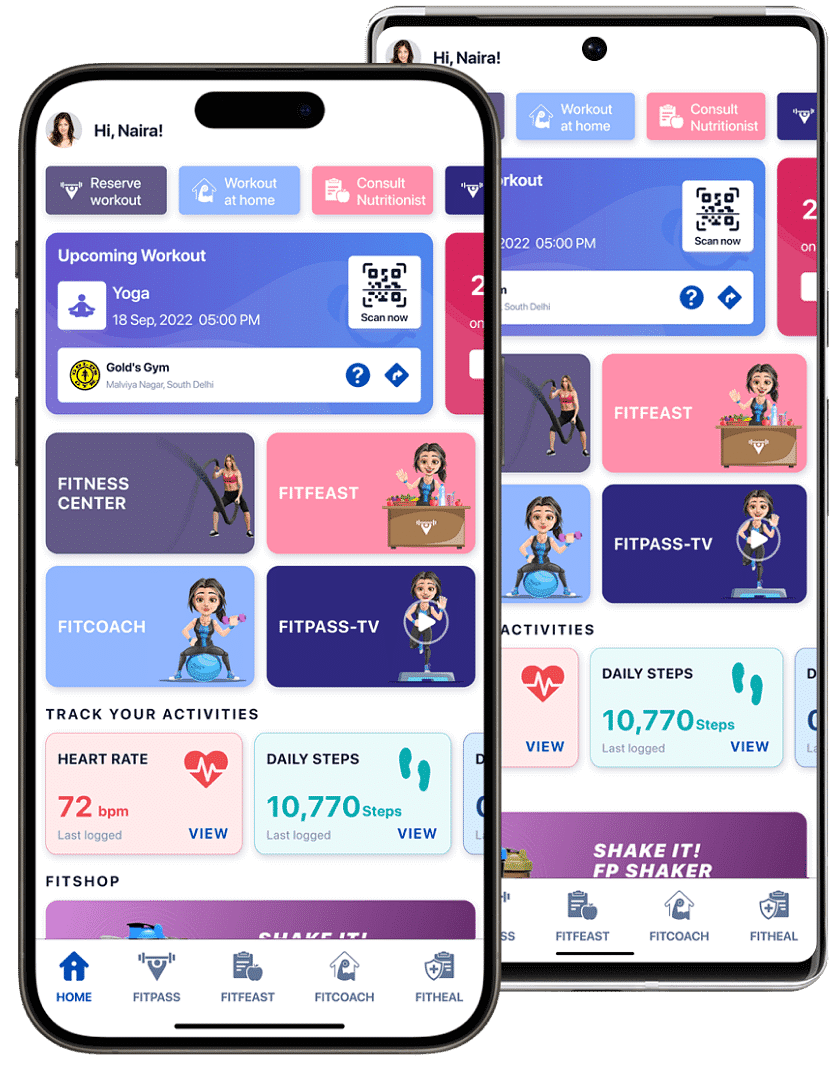
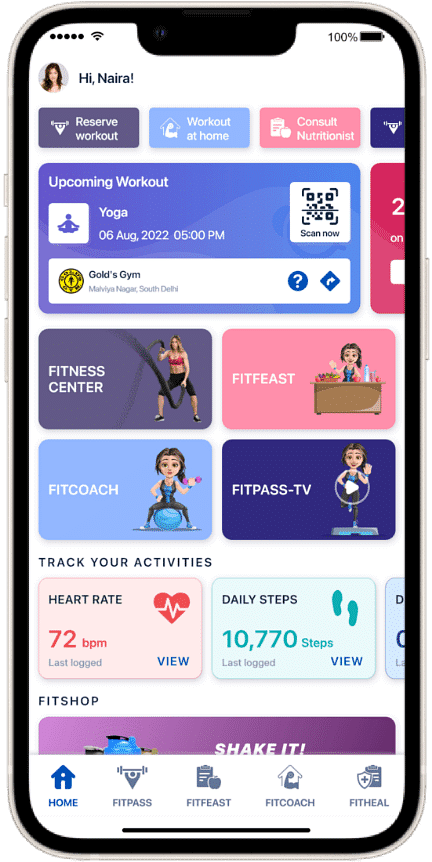
For example, some companies in India and abroad use FITPASS, a platform that offers employees access to multiple gyms, fitness classes, and nutrition consultations. By integrating fitness and wellness into corporate benefits, companies have seen improvements in morale, mental health, and employee retention.

Retention is not just about preventing employees from leaving; it’s about creating conditions that make them want to stay. Companies that invest in mental health support in the workplace can reduce turnover by creating a healthier, happier work environment.
Key initiatives to reduce turnover through wellbeing include:
- Encouraging flexible work arrangements.
- Offering confidential counselling services.
- Promoting physical activity and stress relief.
- Creating opportunities for social connection.
- Building a culture that supports emotional well-being.
When employees see their employers taking active steps to support their mental health, they are far more likely to remain loyal.
A UK-based financial services company introduced a comprehensive workplace wellness program that included resilience workshops, free gym memberships, and access to 24/7 mental health hotlines. Within a year, they saw a 30% reduction in employee turnover and a marked improvement in engagement scores.
This case underlines how mental health and employee retention are inseparable. By investing in wellbeing, organisations can achieve both higher productivity and stronger loyalty.
An employee at a mid-sized tech company shared their experience with workplace mental health:
"I was on the verge of leaving my job due to constant stress and a lack of work-life balance. But when my company introduced mental health days, counselling sessions, and fitness options like FITPASS, everything changed. I felt supported, and that gave me the motivation to stay. Today, I’m more engaged and loyal to my organisation."
This testimonial demonstrates how even minor adjustments to mental health programs for retention can have a substantial impact on employees’ decisions to stay or leave.

The workplace of the future will be shaped by how organisations handle mental health today. Some forward-looking HR retention strategies include:
- Embedding mental health policies in the workplace.
- Offering regular workshops on stress management.
- Training managers to recognise signs of burnout.
- Encouraging open dialogue about mental well-being.
By integrating these practices, companies can foster a culture where employees thrive, leading to not only improved retention but also enhanced innovation and growth.
The connection between mental health and employee retention is stronger than ever. Organisations that ignore mental wellness risk higher turnover, disengagement, and declining productivity. On the other hand, companies that proactively invest in employee well-being and retention see stronger loyalty, reduced attrition, and better long-term performance.
From psychological safety at work to structured workplace wellness programs, every initiative counts. By partnering with platforms like FITPASS, businesses can strengthen their mental health strategies while giving employees access to fitness and wellbeing solutions that truly make a difference.
In the end, supporting mental wellness at work is not just good for employees, it’s essential for sustainable business growth.