Are you bored with your regular fitness routines? Want something fun, effective, and elegant? Say Hello to Barre workouts — a fitness trend inspired by ballet, but made for everyone. Whether you’re new to exercise or a fitness enthusiast looking to try something different, Barre can offer a graceful yet powerful way to transform your body.
In this blog, we’ll dive deep into Barre workout benefits, how it works, and why it's quickly becoming a favourite across the world. Plus, we’ll show you how you can do a Barre workout at home, what equipment you need, and how to get started.
A Barre workout combines elements of ballet, Pilates, yoga, and strength training into a single session. It’s named after the ballet barre—the long horizontal bar used for balance during ballet practice. But don’t worry—you don’t need to be a dancer to do Barre.
Barre focuses on small, controlled movements, isometric holds, and high repetitions to sculpt and tone muscles. It’s low-impact, making it gentle on joints, but don’t let that fool you—it’s still incredibly challenging and effective.
Barre was created in the late 1950s by Lotte Berk, a German dancer who combined her ballet training with rehabilitative therapy after a back injury. Her method gained popularity and evolved over the years into what we now know as the modern Barre fitness routine.
Today, Barre is practiced worldwide and has many variations, all keeping the essence of ballet-inspired movements but mixing in new-age fitness techniques.
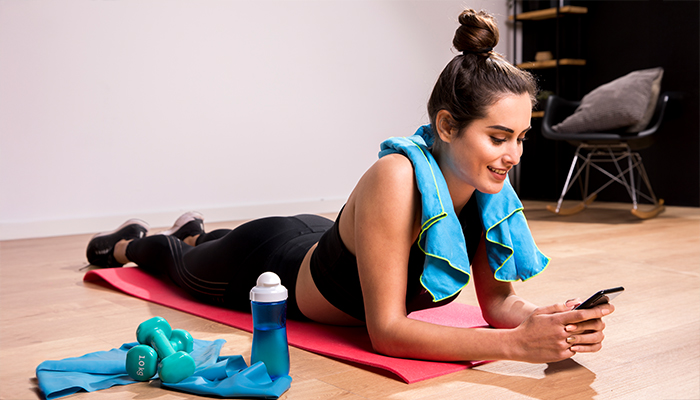
There’s a reason why Barre has caught the attention of celebrities, fitness experts, and everyday gym-goers. Here are some standout Barre workout benefits:
- Improves Posture: The emphasis on alignment and core engagement helps straighten your spine and improve how you carry yourself.
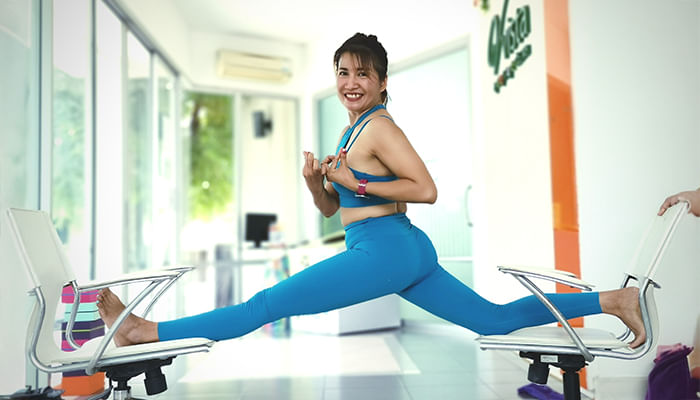
- Enhances Flexibility: Inspired by dance, Barre helps your muscles stretch and lengthen gracefully.
- Tone Muscles: Expect to feel the burn in your legs, arms, and abs with the Barre workout for toning.
- Strengthens the Core: Almost every move in Barre activates your core, helping to build strength and stability.
- Supports Weight Loss: It might look gentle, but a Barre session can help burn calories and shed fat over time.
- Boosts Mind-body Connection: With its rhythmic flow and focus on form, Barre helps you become more aware of your body.
One of the best things about Barre is that it’s perfect for beginners. You don’t need any dance background or advanced fitness levels. Most studios and online platforms offer Barre workouts for beginners, which include simple movements, basic postures, and gradual progressions.
If you're new:
- Start with short 20–30-minute sessions.
- Focus on mastering form and posture.
- Don’t worry if you can’t go deep in stretches or hold poses long. It gets better with time!
A typical Barre class is divided into sections focusing on different parts of the body—arms, legs, glutes, and core.
- Some popular Barre exercises include:
- Plie squats – great for thighs and glutes
- Leg lifts – for hips and core
- Arm circles – to tone the shoulders
- Core crunches – to build abdominal strength
- Stretching – to improve flexibility
All movements are done in high reps with light weights or no weights at all. Think small but mighty!
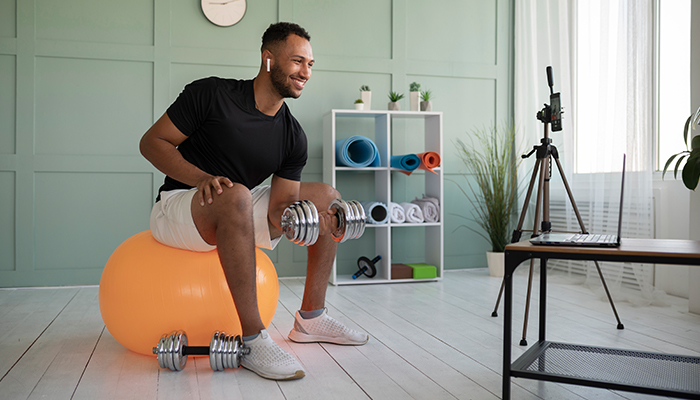
One reason people love Barre is that it needs minimal equipment. You can do most exercises with things you already have at home.
Here’s what you might use:
- A sturdy chair or counter (as your barre).
- A yoga mat (for floor work and stretching).
- Light dumbbells (1-3 kg) for arms.
- Resistance bands (optional, for added intensity).
- A soft ball or cushion (used between the legs for some thigh-toning moves).
Can’t make it to a studio? No worries. Barre is one of the easiest workouts to do from the comfort of your living room.
There are many online tutorials, apps, and live classes designed for a Barre workout at home. All you need is a bit of space, a chair for balance, and the willingness to try something new.
To stay motivated:
- Set a regular schedule (e.g., 3 times a week).
- Track your Barre workout results.
- Wear comfortable clothes that allow you to move freely.
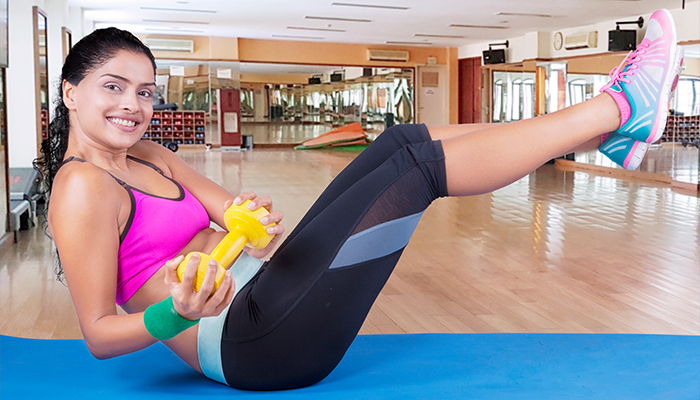
Yes, Barre can be a great addition to your weight loss journey. It may not be as calorie-burning as HIIT or running, but it helps in other powerful ways:
- Builds lean muscle, which boosts metabolism.
- Improves body composition by reducing fat and increasing tone.
- Keeps your body moving consistently, which is key to weight loss.
Pair Barre with a balanced diet and active lifestyle, and you’ll see a transformation over time.
Many people turn to Barre to improve flexibility and fix poor posture, especially those who sit all day.
The ballet-based movements naturally stretch and lengthen your muscles. The focus on alignment, lifting through the spine, and tucking the pelvis helps create a tall, proud posture—just like a dancer.
Unlike traditional ab exercises, Barre works the core in almost every move—whether you're balancing on one leg or holding a plank.
Barre targets deep abdominal muscles and the lower back, helping you build a strong and stable centre. This is especially beneficial for daily movements and for reducing the risk of injury.
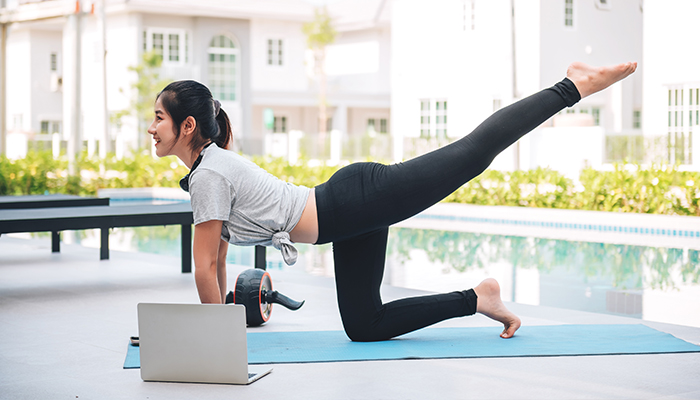
Barre is low-impact and safe for most people, but it’s important to listen to your body. Here are some Barre workout safety tips:
- Warm up properly to prepare your muscles.
- Modify moves if you have joint issues or pain.
- Don’t lock your knees or hyperextend joints.
- Use support when balancing.
- Stay hydrated and take breaks when needed.
Barre is a wonderful option for pregnant women and seniors, thanks to its low-impact nature and emphasis on posture and stability.
For pregnancy:
- Focus on gentle stretching and pelvic floor engagement.
- Avoid lying on your back for long after the first trimester.
For seniors:
- Use a sturdy support for balance.
- Keep movements slow and controlled.
- Focus on improving mobility and coordination.
- Always check with a healthcare professional before starting a new fitness routine.
Barre and Pilates share many similarities, but they also have key differences:
| Feature |
Barre |
Pilates |
| Origin |
Ballet-inspired |
Rehab-focused (Joseph Pilates) |
| Focus |
Isometric holds, pulses |
Controlled, flowing movements |
| Equipment |
Minimal (barre, light weights) |
May use reformer or mat |
| Main Benefits |
Toning, posture, flexibility |
Core strength, rehab, alignment |
Many people combine the two for a well-rounded routine!
If you’re wondering how often to do Barre, the answer depends on your goals. But generally, 3–5 sessions a week is ideal for seeing Barre workout results like better posture, toned muscles, and increased strength.
Don’t forget to include rest days to let your body recover and prevent fatigue.
Let’s bust a few Barre workout myths:
- “You need to be a dancer” – Not true! Barre is for everyone.
- “Barre is too easy” – Try holding a plié for 60 seconds and get back to us!
- “It doesn’t burn calories” – You’ll feel the burn, and your metabolism will thank you.
- “Barre doesn’t build strength” – It builds lean muscle and endurance in a very effective way.

Still on the fence? Let these inspire you:
- A 45-year-old beginner who gained strength and confidence.
- A new mum who used Barre to regain core strength after pregnancy.
- Seniors who improved mobility and balance with regular sessions.
- Office workers who fixed their posture and reduced back pain.
Whatever your story is, there’s a place for you at the barre.
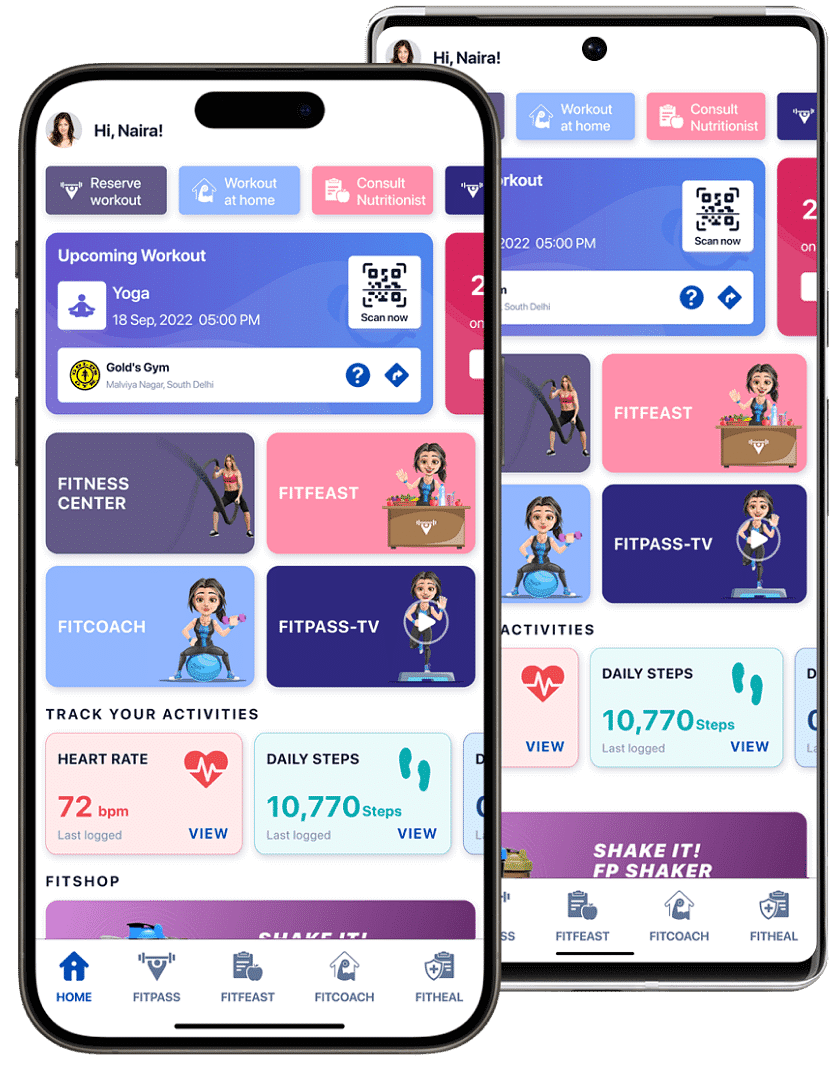
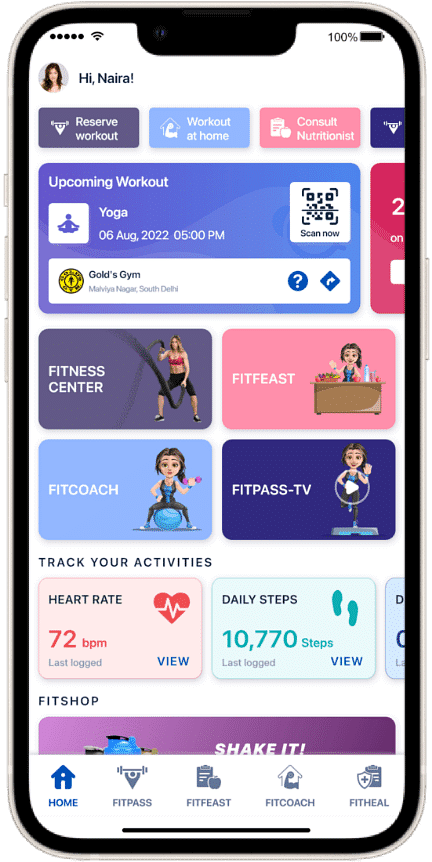
At FITPASS, we believe fitness should be fun, accessible, and full of variety—and Barre fits right in. With one membership, you can try thousands of workouts, including Barre classes at top studios near you or right at home via FITPASS TV.
Ready to feel like a dancer while getting stronger, leaner, and more flexible? Grab your mat, stand tall, and give your workout that artistic twist with Barre fitness—only with FITPASS.
Let Barre bring grace, strength, and joy into your life. Whether you’re looking to tone, stretch, or simply move with elegance, the Barre workout could be just what you need.
Join FITPASS today and take your first step towards a more artistic and effective fitness journey.