Table of Contents
Living with arthritis can feel like a constant balancing act between pain and movement, fatigue and energy, stiffness and flexibility. As someone who works closely with individuals managing this condition, I’ve seen firsthand how arthritis impacts not just the joints but daily routines, moods, and even relationships. The good news? Your plate can be a powerful ally in this journey.
A well-balanced arthritis diet can reduce inflammation, improve mobility, and protect joint tissues over time. While medication and therapy remain essential, incorporating the best foods for arthritis can make a visible difference in how your body feels each day.
- The right foods can reduce joint inflammation, stiffness, and pain.
- Omega-3-rich foods, antioxidants, and vitamin D are crucial for joint health.
- Avoid processed foods, sugars, and saturated fats that worsen inflammation.
- A consistent, nutrient-rich diet plan can complement medical treatment for arthritis.
- FITFEAST can help you plan personalised, arthritis-friendly meals guided by expert nutritionists.

Arthritis is more than just “joint pain.” It’s a chronic condition that affects cartilage, connective tissues, and bones, often leading to swelling, stiffness, and discomfort. There are over 100 types, but osteoarthritis and rheumatoid arthritis are the most common.
Research published in the Journal of Nutrition (2022) found that a diet high in anti-inflammatory foods, including fish, nuts, fruits, and vegetables, was linked with lower levels of inflammatory markers such as C-reactive protein (CRP). Another study from Arthritis Research & Therapy highlighted that omega-3 fatty acids and antioxidants can protect against cartilage breakdown.
These findings reinforce one simple truth: what you eat can either fuel inflammation or fight it.
Salmon, mackerel, sardines, and tuna are packed with omega-3 fatty acids, known for their anti-inflammatory properties. Omega-3 helps reduce the production of inflammatory compounds and stiffness in joints, especially in rheumatoid arthritis patients.
Tip: Aim for two servings of fatty fish weekly. If you’re a vegetarian, opt for chia seeds, flaxseeds, or walnuts, all rich in plant-based omega-3s for arthritis.
Olive oil is rich in oleocanthal, a compound that works similarly to anti-inflammatory drugs by reducing enzymes that cause pain and swelling. Regular consumption supports heart health and joint flexibility, making it a key part of any healthy diet for arthritis patients.
Use it for: Salad dressings, sautéing vegetables, or as a drizzle over soups.

Strawberries, blueberries, and raspberries are rich in antioxidants like anthocyanins and rutin and quercetin, which reduce inflammation and oxidative stress. A study in the Journal of Agricultural and Food Chemistry found that daily berry consumption may improve joint function and lower inflammation markers.
Why it helps: Berries’ high vitamin C content supports collagen production, which is essential for cartilage repair.
Broccoli, along with kale, Brussels sprouts, and cauliflower, contains sulforaphane, a compound known to slow cartilage damage in osteoarthritis. These cruciferous vegetables for arthritis also provide vitamin K and calcium to strengthen bones.
Nutrition tip: Steam or lightly sauté them to retain their anti-inflammatory compounds.
Spinach is rich in kaempferol, a plant compound that has shown potential in reducing inflammation and slowing down arthritis progression. Its high vitamin E, magnesium, and folate content further support overall joint and immune health.
Try this: Add spinach to smoothies, soups, or omelettes for an easy nutrition boost.
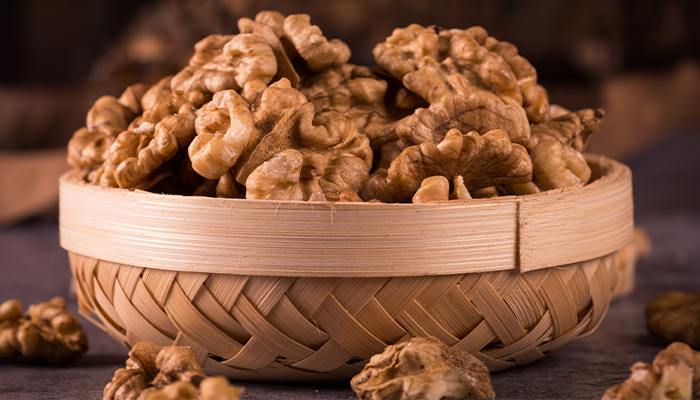
Walnuts for arthritis are one of the best snacks to include in your daily routine. They’re high in omega-3 fatty acids and polyphenols, both of which help reduce inflammatory markers in the body.
Why it matters: Regular nut consumption has been linked to lower CRP levels and improved joint flexibility.
Grapes are rich in resveratrol, a compound with powerful anti-inflammatory and antioxidant properties. The proanthocyanidins in grapes can also help reduce pain and swelling associated with arthritis.
Fun fact: Purple and red grapes offer more benefits than green ones, thanks to their higher resveratrol content.
Green tea is rich in EGCG (epigallocatechin gallate), a polyphenol that reduces inflammation and cartilage damage in arthritis. It’s particularly beneficial for those with rheumatoid arthritis, supporting immune balance and joint protection.
Drink it: Warm and unsweetened, once or twice a day, for the best results.
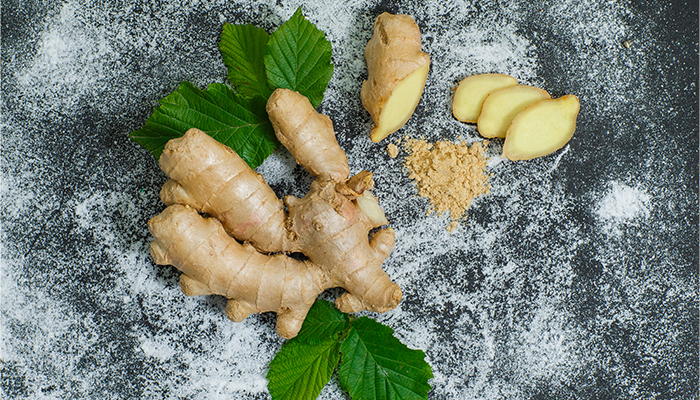
Ginger contains gingerol, a compound that reduces joint pain and improves flexibility, especially in osteoarthritis. Similarly, garlic offers anti-inflammatory benefits by suppressing cytokines, compounds that trigger inflammation.
Incorporate them: Into soups, stir-fries, or teas. Regular use can enhance flavour and joint health simultaneously.
Whole grains like oats, brown rice, and quinoa can lower CRP levels in the blood. Legumes, such as lentils and beans, are rich in fibre, protein, and minerals that support weight management, crucial for reducing pressure on the joints.
Together, they stabilise blood sugar, promote gut health, and reduce systemic inflammation.

People with arthritis often have low levels of vitamin D, which affects calcium absorption and bone strength. Include fortified dairy, eggs, and sunlight exposure in your arthritis meal plan to support bone and joint health.
To truly benefit from an anti-inflammatory diet plan, it’s equally important to know what to limit.
Avoid:
- Sugar and refined carbs (increase inflammation).
- Saturated fats and fried foods may worsen joint pain.
- Processed snacks and fizzy drinks (trigger oxidative stress).
Tanvi, a senior nutritionist at FITPASS, shares:
“When I work with clients struggling with arthritis, I remind them that small, sustainable dietary choices make the biggest impact. At FITFEAST, we often create meal plans that combine the right balance of omega-3s, antioxidants, and vitamins to support long-term joint health. The goal isn’t just pain reduction, it’s improving mobility, energy, and confidence.”
She adds,
“An arthritis-friendly diet should feel empowering, not restrictive. Think colourful plates filled with whole foods that nourish both your body and mind.”
If you’re looking for professional guidance, FITFEAST can help you create a personalised arthritis-friendly meal plan tailored to your needs.
As a nutrition professional, I once worked with a client, Meera, a 52-year-old woman living with rheumatoid arthritis. When she started, she struggled with morning stiffness and found daily walks painful. Together, we adjusted her diet, introducing fatty fish, spinach, olive oil, and green tea while reducing processed foods.
Within three months, her inflammation markers improved, and she could walk longer without pain. Her story reminds me daily: food may not cure arthritis, but it can transform how you live with it.
Your diet can be a powerful, natural way to manage arthritis. By filling your plate with anti-inflammatory foods for arthritis, like fatty fish, olive oil, berries, and leafy greens, and avoiding inflammation-triggering ingredients, you can reduce joint pain and support long-term mobility.
Food is more than just nourishment; it’s therapy. With the right knowledge, a balanced plan, and expert support from FITFEAST, you can make every meal a step towards stronger, healthier joints.