Ageing brings wisdom, experience, and perspective, but it also brings changes inside the body that we cannot ignore. One of the most significant yet often overlooked changes is the gradual loss of muscle mass and strength. This is exactly why protein intake becomes more important with every passing year.
While younger bodies can bounce back quickly from missed meals or poor nutrition, older adults need more intentional nourishment. Understanding your daily protein requirement, how protein supports muscle and bone health, and how to meet your protein intake per day can make a real difference in how strong, mobile, and independent you remain as you age.
Key Takeaways
- Protein needs increase with age due to muscle loss and reduced absorption
- Adequate protein intake helps prevent sarcopenia and supports mobility
- Protein plays a vital role in bone health, not just muscle strength
- Seniors should spread protein intake evenly across meals
- Choosing high-quality, easy-to-digest protein sources improves results
Understanding Muscle Loss with Age

As we age, our bodies naturally lose muscle mass, a condition known as sarcopenia. This process often begins as early as the age of 30 and accelerates after 60. Without proper nutrition and activity, adults can lose up to 3–8% of muscle mass per decade.
This muscle loss affects more than appearance. It reduces balance, slows walking speed, increases the risk of falls, and makes daily activities harder. At this stage of life, simply eating “normally” is often not enough. The body needs more support, and that support starts with protein.
What Is Sarcopenia and Why Does It Matter?
Sarcopenia refers to age-related muscle degeneration that leads to weakness and reduced physical function. It is one of the leading causes of frailty in older adults.
Sarcopenia prevention is possible, but it requires two things: resistance-based movement and adequate protein intake. Protein provides the amino acids needed to repair and rebuild muscle tissue. Without enough protein, even regular activity cannot fully protect muscle strength.
This makes protein not just important, but essential, for healthy ageing.
Why Protein Intake Needs Increase with Age
Many people assume protein needs decrease as activity levels drop. In reality, the opposite is true. Older adults require more protein because:
- Muscle protein synthesis becomes less efficient
- Digestion and absorption of protein slow down
- Inflammation and illness increase protein breakdown
- Appetite often declines, leading to lower intake
Because of these factors, seniors must be more mindful about their protein intake per day to maintain muscle and bone health.
Daily Protein Requirement for Older Adults

So, how much protein do seniors actually need?
While the general recommendation for adults is 0.8 grams per kilogram of body weight, research suggests that older adults benefit from 1.0–1.2 grams per kilogram, and even more if they are physically active or recovering from illness.
How much protein for a 65-year-old man or woman?
- A 65-year-old man weighing 70 kg may need 70–84 g of protein daily
- A 65-year-old woman weighing 60 kg may need 60–72 g daily
These numbers can increase further for seniors engaging in regular strength training.
Protein Absorption in Older Adults
Another critical factor is protein absorption in older adults. With age, stomach acid levels may reduce, digestive enzymes become less effective, and gut health changes. This means that even when seniors eat enough protein, their bodies may not absorb it efficiently.
To overcome this, older adults should focus on:
- High-quality protein sources
- Easily digestible foods
- Spreading protein intake evenly across meals
This approach helps maximise muscle protein synthesis throughout the day.
The Role of Protein in Sarcopenia Prevention
Protein acts as the building block of muscle tissue. Consuming adequate protein stimulates muscle repair, preserves lean body mass, and supports strength.
Studies show that combining protein intake with resistance exercise significantly improves sarcopenia prevention. Even simple movements like body-weight exercises or light resistance training can enhance protein utilisation in older muscles.
This makes protein not a passive nutrient but an active contributor to healthy ageing.
Protein and Bone Health: The Overlooked Connection
Protein is often associated only with muscle, but it also plays a vital role in bone health. Bones are made of collagen, a protein-based structure that gives them flexibility and strength.
Adequate protein intake helps:
- Improve calcium absorption
- Maintain bone density
- Reduce fracture risk
Low protein intake, especially in seniors, has been linked to weaker bones and slower recovery after fractures.
Why Seniors Need Protein Beyond Muscle
Protein supports much more than strength. It plays a role in:
- Immune function
- Hormone production
- Wound healing
- Maintaining healthy skin and hair
This explains why seniors need protein even if they are not focused on fitness goals. Protein supports everyday health and resilience.
High-Protein Foods for Elderly Adults
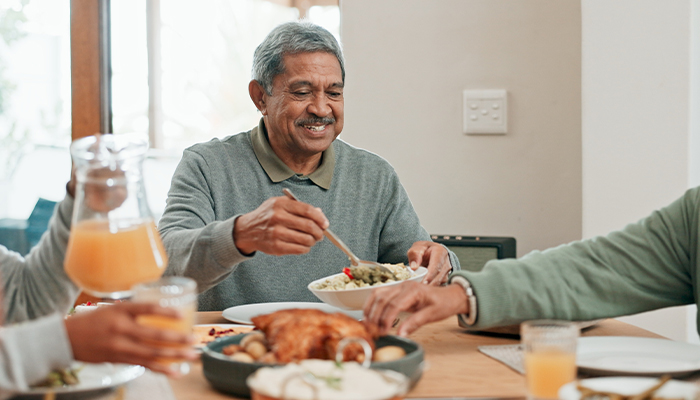
Choosing the right foods makes it easier to meet protein needs without overeating.
Animal-based protein sources:
- Eggs
- Greek yoghurt
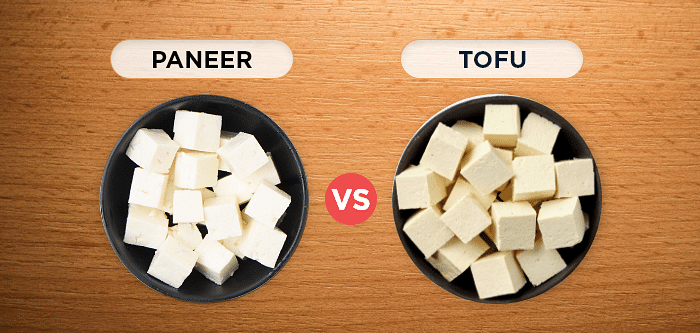
- Paneer and cheese
- Fish and lean chicken
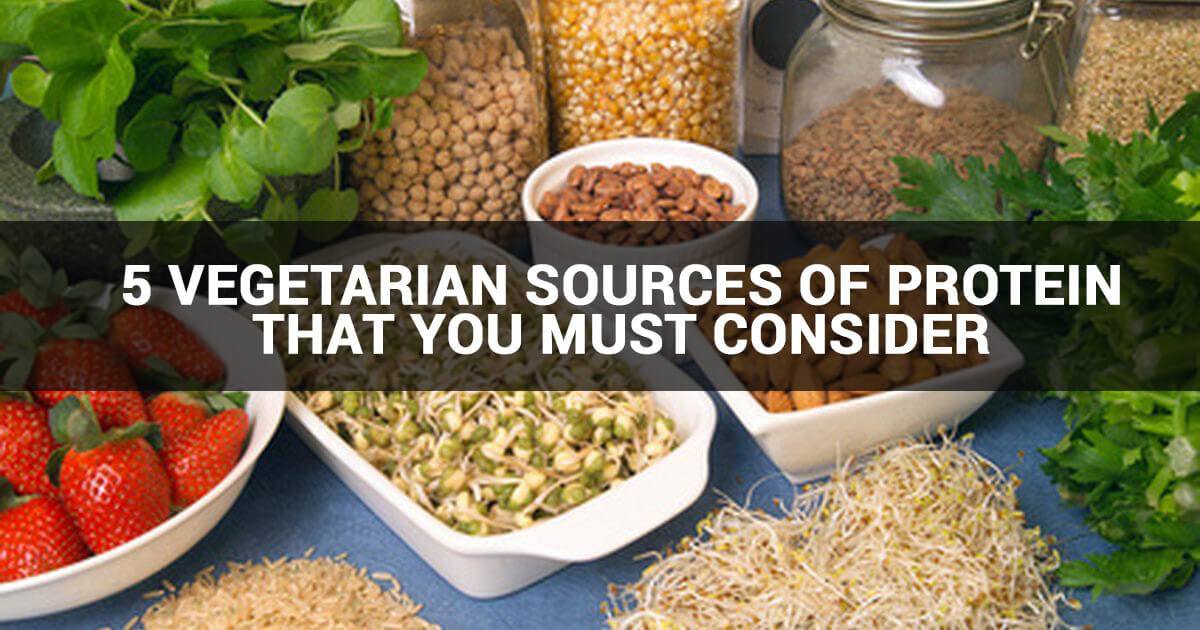
Plant-based protein sources:
- Lentils and dals
- Chickpeas and beans
- Tofu and soy products
- Nuts and seeds
Soft textures and well-cooked foods improve digestion and absorption for older adults.
How to Distribute Protein Intake Per Day
Instead of consuming most protein in one meal, seniors should spread intake across the day.
For example:
- Breakfast: Eggs or yoghurt
- Lunch: Dal, paneer, or fish
- Dinner: Lean protein with vegetables
This steady intake supports continuous muscle repair and reduces muscle breakdown.
Common Protein Intake Mistakes Among Seniors
Despite best intentions, many older adults fall short due to:
- Skipping meals
- Relying too heavily on carbohydrates
- Fear of kidney damage (without a medical reason)
- Lack of awareness about protein needs
In most healthy seniors, higher protein intake is safe and beneficial when combined with adequate hydration.
Protein Intake and Quality of Life

Meeting your daily protein requirement does not mean following extreme diets. It means making thoughtful choices that support independence, confidence, and strength.
When seniors meet their protein needs, they often experience:
- Better balance
- Improved stamina
- Reduced risk of falls
- Greater confidence in daily activities
Protein supports ageing with dignity and vitality.
Conclusion: Protein as a Pillar of Healthy Ageing
Ageing is inevitable, but rapid muscle loss and weakness do not have to be. By prioritising protein intake, older adults can protect their muscles, support bone health, and maintain independence.
Understanding why protein intake matters more as you age empowers better food choices and long-term health. With the right protein sources, balanced meals, and consistent habits, healthy ageing becomes not just possible, but achievable.