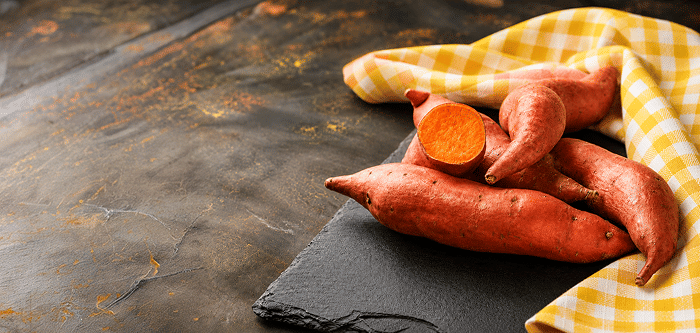
The tangy and spicy shakarkandi chaat is a winter favourite.
It is just one of those things that Indian families have relished as a snack for aeons. But did you know that adding purple and orange sweet potato to your diet promotes collagen synthesis and UV protection from harmful rays? Hang in there as the blog unfolds how this tuber became popular as a famine food and now serves as one of the best post-workout snacks.
Today, nutritionists recommend eating sweet potatoes in summer as well for UV protection and skin health benefits. Keep reading to know why it belongs in your diet as an occasional snack even during the summer days.
Shakarkandi Chaat
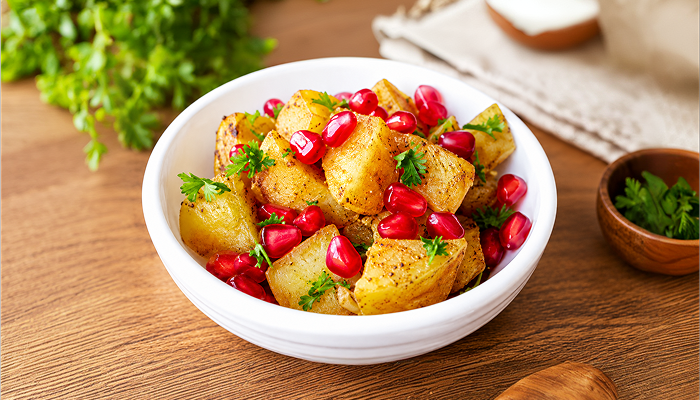
“Shakarkandi ki chaat” traces its roots to North Indian street food culture, particularly in Delhi. You might have come across many Delhi-style sweet potato chaat recipes on the internet for a reason. The crop has been around since the 16th century but became popular as a winter favourite from 1940 to 1969.
Shakarkandi chaat is highly nutritious for the body.
Beta-carotene, a compound in shakarkandi, offers UV protection.
That gives you all the more reason to have this tangy, spicy and sweet chaat while also taking care of your skin. Still, a lot of people do not know how adding the right foods to their summer diet impacts health and fitness. Let's take a detour to see how history and those who came before us used sweet potatoes.
Sweet Potato Nutrition Value
Check out the nutritional value of 100 g of cooked sweet potatoes you receive per plate.
|
Nutrients
|
Amount
|
|
Calories
|
90 kcal
|
|
Carbohydrates
|
20.7 g
|
|
Sugars
|
8.4 g
|
|
Fiber
|
3.3 g
|
|
Protein
|
2.0 g
|
|
Fat
|
0.15 g
|
|
Potassium
|
475 mg
|
|
Calcium
|
38 mg
|
|
Magnesium
|
27 mg
|
|
Vitamin A
|
961 mcg
|
|
Vitamin C
|
19.6–20 mg
|
|
Cholesterol
|
0 mg
|
Sweet Potatoes: The Vitamin A-Packed Crop
Back in World War II, sweet potatoes played a big role.
- They were vital emergency food.
- They were easy to grow even in backyards.
- They helped overcome the food shortages.
Thus, they became a survival crop due to severe food shortages worldwide.
Countries like Japan, the United States, and Britain promoted sweet potatoes in their government advertisements and pamphlets. Why so? The nutritional value table above says a great deal. But the main reason for sweet potatoes being a vital war crop and famine crop is their vitamin A content and just how easily they grow.
100 g of boiled sweet potato offers 961 mcg of vitamin A.
That is more than 400% of an adult’s daily vitamin A needs.
All in all, these tubers proved to be a cheap and hardy survival crop packed with nutrients.
Sweet Potato as a War Crop
- Japanese magazine, Fujin Notomo (The Woman's Friend), published a series of wartime recipes in 1942 promoting sweet potatoes and pumpkins.
- Cookbooks like the US Navy's 1944 edition featured dehydrated sweet potato recipes to help the troops during food shortages.
- In Britain, imported wheat became expensive and scarce. The British Ministry of Food heavily campaigned to get people to grow and consume more root vegetables. "Potato Pete" was the face of those ad campaigns.
Sweet Potato as a Famine Crop
During WWII, the wartime administration under British rule resulted in a famine so massive that 3 million people are estimated to have lost their lives in the Bengal famine of 1943 in India. Staple foods like wheat and rice became out of reach for many labourers. The British government heavily relied on sweet potatoes during the famine. Today, sweet potatoes are also known as a popular fasting food, often consumed in Navratri.
Beta Carotene in Sweet Potato for UV Protection
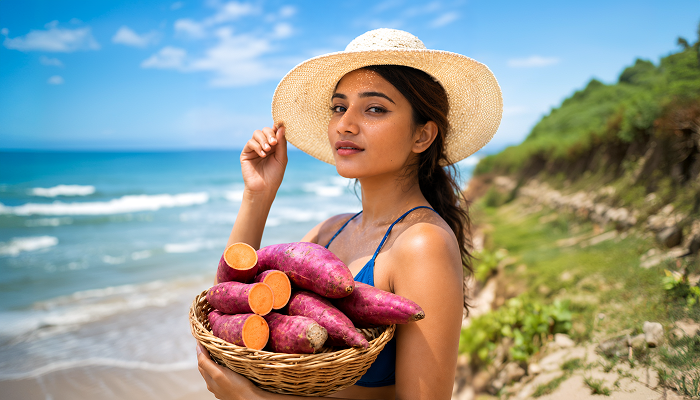
Beta-carotene-rich foods such as sweet potatoes are also packed with dietary fibre. Did you know that different sweet potatoes offer different benefits to the body? For instance, the orange sweet potato offers the highest amount of beta-carotene. The body breaks it down into vitamin A (retinol) through an enzymatic process in the small intestine.
As beta-carotene is a fat-soluble provitamin, the body emulsifies it to absorb the molecule. That is how it ultimately neutralises sun-induced free radicals and absorbs ultraviolet radiation. Here are some of the different types of sweet potatoes:
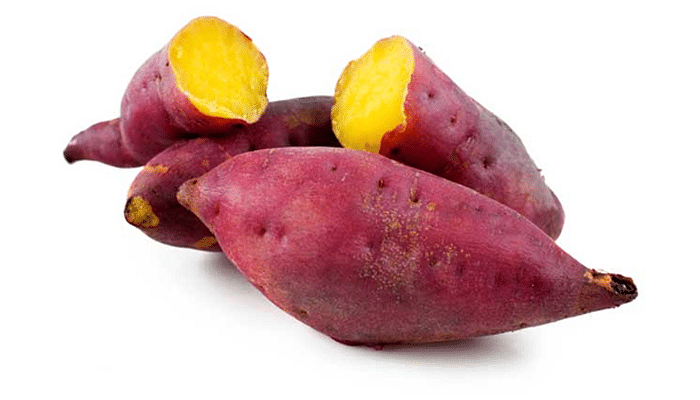
- Orange Sweet Potato: High beta-carotene compounds
- Purple Sweet Potato: Anthocyanins and Vitamin A
- White Sweet Potato: Dietary carotenoids and Vitamin C
- Yellow Sweet Potato: Beta-carotene and Vitamin A
Check out this good read on healthy ways to eat sweet potatoes.
|
Note: Eating sweet potatoes does not replace using your topical sunscreen. The beta-carotene and anthocyanins in sweet potatoes are helpful compounds facilitating skin rejuvenation with natural collagen synthesis.
|
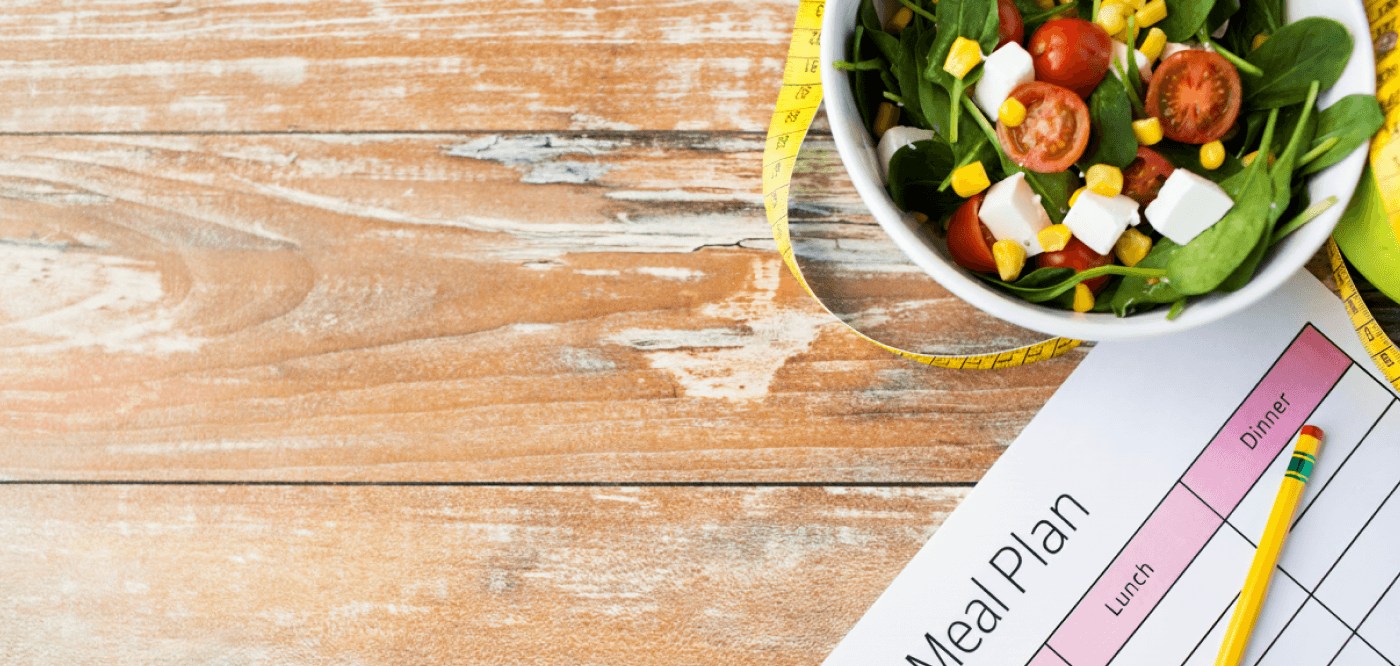
Why Are Dietitians Adding Sweet Potatoes to Summer Meal Plans?
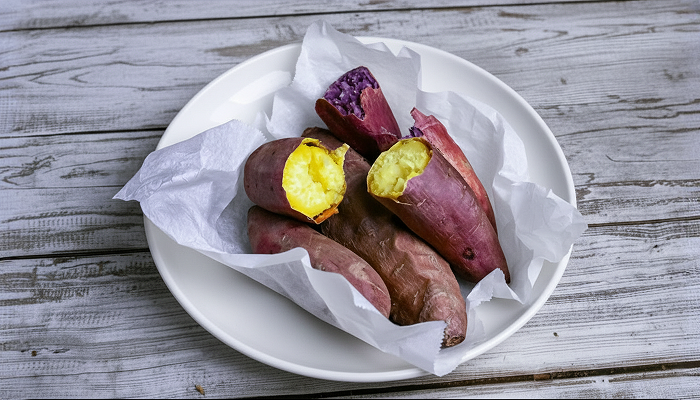
Eating sweet potatoes in summer is a good way to maintain electrolytes. Here are some of the top reasons why dietitians say that sweet potatoes are great additions to your diet in summer.
Water Content: Sweet potatoes keep you hydrated with 80% water content. That means having a healthy gut with sufficient fibre and water. Less bloat, more chill.
Beta-Carotene UV Shield: Sweet potatoes are loaded with beta-carotene, as the blog discussed. They act like a natural UV shield for sun‑stressed skin and help with natural collagen synthesis.
Potassium and Magnesium: Sweet potatoes are packed with potassium, magnesium, and vitamin C. They help muscle recovery, electrolyte balance, and immune flexing.
Vitamin C for Immunity: The vitamin C in sweet potatoes helps to neutralise UV-induced sun radicals and reduces sun spots that cause photoaging and can also cause sun cancer in some cases.
More benefits of eating sweet potatoes:
- anti-inflammatory properties
- blood sugar regulation
- excellent for eye health
- supports digestion
- supports brain function
- strengthens immune system
- helps manage anxiety and stress
The Key Takeaway
Sweet potato chaat brings childhood memories not just for you but also for your mum and your grandmom. The best nutritionists often recommend eating sweet potatoes even in summer for their electrolyte balance, skin rejuvenation, and sun protection. If you ask us, 961 mcg of vitamin A is pretty bonkers!
Tell us if you knew the story of how the world fell in love with shakarkandi and why it belongs on your plate after a workout.
Take charge of your fitness with the best dietitians bringing you personalised diet plans crafted to support your fitness progression.