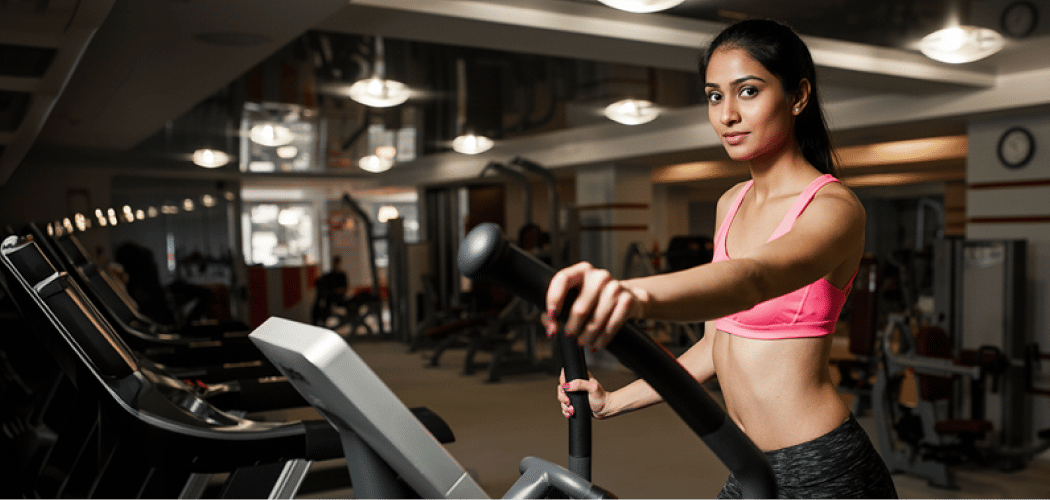
Active aging prioritizes setting fitness goals as per your age.
Do you remember when you thrived on standard burgers and fizzy cold drinks? It was almost like they don’t wreck metabolism. That is because your diet and the goals for fitness in your 20s affect the body differently. As the candles on the birthday cake multiply, you might notice your body asking (or sometimes screaming) for a different approach. Fast food combos contain high levels of saturated fat, sugar, sodium, and refined calories. Consuming that in your 20s does not affect your body the same way it would in your 40s.
At FITPASS, we believe that lifting is a lifelong journey. You could be someone aiming for fitness in your 20s by setting up your compact home gym. Or you could be the iron-lifter kind of person boosting fitness in your 30s, 40s, and beyond. Understanding how your body evolves is the secret to longevity.
This is about training smarter, okay? Not slowing down.
Let’s dive into the decades and explore how active aging and the right fitness level test by age can keep you lifting heavy and living happy.
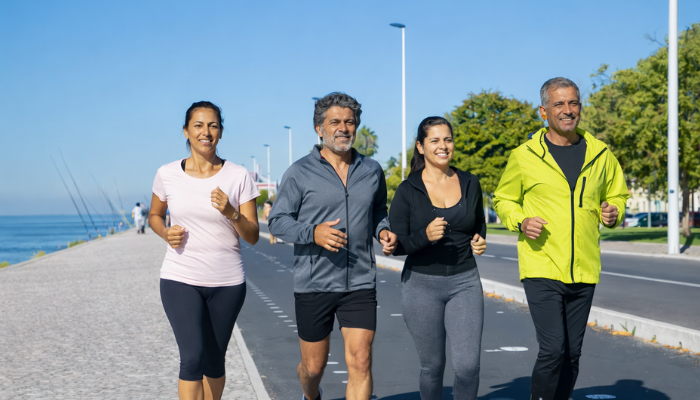
A Peak at the 4 Pillars of Active Aging
Active aging is the process of optimizing opportunities for health and strength as people age. It’s healthy and graceful aging, which is the FITPASS philosophy. We always say that you don't stop lifting because you get old; you get old because you stop lifting.
Here are the four pillars to active aging quoted by the World Health Organization.
- Health
- Lifelong Learning
- Participation
- Security
Optimizing your fitness goals every decade to align for active aging is one of the best ways to age gracefully. In order to do this, include mobility workouts in different forms at every phase. Aerobic physical activities like brisk walking, cycling, and swimming are great for enhancing mobility at all ages.
You can also add mobility workouts like neck rotations, shoulder rolls, hip openers, calf stretches, hamstring stretches, and weight training. Let’s go over the different levels of fitness in your 20s, 30s, 40s, and beyond.
Fitness in Your 20s: The Foundation

Fitness in your 20s often feels like invincibility. You can crush it at the squat rack with just 4 hours of sleep beforehand. The glory days. This is the age where testosterone and growth hormones are peaking. We lift with pride. We go for marathons, and the recovery time is just days. That’s practically nonexistent. It’s because our body is working optimally during this decade. So speedy recovery and good metabolism are natural.
However, this is the time to build your fitness foundation.
One fitness mistake is common among people, and that is skipping mobility workouts for full-body. Fitness in your 20s shouldn't just be about maxing up on the weights. Just because you can. It’s rather about establishing good workout habits for your personal fitness goals. Skipping mobility work now? Your 40-year-old knees will have to cash those checks later.
Here are some of the things to prioritize when planning fitness in your 20s.
The Goals for Fitness in Your 20s
- Max Strength: Focus on compound movements like squats, deadlifts, and bench presses along with flexibility workouts.
- Muscle Hypertrophy: Your body is primed to build muscle in your 20s. Hypertrophy is the growth of muscles.
- Right Technique: Perfect your form. The weightlifting injuries are dangerous, and a lot of it happens when you go heavy. You can get injured once you go heavy.
You know the saying, “The pain of discipline is far less than the pain of regret.”
While you might not think about active aging yet, this is exactly when active aging begins. By establishing a high baseline now, you can mitigate muscle loss with age later. To see where you stand, you should take a preliminary fitness level test by age to set your personal benchmarks.
The Thriving 30s: Efficiency and Maintenance
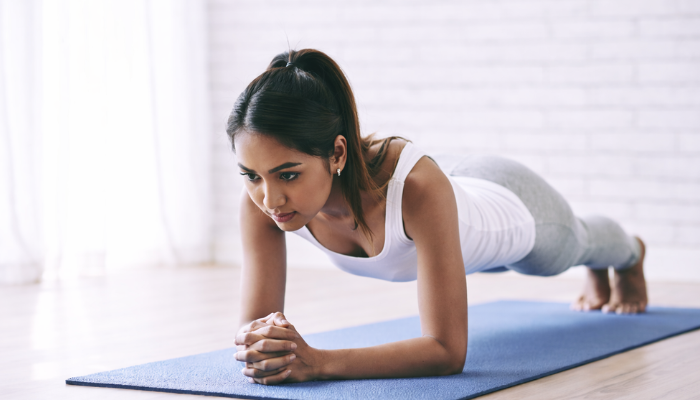
Fitness in your 30s requires a shift in workout intensity and volume. You might have a more demanding career and a family. Or just a Netflix queue that won't watch itself. Fitness in your 30s is literally a battle against time. You have less free time on your hands. Your metabolism starts to tap the brakes. You can still lift heavy, but you might not recover from a 2-hour session.
At least not as quickly as you used to in your 20s.
Let’s go over the shifts in training, shall we?
The Goals for Fitness in your 30s
Time-Under-Tension: Focus on quality of the reps you do than the sheer quantity. Because hey, we are aiming for longevity when it comes to the bigger picture.
HIIT Workouts: These workouts are great for burning fat in short bursts of intervals. Besides, they are the most efficient ways to lose fat and build muscle.
Mobility Workouts: It’s no longer optional to prioritize mobility. It’s a requirement after you hit your 30s.
Active aging has become a conscious choice in this day and age. You might notice stiffness in the mornings. This is why incorporating injury prevention workouts is vital. We have discussed some injury prevention workouts further in the article. And don't skip the warm-up! This is also a crucial time to revisit your fitness level test by age. Are you maintaining the strength you built in your 20s? A fitness level test by age in your 30s often reveals a dip in cardiovascular endurance if you’ve been desk-bound. Use the fitness level test by age to keep yourself honest.
The Fab 40s for Preservation and Longevity
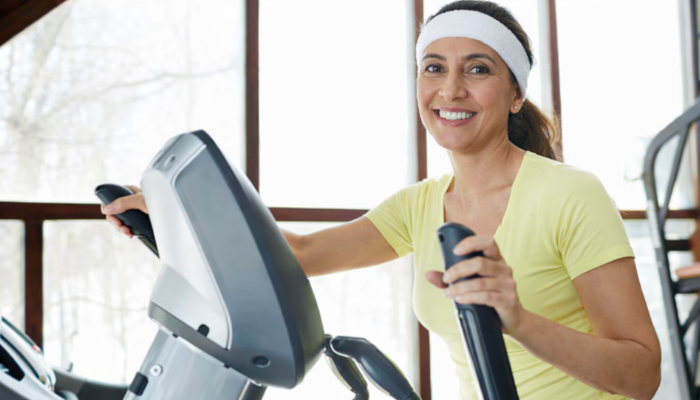
Fitness in your 40s is where the magic happens. You have "old man/woman strength"—that dense, wiry power that comes from years of work. However, fitness in your 40s must aggressively combat natural muscle loss (or sarcopenia).
Listen, fitness in your 40s is about preservation. Your joints have mileage on them. Muscle strength is the armor that protects those joints.
Fitness in Your 40s Strategy
- Recovery: Training recovery is just as important as the workout itself. Sleep is your best supplement.
- Workout Modification: Swap heavy back squats for goblet squats if your lower back complains.
- Consistency: Frequency trumps intensity. Make sure that your 40s keep you consistently mobile.
To master active aging, you must listen to your body. Active aging in your 40s means knowing when to push and when to deload. Regular screenings via a fitness level test by age become essential health markers. A fitness level test by age at 45 looks different than at 25, focusing more on mobility and sustained power than 1-rep maxes.
Why Active Aging Matters (And How to Test It)
We discussed about active aging earlier in the article. But why does it matter? Active aging ensures you can carry loads of groceries in your 30s and play with your kids (or grandkids) in your 70s. All without joint ache and groaning. To succeed at active aging, you need data. This is where the fitness level test by age comes into play.
Take the Fitness Level Test by Age
So how do you measure up? A fitness level test by age isn't a pass/fail school exam. It is a diagnostic tool. By performing a fitness level test by age every six months, you can track the trajectory of your active aging. If your fitness level test by age shows a decline in flexibility, you increase yoga. If the fitness level test by age shows strength loss, you bump up the protein. Here is how active aging enthusiasts use the fitness level test by age to track progress:
- The Push-Up Test: A classic fitness level test by age for upper body endurance.
- The Plank Test: Measures core stability, crucial for active aging.
- The Sit-and-Reach: A fitness level test by age for flexibility.
- VO2 Max: This is the ultimate cardiovascular fitness level test by age.
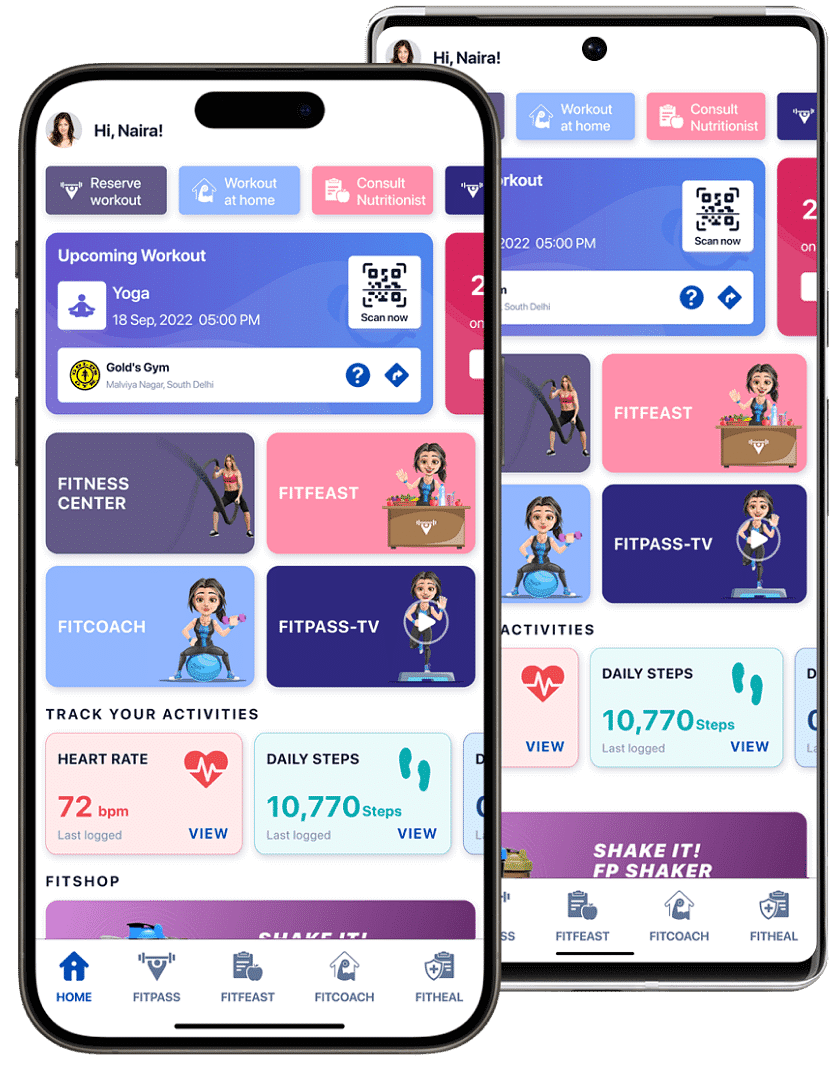
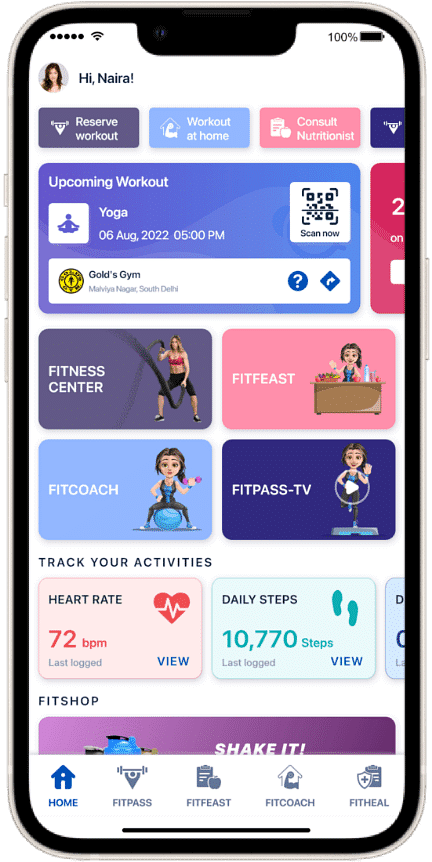
Active aging framework is proactive, not reactive. Use the fitness level test by age as your GPS. Try FITPASS health calculator to check your health score and fitness metrics to stay on your fitness journy optimally.
Injury Prevention Workouts
Regardless of your decade, injury prevention workouts should be a staple in your routine. Nothing derails active aging faster than a torn rotator cuff or a herniated disc. Injury prevention workouts focus on the stabilizers—the small muscles that support the big lifts. Here are some of the key elements of injury prevention workouts.
- Rotator Cuff Work: Face pulls and external rotations.
- Glute Activation: Banded walks and bridges.
- Core Stability: Dead bugs and bird dogs.
Incorporating injury prevention workouts twice a week can save you months of rehab. In your 20s, injury prevention workouts are an investment. In your 30s and 40s, injury prevention workouts are mandatory maintenance.
Significance of Workout Modification and Training Recovery
You know your body the best. When you embrace active aging, workout modification becomes a sign of wisdom. For example, if a barbell bench press hurts your shoulders, switch to dumbbells. That is a smart workout modification. Furthermore, prioritize training recovery. Active aging requires that you repair tissues effectively.
- Hydration
- Protein intake to fight muscle loss with age
- Sleep quality
Your fitness level test by age results will improve simply by taking training recovery seriously. If you fail a fitness level test by age, look at your sleep before you look at your workout program.
The Gist: Active Aging Is for Ageless Strength
Are you someone navigating fitness in your 20s?
Or balancing fitness in your 30s and 40s? The goal with active aging remains the same: a stronger, healthier you. Active aging is a mindset that needs to be adapted more in India. There are many connotations that come with hitting the 40s. It does not have to be that way. You can be 40 and still feel active like 25. Taking the active aging test at different phases of life is the commitment to show up, even when life gets busy.
Take the fitness level test by age. You can keep your progress tangible and your goals realistic. The test provides a roadmap for successful for active aging. Don't let active aging be a passive process. Grab the data from your fitness level test by age, implement injury prevention workouts, and keep lifting. Your future self will thank you.
Ready to build a home gym that grows with you through every decade?
FITPASS offers an all-encompassing solution with everything you need to stay fit for a lifetime.