Cycling is more than just a mode of transport or a weekend hobby; for many, it’s a lifestyle. Whether you’re hitting the hills on the road, pushing your limits in spinning classes, or clocking miles on the trails, your body composition plays a huge role in how you perform. One of the most talked-about metrics among cyclists and endurance athletes is body fat percentage. But what really is the ideal body fat percentage for cyclists, and does it change as you age?
In this blog, we’ll explore how body fat affects cycling, what the best body fat percentage for athletes might look like at different life stages, and how to balance healthy goals with strong performance. Along the way, you’ll find expert insights, research-backed evidence, and even a personal story to inspire you. Let’s roll.
Key Takeaways
- Body fat percentage influences cycling performance, especially endurance, speed, and power-to-weight ratio.
- Ideal body fat varies by age and sex, and should be considered alongside training and recovery.
- Lean body composition can boost endurance performance, but extremely low body fat carries health risks.
- Targeting around 20% body fat can be a good benchmark for many recreational cyclists, but competitive riders often aim lower.
- Healthy body fat levels should focus on sustainable training and nutrition, not just the scale or mirrors.
Why Body Fat Percentage Matters for Cyclists
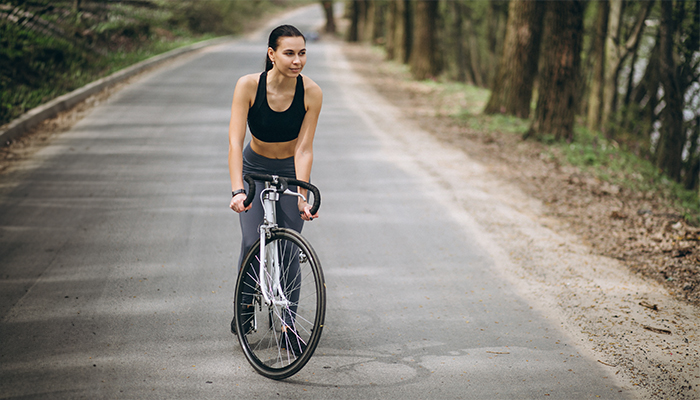
When discussing performance in cycling, from outdoor road racing to indoor spinning sessions, your body fat percentage is more than a number. It affects your endurance performance, recovery, power-to-weight ratio, and overall health.
What Is Body Fat Percentage?
Simply put, body fat percentage refers to the proportion of your body made up of fat relative to everything else (muscle, bone, water, organs). Unlike weight alone, this measure gives a clearer picture of your body composition.
For cyclists, especially endurance riders, having a leaner profile can improve efficiency. When you carry excess fat, you’re pushing more weight uphill and through long distances, which can slow you down and increase fatigue.
How Body Fat Affects Cycling
Every extra kilogram of fat requires more energy to move. In cycling, this can mean:
- Slower climbing speed
- Reduced acceleration
- Increased energy expenditure
- Poorer performance in long rides
A study published in the Journal of Sports Sciences showed that cyclists with lower body fat percentages had significantly better power-to-weight ratios and superior climbing performance compared with heavier cyclists of similar power output.1
That said, extremely low body fat isn’t always better. There’s a balance between lean body composition and overall health, and the ideal percentage shifts as your body ages.
The Ideal Body Fat Percentage by Age
Your body fat percentage by age is influenced by hormonal changes, metabolism, lifestyle, and training intensity. Let’s break it down in simple terms.
Age 20–29: Peak Performance Years
During your twenties, your metabolism tends to be higher, and recovery is quicker. For cyclists in this age group:
- Male cyclists: 8–12% body fat
- Female cyclists: 16–22% body fat
This range supports strong endurance performance without compromising health. Many competitive young cyclists target lower body fat levels within this range to enhance their cycling speed and power-to-weight ratio.
Age 30–39: Sustained Strength and Endurance
As you enter your thirties, your body becomes slightly more efficient at storing fat, and recovery may take a bit longer. A healthy target shifts a little:
- Male cyclists: 10–14% body fat
- Female cyclists: 18–24% body fat
At this stage, focusing on quality cycling training and balanced nutrition helps maintain performance while preventing overtraining and injury.
Age 40–49: Wisdom, Strategy, and Smart Training
Cyclists in their forties often have years of training under their belt. Muscle mass declines gradually with age, which means a slightly higher ideal body fat percentage might still support excellent performance:
- Male cyclists: 12–16% body fat
- Female cyclists: 20–26% body fat
Here, endurance and strategy become as important as raw power.
Age 50+: Experience Beats Excessive Numbers
Beyond fifty, maintaining fitness is tied more to consistency than chasing low body fat. A lean but healthy range can still benefit your rides:
- Male cyclists: 14–18% body fat
- Female cyclists: 22–28% body fat
In this age bracket, focus on strength training, flexibility, recovery, and cycling frequency to complement your body composition goals.
Is “20% Body Fat” a Good Target?
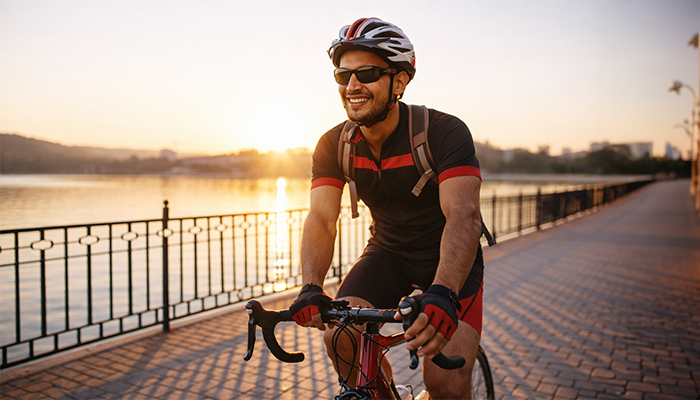
You’ll often hear coaches or cycling communities talk about 20% body fat. But is it truly a magic number?
For many recreational cyclists, men and women alike, 20% body fat can be an effective and healthy reference point. It generally represents a balance between lean endurance athletes and everyday wellness. For men, this figure usually sits in a comfortable zone for both performance and health. For women, body fat tends to be naturally higher due to biological differences, so the equivalent healthy zone will be higher.
Remember: a number doesn’t guarantee performance. It’s how the body feels, performs, and recovers that counts.
The Science Behind Body Fat and Cycling Performance
A landmark study involving elite cyclists revealed that athletes with body fat percentages below 12% (males) and 20% (females) often exhibited better performance metrics in endurance performance tests, especially during climbs and long-distance time trials.2
Another research paper from the European Journal of Sport Science highlighted that too low a body fat percentage can negatively impact immune function, hormonal balance, and energy levels — reducing overall performance and increasing risk of overtraining.
These findings underscore:
- Lower body fat can improve the power-to-weight ratio.
- Extremely low body fat can lead to health issues.
- Optimal performance involves balance.
How to Safely Manage Body Fat for Cycling
Your body composition should evolve based on training goals, not unrealistic standards. Here’s how to work toward your ideal body fat percentage without sacrificing health:
1. Smart Nutrition Is Non-Negotiable
Fuel for endurance cycling shouldn’t be about deprivation. It should be about quality:
- Whole grains, lean proteins, fruits, and vegetables
- Healthy fats like nuts, seeds, and avocados
- Hydration and electrolyte balanc
Cyclists often fall into the trap of “eat less to be lighter.” But without adequate fuel, your performance and recovery will suffer.
2. Tailored Training Plans
Whether you’re focused on outdoor cycling or indoor cycling like spinning, structured training helps:
- Build endurance
- Enhance power output
- Maintain muscle mass
A mix of interval training, long steady rides, and resistance training helps promote a healthy lean body composition.
3. Rest and Recovery
Rest days are as important as ride days. Sleep, active recovery, and cross-training protect against injury and support metabolic health.
4. Track Progress Holistically
Don’t just focus on scales or skinfold tests. Pay attention to:
- Cycling speed improvements
- How does your body feel on long rides
- Resting heart rate
- Energy levels throughout the day
Common Mistakes Cyclists Make With Body Fat Goals
Even experienced riders can fall into traps. Here are some pitfalls to avoid:
Obsessing Over Low Numbers
Chasing extremely low body fat at all costs can lead to burnout, hormonal imbalances, and nutrient deficiencies.
Neglecting Strength Training
Cyclists often focus only on riding miles and skip resistance training. This can lead to muscle loss and slower metabolism.
Ignoring Recovery
Insufficient rest disrupts hormonal balance and increases body fat storage.
Comparing Yourself to Others
Every cyclist’s body is different. Genetics, age, sex, and training history all play a part.
Indoor Cycling and Body Fat: What You Should Know
Spinning classes are high-intensity and calorie-heavy sessions. They can support fat loss and boost endurance, but they’re most effective when combined with:
- Balanced eating
- Strength work
- Structured outdoor rides
Indoor cycling is great for short bursts of endurance performance and cardiovascular health, but keep in mind that spinning alone won’t define your body composition.
Balancing Healthy Body Fat and Cycling Ambitions
Whether your goal is to crush a century ride, improve your personal best, or simply stay active, your approach to body fat percentage should be thoughtful.
Cycle your goals with:
- Realistic body fat targets
- Solid training plans
- Regular rest
- Nutrition that supports performance
A healthy body fat level allows you to be strong and sustainable on the bike, not just lighter.