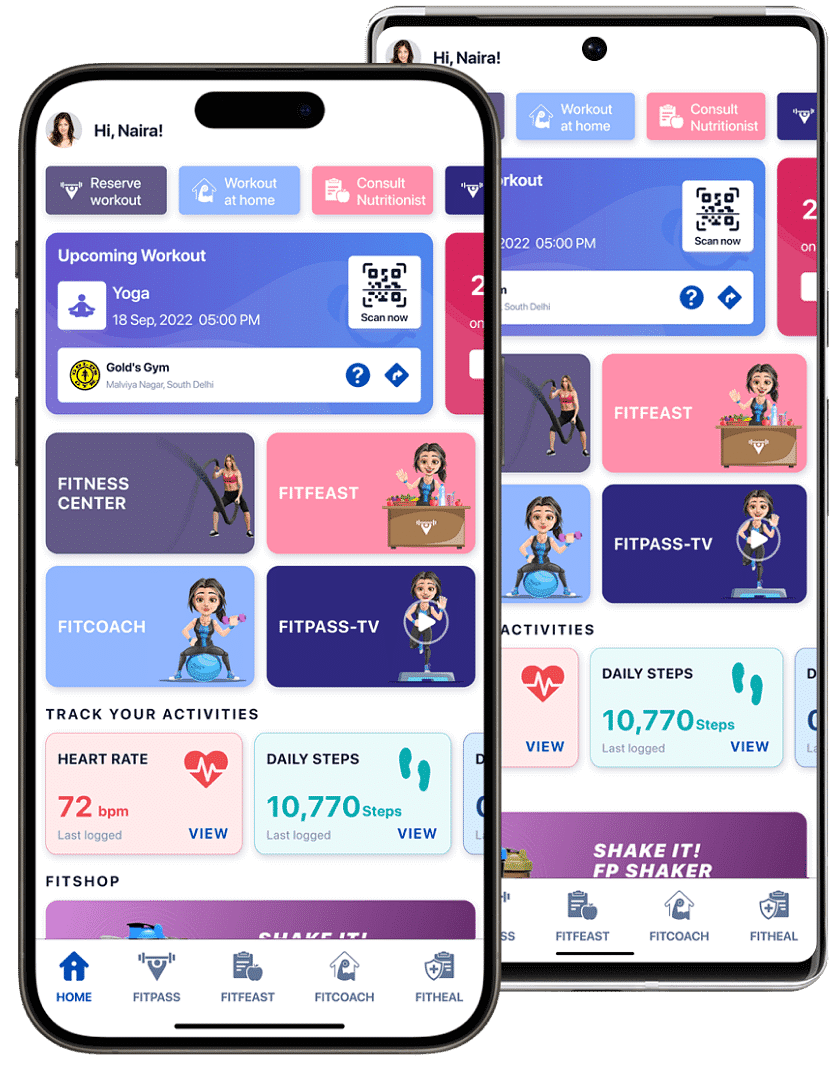
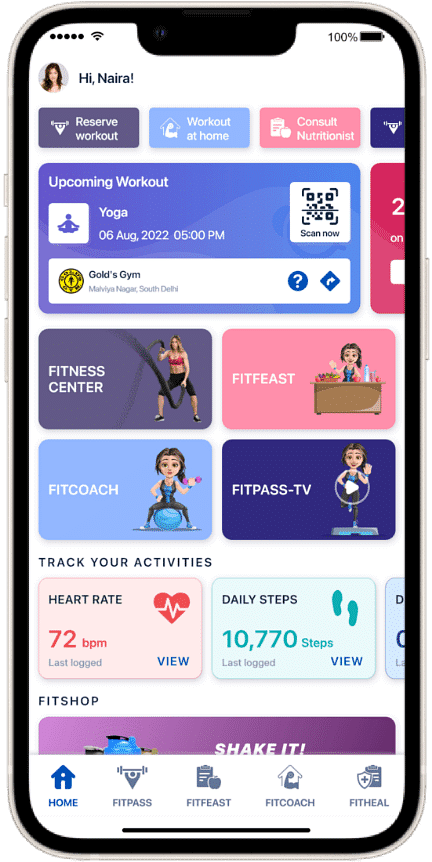
Diabetes has become one of India’s most urgent health problems. As the number of people with diabetes rises, the country faces heavy social and economic costs. But the good news is that fitness, simple, regular physical activity and exercise can play a major role in preventing diabetes, controlling blood sugar and improving people’s lives. In this article, we look at where India stands today, why fitness matters, what types of activity work best, the evidence from studies, and practical ways India can use fitness to fight the diabetes tide.
Key Takeaways
- Diabetes cases in India are rising rapidly; tens of millions of adults now live with diabetes.
- Regular physical activity and structured exercise reduce the risk of developing type 2 diabetes and help control blood sugar in people who already have diabetes.
- Both aerobic activity (walking, cycling) and resistance training (strength work) matter; combining them gives the best results.
- Community programmes, workplace initiatives and public campaigns can make exercise accessible, which is essential for prevention at scale.
- Simple changes, brisk walking, daily movement, and two weekly strength sessions can cut risk and improve long-term health.
The Scale Of The Problem: Diabetes in India 2025
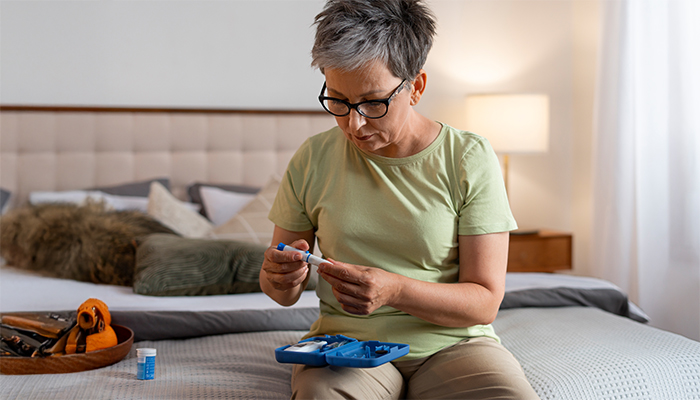
India now carries a disproportionate share of the world’s diabetes burden. Recent estimates from global and national sources show that prevalence has climbed steadily over the past decades and continues to rise. The IDF (International Diabetes Federation) Atlas reports that the adult prevalence in India reaches double-digit percentages and that the total number of adults with diabetes is in the many tens of millions. National surveys and the ICMR-INDIAB studies similarly estimate very large numbers, with recent national-level figures placing the number of people with diabetes in the order of 100 million or more. These numbers underline that “rising diabetes cases in India” is not an abstract phrase but a present reality that affects families, healthcare systems and the economy.
Clear, up-to-date figures matter because they show where to target prevention. Urbanisation, ageing, dietary changes and sedentary lives all drive these trends. The next sections explain how physical activity and exercise can blunt those drivers, and what evidence supports that claim.
How Fitness Prevents Diabetes
Exercise changes how your body handles sugar (glucose). Muscles are a major sink for glucose: when they contract during activity, they take up glucose from the blood even without extra insulin. Repeated, regular exercise increases muscle mass, improves insulin sensitivity, lowers fasting blood glucose and reduces the chance that high blood sugar will progress to type 2 diabetes.
In addition, regular physical activity helps control weight, reduces visceral fat (the deep belly fat closely linked to diabetes), lowers blood pressure and improves blood lipids, all risk factors for type 2 diabetes and its complications. Together, these effects mean fitness acts both upstream (reducing risk) and downstream (improving control) in the pathway of diabetes.
Common Barriers in India and How Fitness Can Be Made Realistic
Many Indians want to be healthier but face real barriers: long working hours, unsafe or polluted outdoor spaces, limited access to parks, cultural factors that reduce women’s free time, and low awareness about exercise benefits. Urban air pollution is another emerging concern. Research from India links air pollution to higher diabetes risk, which complicates the picture because people may avoid outdoor activity where pollution is high. Still, the solution is not to stop promoting activity; instead, programs must adapt, for example, by promoting indoor exercise options, exercise at work, and timing outdoor activity to periods with lower pollution.
To overcome barriers, we must design interventions that fit daily life: short, repeated movement breaks during work, community walking groups, school programmes, and low-cost strength routines that can be done at home without equipment.
What Kinds of Activity Should Indians Focus On?
A combination of activities gives the best protection and control:
- Aerobic activity (endurance): brisk walking, cycling, jogging, swimming. Aim for at least 150 minutes a week of moderate-intensity or 75 minutes of vigorous activity spread across the week. Even shorter sessions of 10–15 minutes, repeated several times per day, help.
- Muscle-strengthening exercises: two sessions per week (bodyweight squats, push-ups, resistance bands or weights). Strength training improves glucose uptake by building muscle mass and reduces resting blood sugar.
- Light daily activity: standing more, taking stairs, reducing sitting time, these small changes add up and help with weight management and insulin sensitivity.
- Flexibility and balance: useful for older adults to reduce falls and keep people active for longer.
When advising individuals, focus on what they can sustain. A brisk 30-minute walk five days a week plus two short strength sessions is a practical, evidence-based goal.
Fitness and Blood Sugar Control: Real-World Benefits
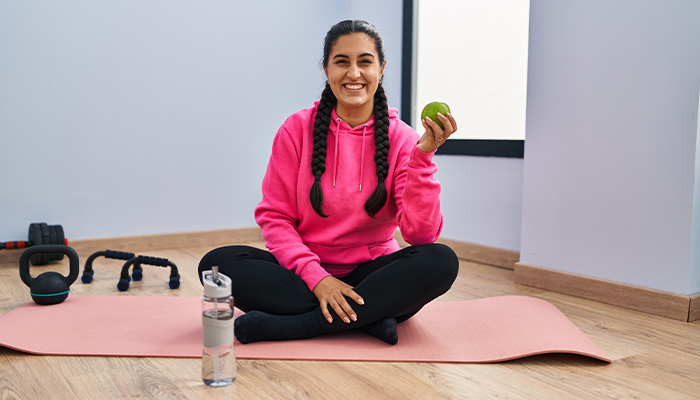
For people who already have diabetes, exercise does more than lower glucose numbers on a test. It improves energy, sleep, mood and physical function. Clinically, regular exercise lowers HbA1c (a key average blood-sugar measure), cuts cardiovascular risk factors and often reduces the need for medication or allows lower doses. This is why health systems increasingly treat structured exercise programmes (exercise prescription) as part of diabetes care, not an optional add-on.
Case studies from workplace wellness programmes and community clinics in India show that even modest increases in activity lead to measurable improvements in screening metrics and patient outcomes. Where governments or employers make exercise easy, for example, by offering on-site walking routes, exercise classes or subsidised gym access, participation rises and markers such as fasting glucose and weight improve.
Public Health Strategies That Work
If India wants to curb the diabetes surge, the approach must go beyond individual advice. Successful public-health strategies include:
- Population screening and early detection. Screening people over a certain age or with risk factors helps find high-risk individuals early, so exercise and lifestyle measures can start before diabetes sets in.
- Community-based activity programmes. Walking clubs, community fitness classes and school physical-education enhancements build habits and social support.
- Workplace wellness. Employers can encourage activity through breaks for movement, standing desks, incentives and onsite classes.
- Urban planning that promotes activity. Safe footpaths, parks, cycling lanes and accessible recreation spaces make active travel and leisure easier.
- Targeted campaigns and education. Awareness drives tied to events like World Diabetes Day in India help focus attention and prompt action.
All these strategies work best when they reach the most vulnerable, low-income groups, peri-urban communities and women who may face cultural or safety barriers to exercise.
Simple, Safe Exercise Plans for Different Groups

Here are practical starter plans that people can adopt quickly. Always check with a doctor if you have known health problems before starting a new routine.
- Beginner adult (no major health problems): 10–15 minutes brisk walk twice daily + two 15-minute bodyweight strength sessions per week (squats, lunges, wall push-ups). Increase gradually.
- Busy office worker: 10-minute brisk walk during lunch, 5-minute movement breaks every hour (stand and stretch), two 20-minute strength sessions at home in the evening.
- Older adult: 20–30 minutes of brisk walking or chair-based aerobic activity most days + balance exercises + one light resistance session per week.
- High-risk person (prediabetes): Aim for at least 150 minutes of moderate activity weekly, add strength training twice weekly, and seek a structured lifestyle programme if available.
These practical routines reduce the friction of starting exercise and build consistency, the single most important predictor of long-term benefit.
Measuring Impact: How To Know It’s Working
Trackable measures help keep people motivated and let programmes show results. Useful metrics include:
- Frequency and minutes of weekly activity (self-report or wearable trackers).
- Body weight and waist circumference.
- Fasting blood glucose and HbA1c (for people with diabetes or prediabetes).
- Blood pressure and lipid profile.
Community programmes should collect simple data (participation rates, basic health markers) to monitor progress and fine-tune delivery.
The Economic Argument for Prevention
Rising diabetes cases create large costs for families and the health system. Preventive fitness programmes require investment up front but can save money over time by lowering the number of people who develop diabetes and its costly complications (kidney failure, heart disease, amputations). Employers also benefit: healthier employees mean fewer sick days, higher productivity and lower treatment costs. This economic logic supports national and local investment in fitness-based prevention as a cost-effective public-health policy.
Looking Forward: Opportunities and Priorities for India

India has several strengths it can build on: a strong network of community health workers, growing digital health adoption, expanding corporate wellness, and high public interest in fitness and well-being. To turn potential into results, India should:
- Scale evidence-based lifestyle programmes in primary care and workplaces.
- Use digital tools (apps, SMS, telehealth) to deliver coaching where facilities are scarce.
- Integrate fitness messages into existing NCD (non-communicable disease) campaigns and link them with events like World Diabetes Day in India for greater reach.
- Protect safe, low-pollution spaces for outdoor activity and promote indoor alternatives when air quality is poor.
If policymakers, employers and communities act together, India can slow the rise of diabetes and reduce its harms.
Final Thought
The rising number of cases of diabetes in India is a wake-up call, but they do not mean we are powerless. Fitness, which involves simple, regular physical movement and planned exercise, offers a proven, cost-effective way to lower risk, control blood sugar, and strengthen public health. With clear messaging, accessible programmes and supportive environments, India can turn the tide on diabetes. Start small, stay consistent, and make fitness part of everyday life, for individuals, workplaces and communities alike.