In a world where technology often replaces movement and screen time surpasses playtime, physical activity for youth has never been more crucial. Today’s young adults face increasing academic pressure, social media influences, and mental health challenges, all of which make staying active not just a physical need but a mental one too.
Whether it’s through school sports, daily workouts, or simply a walk in the park, incorporating regular movement into their lives can significantly shape a better future for the youth. The connection between a strong body and a strong mind is more than a motivational quote; it’s a scientifically backed, life-changing truth.
- Daily physical activity improves mental focus, memory, and emotional stability in youth.
- Student workout habits have a direct impact on academic performance and long-term brain health.
- Exercise fosters discipline, self-confidence, and stress resilience.
- Schools and parents play a major role in promoting youth fitness.
- Fitness for teenagers is not just about aesthetics; it’s about building a healthy and productive life.
According to the World Health Organisation, over 80% of adolescents globally are not meeting the recommended levels of physical activity. Youth fitness statistics in India reflect a similar trend, with studies showing a steady rise in sedentary lifestyles among students and young adults. Increased screen time, urban lifestyle constraints, and academic stress contribute to this worrying decline.
Unfortunately, the impact goes beyond just weight gain or muscle loss. A lack of movement is strongly linked to poor posture, reduced immunity, fatigue, and even early signs of depression and anxiety.
When we speak of fitness for young adults, it’s easy to picture six-packs, treadmills, or gym selfies. But real youth fitness importance lies in the deeper, long-lasting benefits it brings, especially during the school and college years.
In essence, working out is not a distraction from studies; it’s a performance enhancer.

Mental health and exercise are deeply intertwined, especially in the lives of teenagers and young adults. Exercise acts as a natural antidepressant, boosting serotonin and dopamine levels, both essential for mood regulation.
A 2020 study published in The Lancet Psychiatry involving over 1.2 million participants concluded that those who exercised regularly reported fewer days of poor mental health compared to those who didn’t. This connection is particularly important for youth, who often juggle emotional turbulence, hormonal shifts, and social pressures.
- Enhances blood flow to the brain.
- Boosts memory and learning capacity.
- Stimulates the growth of new brain cells.
- Strengthens connections between nerve cells.
So, while the gym might tone muscles, it also sharpens minds.
Developing a consistent workout routine during school or college years teaches more than just reps and sets; it instils discipline. Youth who stick to a fitness schedule are more likely to:
- Stick to deadlines.
- Resist distractions.
- Develop long-term goal-setting habits.
- Cultivate patience and resilience.
These life skills are far more valuable than just looking good in selfies. Fitness for teenagers becomes the foundation of responsible adulthood.
Daily movement is essential, not just for athletes or fitness enthusiasts. Every young person, regardless of their career goals, benefits from at least 30 to 60 minutes of physical activity each day. This could include brisk walking, cycling, swimming, dancing, or sports.
Benefits of Working Out in School Years
- Builds a strong immune system.
- Improves posture and flexibility.
- Increases energy levels for better productivity.
- Enhances sleep quality.
- Boosts self-esteem and body image.

Want to make fitness a part of your everyday routine? Here are some easy tips to get started:
- Make it fun: Join a dance class, play your favourite sport, or do a short HIIT session.
- Schedule it: Treat your workouts like appointments. Even 20 minutes count.
- Move between study breaks: Stretch, walk, or do jumping jacks to reboot your brain.
- Stay hydrated: Water boosts energy and helps with performance.
- Get proper sleep: Recovery is just as important as movement.
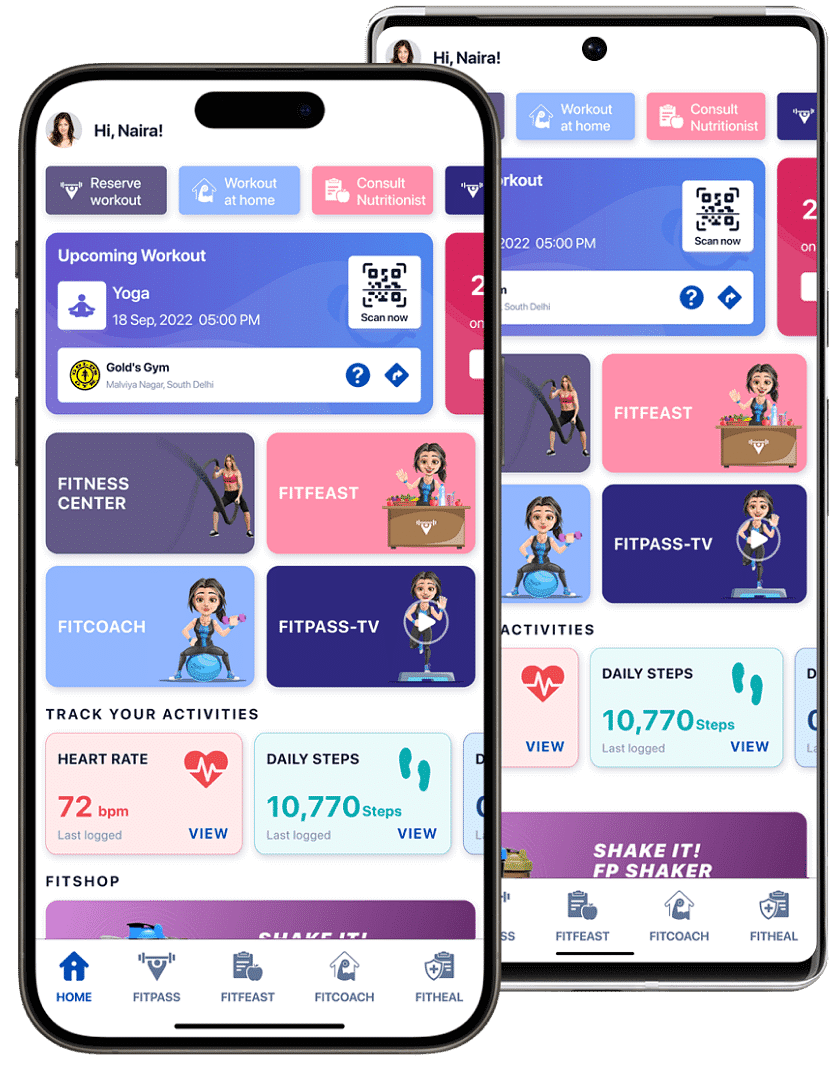
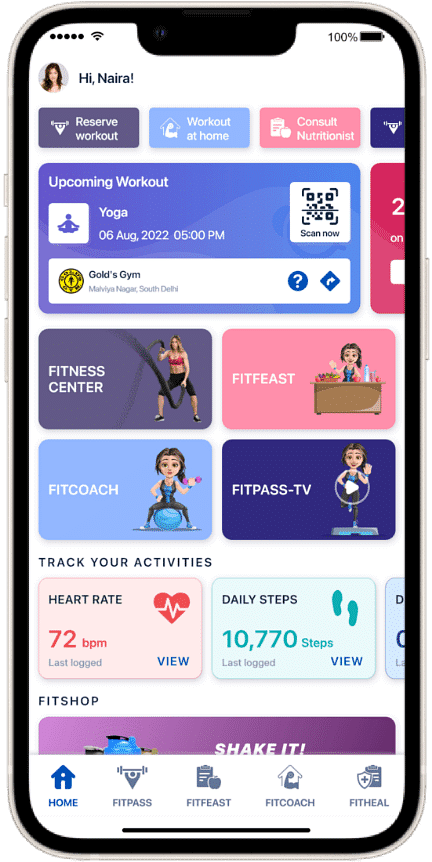
- Use tech smartly: Fitness apps and platforms like FITPASS offer flexible options to try gyms, yoga studios, and fitness centres near you, so you're never short of choices.
“I was always the kid who made excuses to skip P.E.,” says Aakash, a 19-year-old engineering student. “I felt sluggish, stressed, and always behind. My friends suggested trying a few morning runs. I hesitated at first, but gave in. Within two weeks, I felt lighter, mentally and physically. My focus improved, my back pain reduced, and I actually started looking forward to my workouts. Now, I mix things up, cycling, bodyweight workouts, and gym sessions with FITPASS. It's the best decision I've made for myself.”
Personal testimonials like these show that youth fitness is not just possible, it’s transformational.

Fitness for teenagers must be a shared responsibility. While the drive must come from within, encouragement from outside makes a huge difference.
- Schools can integrate more physical education classes, support sports infrastructure, and promote fitness clubs.
- Parents can lead by example, motivate their children, and make physical activity a family affair.
Supporting fitness early builds habits that last a lifetime.
Youth is the perfect time to invest in your body and mind. The benefits of exercise for students go far beyond the visible; they influence every area of life, from brain health to confidence, focus to friendships.
Prioritising fitness for young adults isn’t a trend; it’s a necessity. And while the path may seem difficult at first, the rewards are lasting. So lace up those shoes, roll out the yoga mat, or grab your bike. Your future self will thank you.
If you’re not sure where to start, explore local fitness options with platforms like FITPASS that make it easier to find the right routine for your lifestyle. You don’t have to do it all at once, just one step at a time.
Because a strong body isn’t just about strength. It’s about shaping a strong, focused, and happy mind.