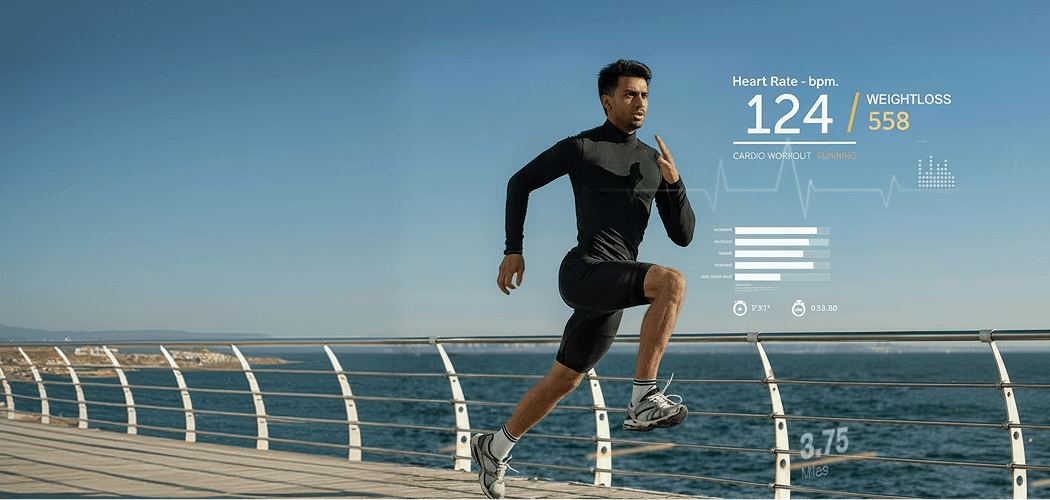
“Don't choose between a leaner body and a stronger heart. Prioritizing sustainable weight loss allows you to have both. Do it the FITPASS way. 💪❤️
Research shows that a moderate weight reduction of just 5% to 10% can significantly lower cardiovascular risks like hypertension (high blood pressure) and elevated cholesterol. This 5-minute read blog will help you prioritize your heart health and weight loss in actionable ways. Keep reading for sustainable strategies that will keep your heart ticking strong and help you shed pounds for the long haul. Dive into how you can merge sustainable weight loss and cardiovascular health into one seamless, empowering lifestyle with FITPASS.
Why Combine Weight Loss and Heart Health?
Weight loss and heart health go hand in hand. When you carry excess weight, your heart has to work overtime to pump blood throughout your body. It’s not happy. Studies have consistently shown that focusing on diet alone can help you achieve good results. The same goes if you prioritize exercise besides a nutritious diet. Even a combination of both is equally effective at offering baseline heart protection.
Though merging them is the ultimate cheat code for sustainable weight loss and a happy heart. You take a massive load off your cardiovascular system by shedding the extra pounds. Combining a heart-healthy diet with a solid exercise routine creates a domino effect of positive changes in your body.
Sustainable Weight Loss: The Domino Effect
Healthy food habits and small behavior changes are what show big results. Sustainable healthy weight loss is a carefully monitored result of improved nutrition, regular movement, and quality sleep. This causes a domino effect, which creates positive chain reactions. Always consult with your doctor or a nutritionist before making drastic changes to your diet. Ditch the quick-fix crash diets to lose weight. Especially if you have a history of heart issues. The sudden weight loss methods are not suitable for heart health. Here are some of the most common effects of the positive changes you can experience.
Reduced Inflammation: Excess fat tissue means chronic inflammation. This is exactly what damages blood vessels. Sustainable weight loss cools this inflammation down and lowers the pressure on your heart.
Better Blood Flow: As cholesterol levels balance out and blood vessels become more flexible, your circulation improves, giving you more stamina for your daily activities.
Lower Heart Disease Risk: A combined approach not only accelerates fat loss but ensures your cardiovascular system becomes highly efficient and resilient.
The Urgent Nature of Hypertensive Crisis
People with heart health and blood pressure issues require a strict dietary focus, in addition to exercise. Not managing a healthy diet can cause frequent hypertensive crises. The key symptoms are headaches, anxiety, shortness of breath, and dizziness. In some instances, individuals also experience chest pain. A hypertensive crisis is a blood pressure emergency. It occurs when an individual experiences a sudden rise in blood pressure.
The effects? Well, all the organs take a hit, and the impairment of organ systems requires intensive care. This includes vital organs like the heart, kidneys, and brain. This is also called a hypertensive emergency. Severely high blood pressure without immediate care and medication can cause severe organ damage. Sustainable weight loss through combined exercise and a heart-healthy diet is one of the best methods to manage hypertension and heart health issues.
Essential Diet Principles for a Happy Heart

You can’t out-train a bad diet, especially when it comes to your heart. Heart-smart eating isn’t about deprivation. It’s about fueling your body with vibrant, nutrient-dense foods. Here are the core principles to live by, recommended by leading nutritionists at FITPASS.
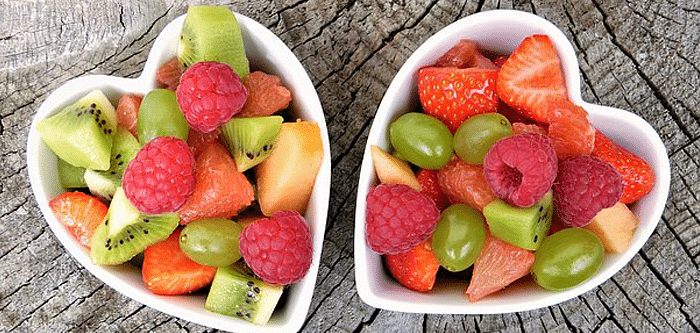
Focus on the Good Stuff: Fill your plate with a rainbow of fruits and vegetables, whole grains (like quinoa, brown rice, and oats), lean proteins (chicken, turkey, fish, tofu), and healthy fats (avocados, olive oil, nuts).
Cut the Culprits: Trans fats and saturated fats are the worst for heart health and weight loss. To protect your heart, you need to be mindful of what you’re reducing. Minimize your intake of sodium (salt), added sugars, and saturated fats. These are the primary drivers of high blood pressure and arterial plaque.
Satiety and Portion Control: Portion control is your best friend for weight loss. To keep from feeling hungry, prioritize high-fiber meals. Fiber is found in beans, veggies, and whole grains. It digests slowly and keeps you full for hours while actively sweeping bad LDL cholesterol out of your bloodstream. Crash diets and extreme calorie cuts stress the heart and slow metabolism.
Fast results, but at a cost?
7-Day Meal Schedule for Sustainable Weight Loss
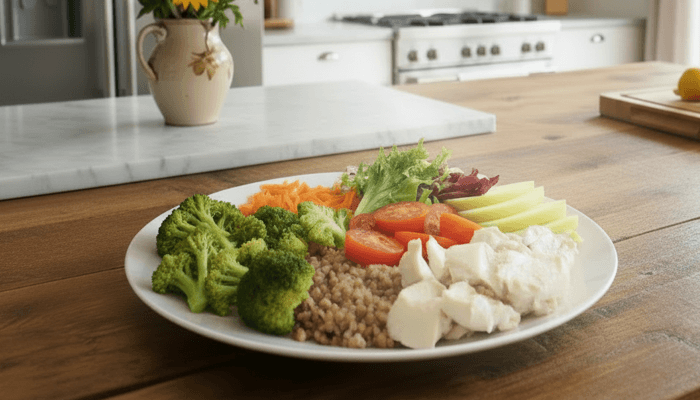
Building a menu doesn't have to be stressful. Below is a highly adaptable, 7-day meal plan drawn from proven, heart-healthy menus. This plan targets an estimated 1,500 to 2,000 calories daily, depending on your portion sizes and specific needs. Drink plenty of water throughout the day to aid digestion and keep your energy levels soaring!
|
Day
|
Breakfast
|
Lunch
|
Dinner
|
Estimated Total Calories (kcal)
|
|
Day 1
|
Oats porridge with chia seeds & berries
|
2 multigrain rotis + lauki sabzi + dal
|
Grilled paneer + sautéed veggies
|
1400 – 1500
|
|
Day 2
|
Vegetable poha with peanuts
|
Brown rice + rajma curry + salad
|
Quinoa khichdi + cucumber raita
|
1500 – 1600
|
|
Day 3
|
Moong dal cheela + mint chutney
|
2 rotis + bhindi + dal
|
Vegetable soup + tofu stir-fry
|
1350 – 1450
|
|
Day 4
|
Smoothie (spinach, banana, oats, flaxseeds)
|
Millet roti + mixed veg curry + curd
|
Grilled fish/paneer + broccoli
|
1450 – 1550
|
|
Day 5
|
Idli + sambar
|
Brown rice + chole + salad
|
Vegetable oats upma
|
1500 – 1600
|
|
Day 6
|
Avocado toast (whole grain bread)
|
2 rotis + palak paneer + dal
|
Clear soup + sautéed mushrooms
|
1400 – 1500
|
|
Day 7
|
Dalia (broken wheat) with nuts
|
Vegetable khichdi + curd
|
Light paneer bhurji + salad
|
1350 – 1450
|
*Calorie values are approximate and may vary based on portion size, cooking method, and ingredient quality.
This meal plan is packed with fiber-rich foods like oats, fruits, and veggies that sweep away bad LDL cholesterol. We discussed earlier in the blog that saturated fats and oils can worsen heart health and cholesterol levels. This is the fix that keeps your arteries clear and happy. In place of that, there are those delicious, healthy fats from nuts, seeds, and creamy avocados that nourish your heart and keep it pumping strong.
Dietitians at FITPASS strongly emphasize switching high-sodium processed snacks and embracing low-sodium, whole-food vibes. With a diet that prioritizes your blood pressure risks, you take the first step to complete wellness. Keeping plant-forward meals at the core, you can score long-term cardiovascular wins by pairing them with HIIT, jump rope sessions, or yoga flows.
How These Calories Are Designed for Sustainable Weight Loss
- This plan is ideal for heart health and moderate weight management
- Composition: 45–50% carbs, 20–25% protein, 25–30% healthy fats
- Keeps sodium, saturated fat, and processed foods low
- Increases fiber intake to keep you full and energized
Heart-Pumping Weekly Exercise Routine
Diet fuels your body, but exercise builds its engine. To prioritize weight loss and heart health, your goal should be to hit 150+ minutes of moderate cardiovascular activity weekly (just 30 minutes, 5 days a week!), paired with progressive strength training. The panel of nutritionists at FITPASS creates diet plans while accounting for the level of physical activity.
Cardiovascular Exercise: Cardio gets your heart rate up, burns calories, and strengthens your heart muscle. Start with brisk walking, light cycling, or swimming. Aim for 20-30 minutes at a pace where you can still hold a conversation but feel slightly breathless.
Take the HIIT Seriously: Incorporate Interval Training (HIIT). Alternate between 1 minute of high-intensity effort (like sprinting or jumping jacks) and 2 minutes of active recovery (walking).
Strength Training: Don't skip the weights! Muscle tissue burns more calories at rest than fat tissue. Aim for 2 to 3 days of strength training a week, focusing on full-body movements like squats, lunges, push-ups, and rows.
Progressive Overload and Rest: As you get fitter, your workouts should get slightly harder (heavier weights, faster speeds) - this is called "progressive overload." However, always schedule 1 to 2 rest days per week. Recovery is when your heart and muscles actually repair and grow stronger!
Tracking Progress and Lifestyle Tips
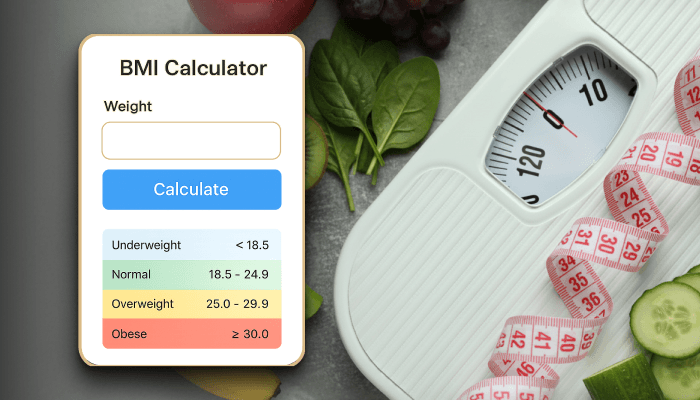
Achieving your health goals is a marathon. That means it is a gradual process and not a sprint. To track your journey safely and effectively, you must look beyond the scale. Because weight fluctuates daily, even if you are following your diet plan the same way. Track other vital metrics like your BMI (Body Mass Index) and, most importantly, your blood pressure. Notice how your clothes fit and how much energy you have. Regularly monitoring your health vitals is one of the best ways to keep tabs on progress. Use a specialized health calculator to accurately measure your BMI monthly for sustainable weight loss. Besides monitoring your blood pressure and BMI, sleep and stress are other crucial elements to regulate.
Manage Stress: Chronic stress elevates cortisol, a hormone that causes your body to store belly fat and raises blood pressure. Incorporate stress-busting activities like yoga or meditation. It is very important to spend quality time with loved ones to keep your interpersonal connections tight and strong.
Manage Sleep: Poor sleep levels also increase cortisol. Aim for 7-9 hours of quality sleep a night. Manage this by implementing the “no phones in the bedroom policy” more strictly. Eating magnesium and zinc-rich food, such as blueberries and oranges, gives you enough melatonin
Aim for Slow and Steady: The safest, most sustainable rate of weight loss is 1 to 2 pounds per week. Anything faster often results in muscle loss and rebound weight gain.
The Key Takeaways
Prioritizing your heart health while losing weight doesn't have to be a grueling process. By embracing a diet rich in whole foods, committing to a consistent, fun exercise routine, and managing your lifestyle habits, you are setting yourself up for decades of vitality. Remember, the secret ingredient to long-term success isn't perfection, it’s consistency. Even the smallest daily choices add up to massive, heart-saving transformations over time. Finding a workout routine you actually enjoy is the best way to stay consistent.
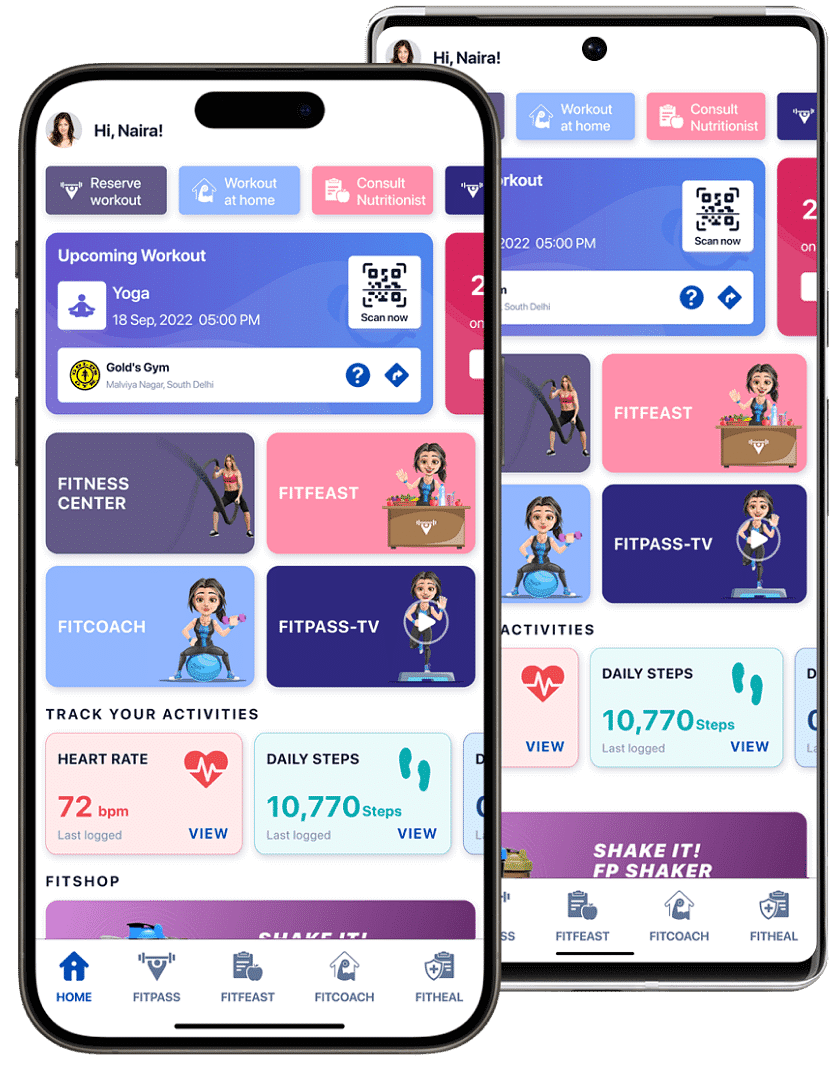
We give you the ultimate flexibility to fuel your heart and crush your weight loss goals! Move your body; love your heart with FITPASS.