Calculate Your Body Mass Index
Use our BMI calculator to instantly find your Body Mass Index. Enter your height and weight to check if you're underweight, normal, overweight, or obese as per Indian Standards.
BMI CALCULATOR
What is BMI?
BMI stands for Body Mass Index. BMI was developed in the 19th century by Belgian mathematician Adolphe Quetelet and is now used by the WHO, ICMR, and health professionals worldwide to assess weight-related health risk at the population level. It is a formula used to estimate whether your body weight is suitable for your height. The calculation uses your weight and height to generate a score. The result falls into one of several categories, from underweight to severely obese, and gives you a starting point for understanding your weight and health
Why BMI Matters
BMI is commonly used as an initial screening tool to understand whether your body weight may be linked to certain health risks.A consistently high BMI is often associated with an increased risk of lifestyle-related conditions such as
- Type 2 diabetes
- High blood pressure
- Heart disease
- Sleep apnea
- Joint stress
On the other hand, a very low BMI may indicate inadequate nutrition or low body reserves, which can contribute to fatigue, weaker immunity, reduced bone strength, and nutrient deficiencies.
Who Should Use This Calculator?
This BMI calculator can be useful for:
- Adults who want to understand whether their weight falls within a healthy range
- People tracking weight loss, weight gain, or fitness progress over time
- Individuals looking for a quick baseline health assessment
- Anyone advised by a healthcare professional to monitor their BMI
- Men and women who want to estimate body weight status using height and weight measurements
Note: BMI may not provide fully accurate results for children and teenagers, pregnant women, professional athletes with high muscle mass, or older adults experiencing age-related muscle loss. In such cases, additional health assessments may be recommended alongside BMI evaluation.
Formula to Calculate BMI
1) The BMI formula in the metric system is:
Step-by-Step Calculation
Here is how to calculate BMI manually:
- Step 1: Measure your weight in kilograms. Example: 75 kg.
- Step 2: Measure your height in centimetres. Convert to metres by dividing by 100. Example: 168 cm ÷ 100 = 1.68 m.
- Step 3: Square your height in metres. Example: 1.68 × 1.68 = 2.82.
- Step 4: Divide weight by height squared. Example: 75 ÷ 2.82 = 26.6.
- Result: BMI = 26.6 - Overweight category.
2) BMI Formula for Imperial Units
If you use pounds and inches:
BMI Calculation
Example: 165 lbs, 5 feet 6 inches (66 inches) → (165 × 703) ÷ (66 × 66) = 115,995 ÷ 4,356 = 26.6
What Formula Does FITPASS Use?
FITPASS uses the standard World Health Organization (WHO) formula to calculate BMI based on your height and weight. In addition to BMI, the calculator also estimates your TDEE (Total Daily Energy Expenditure) using the Mifflin-St Jeor equation, which is one of the most widely accepted formulas for estimating daily calorie needs.
This allows users to understand both their BMI category and estimated daily calorie requirements using a single set of inputs.
Once you have your BMI number, the next step is understanding where it places you on the BMI chart. There are two versions of the chart you need to know about: the global WHO standard and the India-specific classification. For Indian users, both matter, but the Indian version is the more clinically relevant one.
WHO Global BMI Chart (International Standard)
| BMI Range | Category | Health Risk Level |
|---|---|---|
| Below 18.5 | Underweight | Moderate (nutritional risk) |
| 18.5 to 24.9 | Normal weight | Low |
| 25.0 to 29.9 | Overweight | Moderate |
| 30.0 to 34.9 | Obese - Class I | High |
| 35.0 to 39.9 | Obese - Class II | Very high |
| 40.0 and above | Obese - Class III | Extremely high |
This classification was developed using large datasets primarily from European and Western populations. It is the standard used internationally for comparing health data across countries.
BMI Chart for Indian Men and Women
Studies suggest that Indian adults may develop health conditions such as Type 2 diabetes and cardiovascular disease at lower BMI levels compared to many Western populations. Because of this, Indian health guidelines recommend a slightly lower healthy BMI range.
What Is the Ideal BMI for an Indian Adult?
For most Indian men and women, a BMI between 18.5 and 22.9 kg/m² is generally considered healthy. These recommendations are aligned with guidance from the ICMR and are based on the higher metabolic risk commonly observed in South Asian populations.
| BMI Range (kg/m²) | Category (Reference Standard) |
|---|---|
| Below 18.5 | Underweight |
| 18.5 - 22.9 | Normal/Healthy Weight |
| 23 - 24.9 | Overweight - for Indian adults (ICMR) |
| 25 - 27.4 | Overweight (WHO) / Overweight (ICMR) |
| 27.5+ | Obese - for Indian adults (ICMR) |
| 30+ | Obese Class I (WHO) |
Healthy BMI for Children & Teens in India (age 5-18)
Children and teenagers grow at different rates, so BMI for those under 18 is assessed using age- and sex-specific growth charts instead of standard adult BMI ranges. In India, the Indian Academy of Pediatrics (IAP) recommends using BMI percentile charts for children and adolescents aged 5 to 18 years to evaluate healthy growth patterns.
How to Read BMI Percentile Results for Children
| Percentile | Category | What to Do |
|---|---|---|
| Below 5th percentile | Underweight | Consult a paediatrician |
| 5th to 84th percentile | Healthy weight | Maintain current diet and activity habits |
| 85th to 94th percentile | Overweight | Seek dietary guidance from a paediatrician or dietitian |
| 95th percentile and above | Obese | Paediatrician review is required |
These India-specific BMI cutoffs are designed to identify obesity and metabolic risk earlier in Indian children, who may develop health complications at lower BMI levels compared to Western populations.
BMI Visual Scale - BMI Chart for Adults in India
The table below provides an approximate weight range based on Indian BMI guidelines for adults. These values are estimates and may vary depending on body composition, muscle mass, age, and overall health.
| Height | Underweight (<18.5) | Healthy Weight (18.5–22.9) | Overweight Risk (23–24.9) | Obesity (25+) |
|---|---|---|---|---|
| 150 cm | Below 42 kg | 42–52 kg | 53–56 kg | Above 56 kg |
| 160 cm | Below 47 kg | 47–59 kg | 60–64 kg | Above 64 kg |
| 170 cm | Below 54 kg | 54–66 kg | 67–72 kg | Above 72 kg |
| 180 cm | Below 60 kg | 60–74 kg | 75–81 kg | Above 81 kg |
Important Note - This BMI chart is intended for general guidance only. BMI does not directly measure body fat, muscle mass, or overall fitness levels. Athletes, older adults, and individuals with higher muscle mass may have different healthy weight ranges.
Why Maintaining a Healthy BMI Matters
Your body weight can affect much more than appearance. Both overweight and underweight BMI ranges may increase the risk of various health conditions that impact energy levels, mobility, metabolism, heart health, and overall well-being.
According to health organizations such as the WHO and ICMR, maintaining a healthy BMI through balanced nutrition, regular exercise, quality sleep, and active lifestyle habits can help lower the risk of several long-term health concerns.
Health Risks Linked to High BMI
| Health Area | Common Health Risks |
|---|---|
| Blood Sugar | Type 2 diabetes, insulin resistance |
| Heart Health | High blood pressure, heart disease, stroke |
| Breathing | Sleep apnea, breathing difficulties |
| Joints & Bones | Knee pain, arthritis, reduced mobility |
| Liver Health | Fatty liver disease |
| Hormonal Health | PCOS, fertility challenges |
| Mental Well-being | Stress, anxiety, low self-esteem |
Note- A high BMI does not guarantee illness, but it may increase the likelihood of developing lifestyle-related conditions over time, especially when combined with inactivity, poor nutrition, smoking, or high stress levels.
Health Risks Linked to Low BMI
- Low immunity and frequent illness
- Nutrient deficiencies
- Fatigue and low energy
- Bone weakness and osteoporosis risk
- Hormonal imbalances
- Reduced muscle strength
Note- Being underweight may also affect growth, recovery, stamina, and overall physical health, particularly if nutritional intake is inadequate.
Small Lifestyle Changes Can Make a Difference
Improving your BMI does not require extreme diets or intense workout routines. Small and consistent lifestyle habits such as balanced eating, regular physical activity, strength training, better sleep, and stress management can support long-term health and sustainable weight management.
Limitations of BMI
BMI is a useful screening tool, but it does not directly measure body fat, muscle mass, or overall fitness levels. Two people can have the same BMI while having very different body compositions and health profiles.
| Limitation | Why It Matters |
|---|---|
| Does not measure body fat directly | BMI only considers height and weight. Two people with the same BMI can have very different body fat percentages and overall health profiles. |
| Cannot distinguish fat from muscle | People with high muscle mass, such as athletes or regular gym-goers, may fall into the "Overweight" BMI category despite having low body fat levels. |
| Does not account for fat distribution | Fat stored around the abdomen (visceral fat) increases the risk of heart disease, diabetes, and metabolic disorders more than fat stored in other areas of the body. |
| Less accurate for older adults | Age-related muscle loss (sarcopenia) can make BMI appear normal even when body fat levels are high. |
| Ethnicity-specific differences | South Asians are more likely to develop diabetes and cardiovascular disease at lower BMI levels, which is why Indian-specific BMI cut-offs are recommended. |
Looking Beyond BMI
BMI is a useful starting point for understanding body weight, but it does not always provide the full picture. Additional measurements such as BMI Prime and the Ponderal Index can offer deeper insights into weight status, especially for people with different body proportions or fitness goals.
1) BMI Prime
BMI Prime is a simplified way to compare your BMI with the upper limit of the healthy BMI range. Instead of focusing only on BMI numbers, BMI Prime converts your result into a ratio that is easier to understand and track over time.
How BMI Prime Works
BMI Prime is calculated by dividing your current BMI by the upper limit of the healthy BMI range.
BMI Prime Categories
| BMI Prime Score | Weight Status |
|---|---|
| Below 0.8 | Underweight |
| 0.8 – 0.99 | Healthy Range |
| 1.00 | Upper Healthy Limit |
| 1.01 – 1.20 | Mildly Overweight |
| 1.21 – 1.40 | Overweight |
| Above 1.40 | Obesity Range |
Why BMI Prime Is Useful
BMI Prime simplifies weight tracking and helps users:
- Understand how far they are from the healthy range
- Set realistic fitness goals
- Monitor progress more easily
- Compare BMI results more clearly
2) Ponderal Index (A Better Alternative to BMI)
The Ponderal Index (PI) is another body measurement tool that may provide a more balanced assessment for very tall or very short individuals. Unlike BMI, which uses height squared, the Ponderal Index uses height cubed in its calculation.
Because of this, PI may sometimes offer a more accurate interpretation for people whose body proportions make BMI less reliable.
Ponderal Index Categories
| Ponderal Index Score | Weight Status |
|---|---|
| Below 11 | Underweight |
| 11 – 14 | Healthy Range |
| 14.1 – 16 | Overweight |
| Above 16 | Obesity Range |
Why the Ponderal Index Matters
The Ponderal Index can be helpful for:
- Very tall individuals
- Very short individuals
- Athletes with different body proportions
- People looking for additional weight assessment methods
It should be used as a complementary tool rather than a replacement for BMI.
| Measurement | What It Tells You | Pros | Cons | Healthy Range |
|---|---|---|---|---|
| BMI (Body Mass Index) | Ratio of weight to height (kg/m²) | Quick, simple, widely used | Doesn’t factor in muscle or fat distribution | 18.5-22.9 (adults) |
| IBW (Ideal Body Weight) | Estimated healthy weight based on height, age, and gender | Useful in clinical settings, more personalised | Doesn’t reflect fat vs muscle | Varies by formula |
| Body Fat Percentage | % of weight that is fat | Differentiates fat from muscle | Requires tools (callipers, DEXA, smart scales) | Men: 10–20% | Women: 18–28% |
Why Choose FITPASS
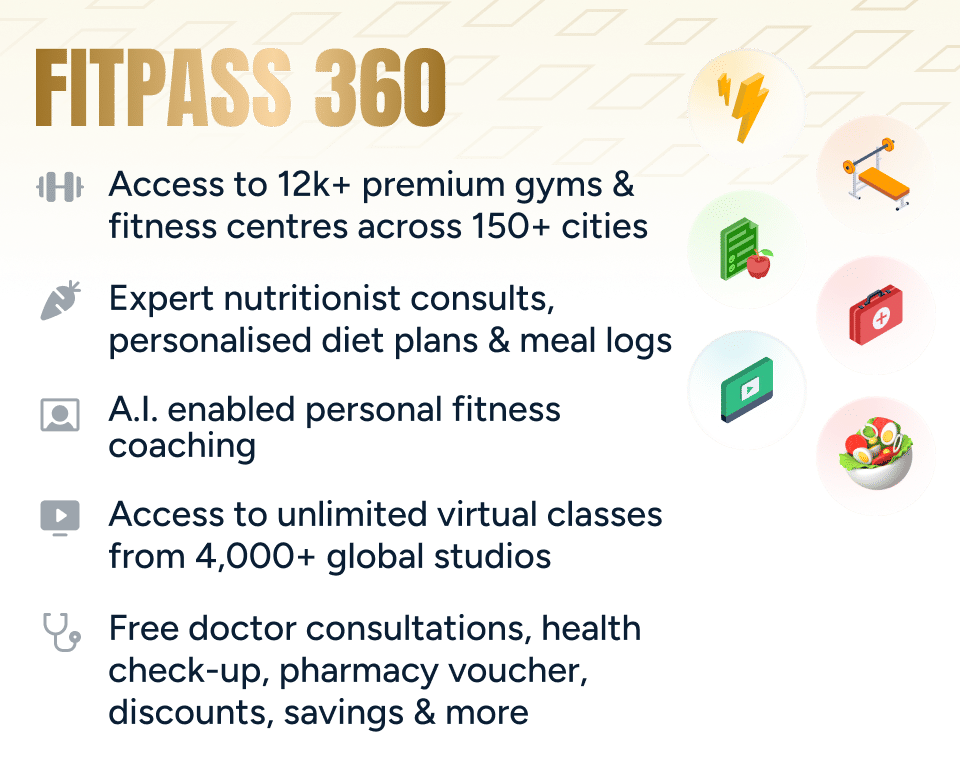
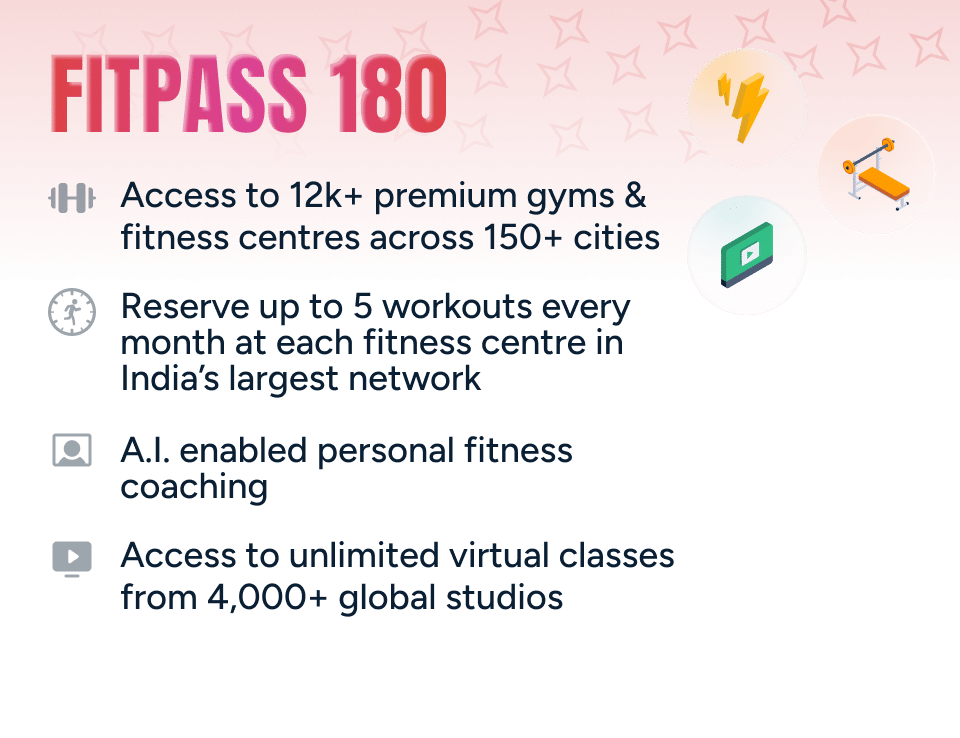
FITPASS gives you gym access, AI personal training, home workouts, nutrition support and health services in one membership





Put Your Health Insights Into Action
Achieve your goals with one fitness membership.