Loading...
loading...

Absolutely. Yoga at your desk, paired with deep breathing, helps calm the mind, release tension, and improve your mood during busy hours.
Simple moves like shoulder rolls, neck stretches, seated leg lifts, and wrist stretches are great. They can be done anytime and help reduce stress and stiffness.
Yes. Micro-workouts at the office may be short, but they boost endorphins, improve focus, and lower stress effectively.
Use movement breaks at work, walking meetings, and lunchtime fitness routines. Even 5-minute stretches or walks can make a big difference.

Table of Contents
In today’s fast-paced world, work stress is almost a given. Tight deadlines, endless meetings, and packed schedules often leave little room for physical activity. However, staying active isn’t just about fitness—it’s one of the best ways to manage stress effectively. Incorporating movement into your workday can help clear your mind, boost energy levels, and improve overall well-being.
This blog will show you how you can use simple movements and smart habits to stay active and lead a more balanced life, even with a hectic work schedule.
Work stress can build up fast. Without a release, it can lead to headaches, fatigue, anxiety, and even burnout. The good news? You can dismiss that stress with physical activity.
Staying active helps your body produce endorphins—natural mood boosters. Whether it’s a walk around the office or stretching at your desk, movement can improve your focus and reduce tension. Even a few minutes can make a big difference.
Making small changes to your routine can transform how you handle your day. Let’s look at simple yet effective ways to manage stress through an active lifestyle.
Having an active workout schedule doesn’t mean you need to run a marathon in the middle of the day. It simply means finding moments to move, no matter how small. These small activities can reduce stress by breaking up long hours of sitting and helping your body reset.
Studies show that professionals who include physical activity for stress in their day are more focused, productive, and positive. Movement keeps your body energised and your mind clear.
Now let’s explore practical ways to move more during your workday without disrupting your tasks.

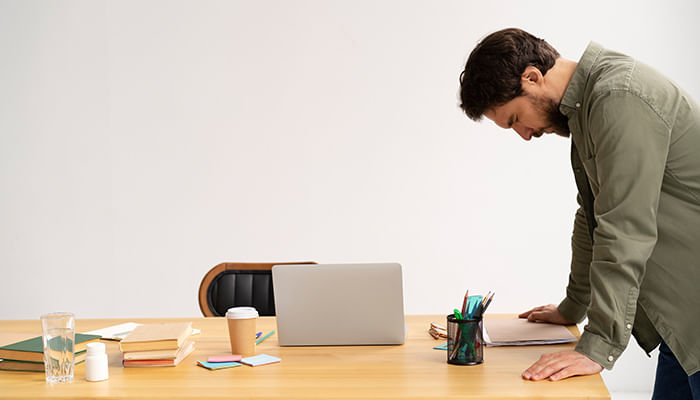
You don’t need a gym to get moving. Desk exercises are quick and effective. They’re perfect for busy professionals who want to stay active without leaving the desk.
Here are a few to try:
These quick de-stress exercises take only a minute or two but can bring instant relief.
Micro-wokouts are perfect for busy schedules. These short bursts of activity, lasting just 5–10 minutes, can be just as effective as longer workouts for stress reduction.
Try these mini sessions:
These small efforts add up and can keep you energised throughout the day. They’re easy to fit in and great for exercise for busy professionals.
Sitting for long periods can make your body stiff and your mind tired. Taking stretch breaks for stress helps improve blood flow and ease muscle tension.
Set a timer to stretch every hour. You can do:
These movements keep your body flexible and your mind sharp. Make them part of your workplace stress management plan.

One great idea is to replace sitting meetings with walking ones. The benefits of walking meetings include improved creativity, better communication, and lower stress.
Walking while discussing work keeps your body active and your brain alert. It’s a smart way to add physical activity for stress relief without needing extra time.
If weather or location doesn’t allow a walk outside, try pacing indoors during phone calls.
Use your lunch break to refresh both your body and mind. Lunchtime fitness routines can include:
You don’t need a full workout. A little movement during lunch helps you return to work with better focus and energy. It’s an excellent strategy for fitness during the workday.
Yoga at your desk is one of the most effective ways to stay calm during stressful work hours. You don’t need a mat — just a chair and a few minutes.
Try this:
These gentle movements and breathing, and movement techniques help you stay grounded. You’ll feel calmer, clearer, and ready to handle the rest of your day.
How you start your day matters. Using active commute ideas can reduce morning stress and increase your energy for the day ahead.
Instead of driving:
These small choices help build an active lifestyle for busy people and reduce tension even before work begins.

Workplaces are slowly embracing wellness, and it’s time to join in. Use these corporate wellness tips to build healthy habits:
Promoting activity in the workplace isn’t just good for you — it creates a healthier and happier work culture for everyone.
Even with the busiest schedule, try to set aside time for stress-busting workouts during the week. These could be:
These sessions release built-up stress and improve your physical and mental health. Regular workouts outside work hours also make it easier to handle day-to-day stress better.
A single walk or stretch break helps, but long-term results come from consistency. Make movement part of your daily routine. Over time, your body becomes stronger, your mind clearer, and your mood more stable.
Combine all the tips in this blog — from movement breaks at work to full workouts — and build a lifestyle that supports your well-being. You don’t need to change everything at once. Start small and grow from there.
When you stay active, you gain control over your stress and your schedule, not the other way around.
Staying active isn’t about having more time — it’s about using time smartly. With just a few minutes here and there, you can fight off stress and feel more energised throughout the day. The more you move, the better you’ll feel, both physically and mentally.
So the next time stress creeps in during your workday, take a stretch, go for a quick walk, or try a breathing exercise. These small habits help you stay active, stay sane, and stay strong.
If you’re ready to stay active for stress relief, start small and keep it consistent. Your body — and your mind — will thank you for it.